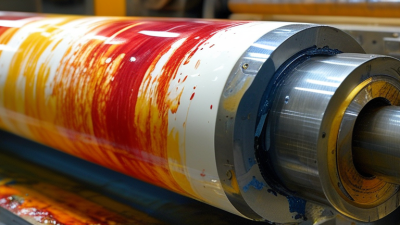
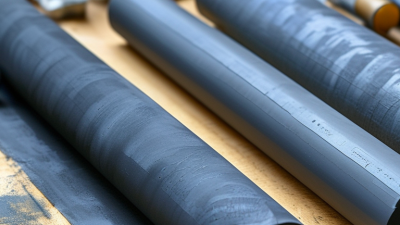
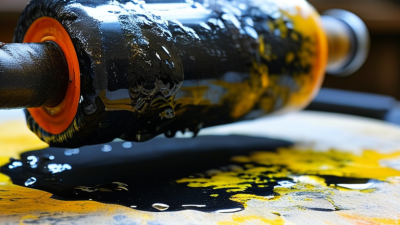
Picking the right Ink Mixing Roller in 2026? It’s not just about price tags or roller diameter anymore. Today’s print shops deal with water-based, solvent-based, UV-curable, and high-pigment inks, and each one behaves differently when you throw speed, pressure, temperature, and surface texture into the mix. A roller that runs like a dream on a narrow-web press might really struggle on a heavy-duty flexographic line.
As Dr. Elena Marquez, a printing-ink application specialist, puts it, “The best roller creates stable ink movement without forcing the ink to behave unnaturally.” That idea really shows up when operators look for a clean, even film across the roller. They should also keep an eye out for foam, streaks, pigment settling, and unexpected heat—small changes can point to bigger process problems. Sure, a hard roller might last longer, but it can also feel less forgiving on delicate equipment. A softer compound may give better contact, though it can wear out faster in continuous production.
Material compatibility is another thing you can’t skip. EPDM, polyurethane, silicone, and rubber compounds each offer different resistance levels. Solvent exposure, cleaning chemicals, and drying temperatures can all shift performance over time. So check the ink supplier’s technical data, then test the roller under real production conditions. Lab results help, but they never capture every factory variable. Yeah, that’s the uncomfortable part.
Honestly, a perfect choice rarely exists. During trials, record roller speed, pressure, cleaning intervals, and how the ink behaves. Compare results after several shifts—not just right after installation. That kind of practical evidence will help you make a safer, more reliable Ink Mixing Roller decision for 2026.
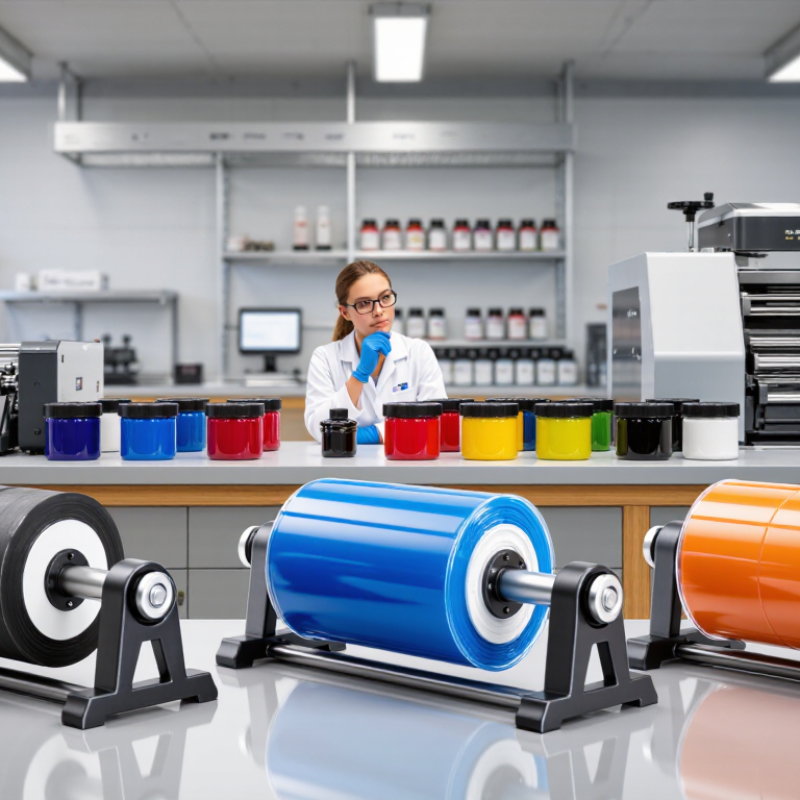
An Ink Roller is a hand-operated tool that spreads and blends printing ink across a smooth surface. It usually has a cylindrical core, a resilient outer layer, and a handle for controlled movement. During rolling, the surface gathers ink, distributes it, and repeatedly folds the mixture across the plate. This action helps reduce streaks, dry pockets, and uneven pigment concentration.
Pressure matters. Too much force can create thin areas and push ink beyond the working zone. Too little pressure may leave visible gaps. Experienced operators often use several light passes instead of one heavy pass. The roller’s width should match the plate size, while its hardness should suit the ink and surface. Softer rollers can cover slight texture, but they may hold too much ink.
Material compatibility also affects performance. Some inks clean easily, while others require careful handling and suitable cleaning fluids. A roller that feels smooth at first may develop swelling, cracks, or a sticky surface later. That is easy to overlook. I would check the roller after each session, especially around the edges and handle connection. The best choice is not always the most expensive one. It is the roller that provides stable coverage, comfortable control, and predictable cleaning for your actual printing routine.
Ink mixing rollers vary by workload, ink viscosity, and required consistency. The main types include hand-operated rubber rollers, motorized mixing rollers, and dual-roller systems. Rubber rollers suit small batches and laboratory checks. They provide direct control, but operators may create uneven pressure. Motorized rollers deliver steadier speed for repeated production. Dual-roller systems improve dispersion by passing ink through a controlled gap. Ceramic or steel anilox rollers are different. They meter ink into cells rather than mixing it deeply.
Smithers’ 2024 printing industry outlook identifies packaging as a major driver of printing demand through 2028. This growth increases pressure for repeatable ink volume and stable color. A 2023 report from Grand View Research also valued the global printing inks market at more than 20 billion US dollars. These figures do not make every roller suitable. A narrow-gap steel roller may handle high-viscosity ink, while a softer rubber surface protects delicate substrates. The Ink And Roller relationship matters. Surface hardness, roller diameter, and cleaning access can change results.
Tips: Test a small batch first. Measure viscosity before mixing. Watch the ink trail behind the roller. A cloudy trail may indicate weak dispersion. I once assumed faster rotation meant better mixing. It did not. Heat increased, and the color shifted slightly. Record speed, pressure, and mixing time, then adjust one factor at a time. Always compare the roller’s material with the ink’s solvent and curing process.
| Ink Mixing Roller Type | Typical Roller Arrangement | Typical Working Width | Typical Speed Range | Typical Gap or Adjustment | Suitable Batch Size | Best-Suited Ink Applications | Main Advantages | Important Limitations |
|---|---|---|---|---|---|---|---|---|
| Manual Hand Ink Roller | Single roller with a hand-operated frame or handle | 100–300 mm | Manual operation; approximately 20–80 rpm equivalent | Usually fixed or manually controlled contact pressure | 10–500 g | Small proofing batches, screen-printing ink, craft and educational work | Low purchase cost, simple operation, easy cleaning and good portability | Limited shear, low repeatability and unsuitable for high-volume production |
| Two-Roll Ink Mill | Two parallel rollers rotating at different speeds | 150–600 mm | 10–150 rpm, depending on roller diameter and process | Approximately 0.05–5 mm, usually mechanically adjustable | 0.1–10 kg | Viscous paste inks, offset ink development, pigment dispersion and laboratory trials | Provides controlled shear and friction; relatively easy to inspect during mixing | Requires careful nip safety control and may produce more heat than low-shear mixers |
| Three-Roll Ink Mill | Three rollers with progressively higher surface speeds | 100–400 mm | 20–300 rpm for the fastest roller | Approximately 0.01–1 mm, with fine gap control | 0.05–5 kg | High-quality offset, conductive, ceramic, screen and specialty pigment inks | High dispersion quality, repeatable processing and effective deagglomeration | Higher cost, more complex cleaning and greater risk of overheating or roller damage |
| Laboratory Small-Batch Roller Mill | Compact two- or three-roll configuration with laboratory controls | 50–200 mm | 10–250 rpm | Approximately 0.01–3 mm, depending on configuration | 5–500 g | Formulation development, color matching, quality control and research | Uses little material, supports repeatable experiments and requires limited floor space | Lower throughput and less representative of full-scale production conditions |
| Electric Ink Mixing Roller | Motor-driven single or dual roller with powered rotation | 150–500 mm | 20–200 rpm, often variable-speed | Approximately 0.1–5 mm or pressure-controlled contact | 0.2–8 kg | General ink blending, proofing, viscosity adjustment and repeatable small production | More consistent speed and mixing time than manual rollers; moderate operating cost | Needs electrical protection, guarding and temperature monitoring for heat-sensitive inks |
| Cooling-Roller Ink Mill | Two- or three-roll mill with internally cooled rollers | 150–600 mm | 20–250 rpm | Approximately 0.01–3 mm | 0.1–10 kg | Heat-sensitive pigment dispersions, UV-curable systems and specialty inks | Helps control temperature, viscosity and evaporation during high-shear processing | Requires a cooling circuit and additional maintenance; higher installation cost |
| Production-Scale Roller Mixer | Heavy-duty two- or three-roll system with powered feed and safety controls | 400–1,200 mm | 10–180 rpm | Approximately 0.05–5 mm | 5–100 kg per batch, depending on formulation and roller width | Continuous or semi-continuous production of high-viscosity printing inks | High throughput, robust construction and better process consistency | Large footprint, higher energy use, more demanding cleaning and operator training |
Matching the roller to your ink begins with viscosity, not roller size. Thick inks need a firm roller that transfers steady pressure without slipping. Fluid inks usually perform better with a softer surface and controlled speed. Start with the ink.
Roller hardness also affects mixing quality. A harder roller creates stronger shear and can disperse heavy pigments more efficiently. However, excessive shear may warm the ink or introduce unwanted air. Water-based inks often need clean, compatible materials and moderate pressure. Solvent-based formulations require careful material selection to prevent swelling or surface damage. Always check the roller’s resistance before extended use.
Application conditions matter just as much. A narrow roller suits small trays and detailed work, while a wider roller spreads pressure more evenly. For fast production, choose a balanced diameter and avoid excessive rotational speed. I have seen operators increase speed when mixing looked uneven, but the result was often more foam. Slower adjustment worked better. Test before production.
Use a small sample to compare coverage, temperature, and consistency after mixing. Record the roller hardness, pressure, speed, and mixing time. These notes make repeat results easier. Still, the first test may mislead you. Ambient temperature, pigment load, and storage time can change the ink’s behavior. Inspect the roller after cleaning for swelling, cuts, or surface glazing. Small damage can alter transfer quality before it becomes obvious.
Material compatibility should guide your choice of a Blitz Ink Roller . Nitrile rubber suits many oil-based inks, while EPDM generally handles water-based formulas better. Polyurethane offers strong abrasion resistance during repeated laboratory mixing. Silicone can release ink easily, but its low surface energy may reduce traction. Check the ink’s solvents, pigments, curing agents, and cleaning chemicals before selecting the compound.
Surface texture matters just as much. A smooth, polished roller supports easier cleaning and more consistent ink transfer. A fine micro-texture can improve grip when the ink becomes viscous. However, excessive roughness may trap pigment and create color contamination. In practical testing, measure hardness, surface roughness, diameter, and runout. A roller that feels comfortable may still produce uneven shear. I still distrust “perfect” rollers on day one.
The 2024 Smithers report, The Future of Printing Inks to 2028, identifies continued growth in packaging and digital print applications, increasing demands for stable color and process control. Those demands make repeatable roller surfaces more important. ISO 12647-2 also emphasizes controlled print conditions and measurable color consistency. Therefore, request technical data for Shore hardness, solvent resistance, temperature limits, and surface finish. Test three cycles: fresh ink, aged ink, and post-cleaning performance. The last test is often forgotten. That can be costly.
Choosing an ink mixing roller starts with the batch, not the machine frame. Measure the vessel’s inside diameter, working depth, and usable volume. A roller that is too short leaves unmixed ink near the walls. One that is too long may scrape the vessel or strain the drive system.
For small batches, select a roller diameter that creates steady circulation without splashing. A narrow roller often suits containers below 10 liters. Larger batches need more contact area and stronger torque. The working capacity should usually remain below the vessel’s maximum volume. This allows space for movement and prevents overflow during startup.
In practical testing, I check the ink after five minutes, then inspect the bottom and corners. Color streaks or thick deposits show poor circulation. The Ink Rubber Roller should match the ink’s viscosity, temperature, and solids content. Soft materials may mark easily, while harder surfaces can transfer excessive heat. Material compatibility matters.
A first estimate is rarely perfect. That is normal. Adjust the roller width, speed, or immersion depth in small steps. Excessive speed can create air bubbles and uneven color. Insufficient speed wastes energy and extends mixing time. Record each trial, including batch weight and mixing duration. Those simple notes often reveal more than a theoretical capacity chart.
Safety begins with the roller’s moving parts, not its color or price. Choose a guarded design with stable bearings and an accessible emergency stop. OSHA’s Control of Hazardous Energy standard, 29 CFR 1910.147, requires isolation before cleaning or maintenance. Never wipe a rotating roller. That shortcut can become a serious injury.
Cleaning compatibility matters just as much. Check the ink’s Safety Data Sheet before selecting solvents, gloves, or absorbent pads. The NIOSH Pocket Guide lists a recommended exposure limit of 250 ppm for acetone and 400 ppm for isopropyl alcohol, measured over an eight-hour workday.
Use local ventilation, closed containers, and splash protection. A strong smell is not a reliable safety test. I have seen operators trust their noses too much.
Maintenance should be simple enough to repeat every shift. Inspect the roller surface for dried ink, scoring, loosened fasteners, and uneven rotation. Remove residue with a compatible tool, not a sharp blade that damages the surface.
NIOSH reports that about 22 million U.S. workers face potentially harmful workplace noise annually. Check motor noise and vibration, especially near guards.
ISO 12100 supports risk assessment around machinery, but paperwork cannot replace observation. A clean roller can still hide a worn bearing.
Common options include hand-operated rubber rollers, motorized rollers, and dual-roller systems. Rubber rollers suit small batches and laboratory checks. Motorized rollers provide steadier speed. Dual rollers improve dispersion through a controlled gap.
A hand-operated rubber roller offers direct control for small batches. However, uneven hand pressure may create inconsistent mixing. Test a small batch first.
Choose a motorized roller for repeated production and steadier operating speed. Monitor heat, pressure, and rotation time. Faster rotation is not always better.
Usually, no. Anilox rollers meter ink through small cells rather than mixing it deeply. Select them for controlled ink delivery, not broad dispersion.
High-viscosity ink may need a narrow-gap steel roller. Softer rubber surfaces can protect delicate substrates. Measure viscosity before mixing.
Watch the ink trail behind the roller. A cloudy trail may suggest poor dispersion. Color changes can also reveal unstable mixing.
Stop and isolate the machine before cleaning or maintenance. Never wipe a rotating roller. Use compatible solvents, gloves, ventilation, and splash protection.
Inspect dried ink, surface scoring, loose fasteners, and uneven rotation. Check unusual motor noise and vibration near guards. A clean roller can still hide a worn bearing.
Choosing the right Ink Mixing Roller is essential for achieving consistent color, smooth texture, and efficient production. This guide explains what an Ink Mixing Roller is, how its rotating surface distributes ink, and the main roller types available for different mixing tasks. It also shows how to match the roller with ink viscosity, volume, application method, and required mixing speed. Understanding roller materials, surface patterns, hardness, and resistance to chemicals can help improve performance and reduce contamination.
The guide also covers how to select the correct roller diameter, length, and working capacity for your equipment and production needs. Practical advice on safe operation, cleaning, storage, and routine maintenance helps extend roller life and maintain stable results. By considering ink properties, workload, equipment compatibility, and maintenance requirements together, users can choose a reliable Ink Mixing Roller that supports efficient, uniform, and repeatable ink preparation.