Looking ahead to 2026, the global market for Ink Rubber Rollers is expected to see pretty significant growth, mainly thanks to ongoing advances in printing tech. According to reports from Smithers Pira, demand for these crucial components is predicted to increase by about 8% each year. That’s a clear sign of just how much industries like packaging and textiles are craving top-notch printing solutions.
Figuring out which Ink Rubber Roller to pick can be a real head-scratcher, honestly. Things like the quality of the materials and the roller's design can pretty much make or break your print quality and how efficiently things run. Staying on top of innovations in elastomer materials is also super important because it can really boost performance. But let’s be real— not all products are up to par, and that can lead to inconsistent results. Big players like Flint Group and Siegwerk are always pushing the envelope with their rollers, though, but typically, their top-tier stuff isn’t really accessible for smaller suppliers.
Getting a handle on the market situation is key if you want to source the best Ink Rubber Roller. It’s often a tricky balancing act between cost and quality. Suppliers need to do their homework—reading reviews, doing research—so they can make smarter choices. And with so many manufacturers out there, telling the trustworthy from the not-so-reliable is more important than ever if you want to keep your supply chain smooth and dependable.
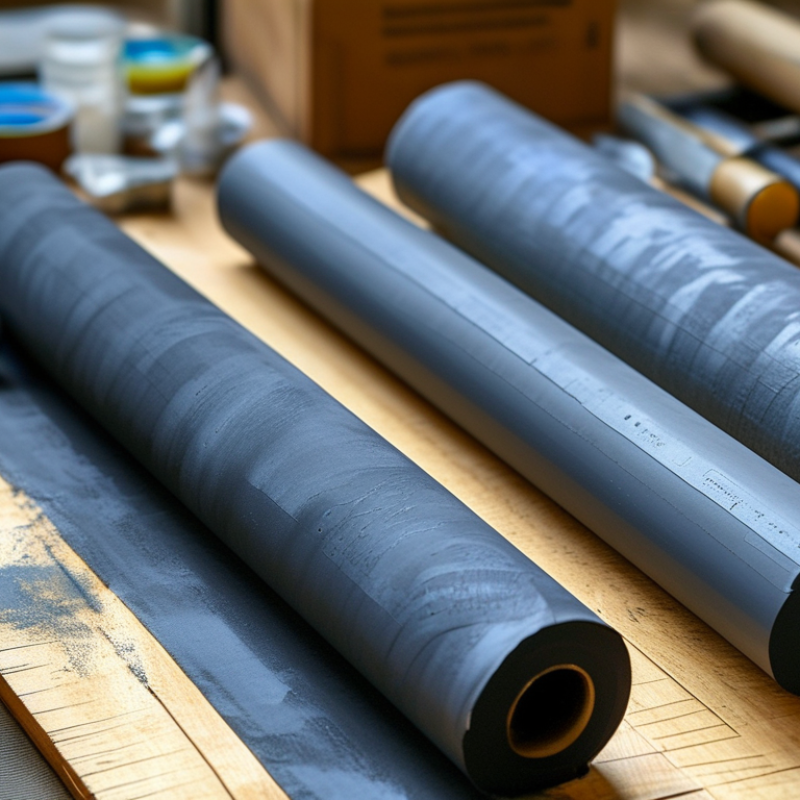
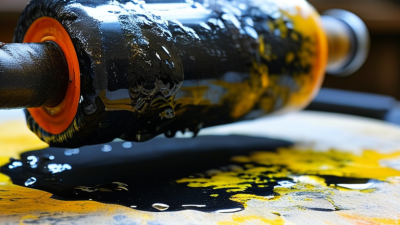
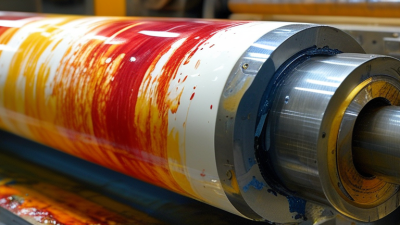
Ink rubber rollers play a crucial role in the printing process. They help transfer ink evenly onto surfaces, ensuring consistent print quality. The right roller can greatly affect the intensity and clarity of the colors in your prints. Therefore, selecting high-quality ink rubber rollers is vital for any printing operation.
Consider the materials used to make the rollers. Different materials perform uniquely, and their durability is critical. A rubber roller must withstand heat and pressure during printing. Users often overlook the importance of maintaining roller texture. A worn-out surface can lead to uneven ink distribution and ultimately impact the final product.
Regular maintenance can extend the life of ink rubber rollers. Cleaning the rollers properly will keep them in good shape. Inspecting the rollers for cracks or chips is essential. Even small imperfections can create significant issues during printing. Therefore, make it a habit to check the condition of your rollers frequently. Quality investment in these rollers will pay off in the long run, enhancing your printing capabilities.
When selecting ink rubber rollers, understanding their material composition is crucial. Different materials can affect printing quality and durability. Look for rollers made from high-quality rubber. This ensures better ink transfer and reduces wear over time.
Another factor is the hardness of the rubber. Softer rollers often provide better ink release, while harder rollers can withstand higher temperatures and pressures. It’s essential to assess your specific printing needs to find the right balance.
Moreover, consider the compatibility of the ink rubber roller with your printing press. Mismatched rollers can lead to operational issues. Testing different options can enhance overall performance. Keep in mind that not every roller is suitable for every application. Finding the right one may involve trial and error. Understanding these factors strengthens your purchasing decisions and enhances your printing processes.
| Dimension | Material | Durometer (Shore A) | Ink Compatibility | Price Range (USD) |
|---|---|---|---|---|
| 10 x 2 inches | Natural Rubber | 30 | Solvent-based inks | 50-70 |
| 12 x 2.5 inches | EPDM Rubber | 40 | Water-based inks | 60-90 |
| 8 x 1.5 inches | Nitrile Rubber | 50 | Oil-based inks | 70-100 |
| 14 x 3 inches | Silicone | 60 | Hybrid inks | 80-120 |
| 16 x 4 inches | Vulcanized Rubber | 70 | Eco-friendly inks | 90-140 |
The ink rubber rollers are essential components in various printing processes. Understanding the types available can significantly impact efficiency and print quality. Common types include soft rollers, hard rollers, and foam rollers. Soft rollers are ideal for even ink distribution, while hard rollers excel in precise applications. Foam rollers offer versatility and are excellent for specialty inks.
Industry reports indicate that the demand for ink rubber rollers will grow by 5% annually through 2026. Suppliers must stay updated to meet this demand. Market trends show that eco-friendly materials are gaining traction. Suppliers should consider sourcing rollers made from sustainable materials to appeal to environmentally-conscious clients.
When choosing Ink Rollers, assess their compatibility with your printing machines. Ensure that they fit the specific requirements of your production line. It's also important to regularly evaluate the performance of your ink rollers to identify any wear and tear. Failing to do so could lead to lower print quality and increased operational costs. Taking these considerations into account will help suppliers make informed decisions and enhance customer satisfaction.
When choosing ink rubber rollers, material selection is critical. Most manufacturers use synthetic rubber, known for its durability and resilience. This material offers excellent wear resistance, making it ideal for various printing applications. Another important option is neoprene, which provides good chemical resistance. Neoprene is often favored for its flexibility under different temperatures.
Additionally, textile-backed rubber rollers are an interesting choice. They provide enhanced control over ink distribution. However, they may not be suitable for all environments. Evaluating the specific needs of your printing process could lead to better performance. The choice of material greatly impacts the ink’s adhesion and transfer efficiency.
It's essential to reflect on the trade-offs involved. While some materials offer longevity, they may not yield the best print quality. Test various combinations to find the right balance between durability and print flawless-ness. Understanding the characteristics of each material can lead to better choices in your Ink And Roller procurement process.
When selecting ink rubber rollers, understanding top brands and suppliers is essential. The market is filled with options, each claiming to provide superior quality. However, not every supplier meets industry standards. It's crucial to conduct thorough research to find companies that specialize in innovative solutions. Features like durability, compatibility with various printing processes, and cost-effectiveness are key considerations.
Blitz Ink Roller has gained attention for its performance and reliability. Suppliers often highlight their efficiency in maintaining consistent print quality. It’s important to compare suppliers based on their customer service and technical support. Quality assurance processes and certifications should be examined.
While many brands showcase excellent products, some may fall short. User reviews can offer insights into potential issues. Suppliers sometimes lack clear communication regarding product specifications. A supplier's ability to adapt to changing market demands can influence overall satisfaction. Choosing wisely will impact printing operations significantly.
Proper maintenance of ink rubber rollers is crucial for ensuring consistent print quality. Regular cleaning prevents ink build-up. A simple solution is to use a soft cloth with a mild solvent. This method effectively removes residues without damaging the rubber. However, some users over-clean, which can wear down the roller faster. Striking a balance is essential.
Inspecting rollers regularly can help identify signs of damage. Look for cracks or surface irregularities. These issues can impact print accuracy. If you notice significant wear, consider the lifespan of the roller. Not all rollers last the same time, so understanding this variability is key. Neglecting maintenance can lead to costly replacements.
Storing rollers correctly also matters. Keep them in a cool, dry place away from direct sunlight. Extreme temperatures can affect their performance. Many users underestimate the effect of environmental conditions. It's vital to adjust storage practices based on local climate. Taking these simple steps can enhance roller longevity and performance.
As we look toward 2026, the ink rubber roller industry is on the cusp of innovation. Advances in materials and manufacturing processes are driving changes in design and efficiency. New types of polymers offer improved durability and flexibility, which is essential for modern printing demands. These developments enhance print quality, ensuring vibrant colors and sharp details.
Sustainability is shaping the future of ink rubbers. Manufacturers are increasingly opting for eco-friendly materials. This shift not only aligns with global environmental goals but also appeals to conscious consumers. However, the challenge remains: balancing performance and sustainability can be complex. The industry must navigate trade-offs to meet diverse client requirements.
Integrating technology into roller manufacturing is another significant trend. Smart rollers with sensor technology allow for real-time monitoring. This capability can optimize performance and reduce waste. But, as with all new technologies, adaptation can be slow. Companies may grapple with the costs of upgrading equipment. The path ahead is filled with opportunities, yet it demands careful consideration and strategic planning.
: Ink rubber rollers transfer ink evenly, ensuring consistent print quality and color clarity.
Different materials affect durability and performance, influencing overall printing results.
Common materials include synthetic rubber and neoprene, each offering unique benefits.
Regular maintenance extends roller life, ensuring better performance and print quality.
Check for cracks, chips, or surface wear, as even small imperfections can cause problems.
Yes, material choice affects ink adhesion and can impact the quality of the final print.
Some durable materials may not provide the best print quality, leading to trade-offs.
Proper cleaning maintains roller texture, leading to better ink distribution during printing.
Testing different material combinations can help achieve a balance between durability and print quality.
Neglecting maintenance can lead to uneven prints and negatively impact your printing operation.
The article titled "2026 Top Ink Rubber Roller Buying Guide for Global Suppliers" provides a comprehensive overview of ink rubber rollers, highlighting their critical role in the printing industry. It delves into key factors to consider when selecting these rollers, such as durability, compatibility with ink types, and ease of maintenance. The piece categorizes the various types of ink rubber rollers available in the market and explores the materials commonly used in their manufacturing, emphasizing the importance of quality materials for optimal performance.
Additionally, the article outlines maintenance and care tips to extend the lifespan of ink rubber rollers, ensuring they function effectively over time. It also offers insights into future trends in technology and design within the ink rubber roller sector, helping suppliers stay informed about advancements that could enhance printing efficiency and quality. This guide serves as an essential resource for suppliers looking to make informed purchasing decisions in the evolving landscape of printing technology.