Leave Your Message
Picking out China’s top Offset Press Machine manufacturers isn’t just about checking prices or watching glossy factory videos. Honestly, buyers really need to see what's happening in real life—like in the pressroom. A trustworthy supplier should be happy to show you their running machines, give you printed samples, share inspection records, and walk you through their service procedures. Don’t be shy—ask to observe things like registration accuracy, ink consistency, paper handling, and waste levels during a live demo. Those small details make all the difference. And hey, a clean control panel and stable feeding process? Those are definitely good signs.
Frank Romano, a well-respected expert in the printing world and a former professor at Rochester Institute of Technology, once said, “The future of print isn’t print versus digital; it’s print *and* digital.” Honestly, that’s still pretty spot-on today, especially when you’re choosing equipment. A modern Offset Press Machine should be able to handle efficient commercial printing, but also play nicely with digital workflows. Things like remote diagnostics, operator training, easy access to spare parts, and software compatibility are equally important.
When it comes to Chinese manufacturers, some names like Shanghai Guanghua Printing Machinery, Beiren Printing Machinery, and Weigang Printing Machinery tend to catch the eye of overseas buyers. But, here's the thing—just reputation doesn’t guarantee you'll get what you need. A factory might be great with engineering but not so hot on supporting customers overseas. Or, they might offer very attractive prices but not much room for customization. And trust me, those issues often become obvious after the machine’s been installed.
This guide walks you through key factors like manufacturing experience, press setup, automation levels, quality control measures, export track record, and after-sales support. It also covers practical stuff—think delivery protection, response times for spare parts, and technical support. Nobody’s perfect, so don’t just take things at face value. Always double-check claims with references, factory visits, and signed specs. Remember, a cheaper machine might save some cash upfront but could end up costing you a lot more if it stops working when you need it most. Taking your time and doing thorough research is the way to go.
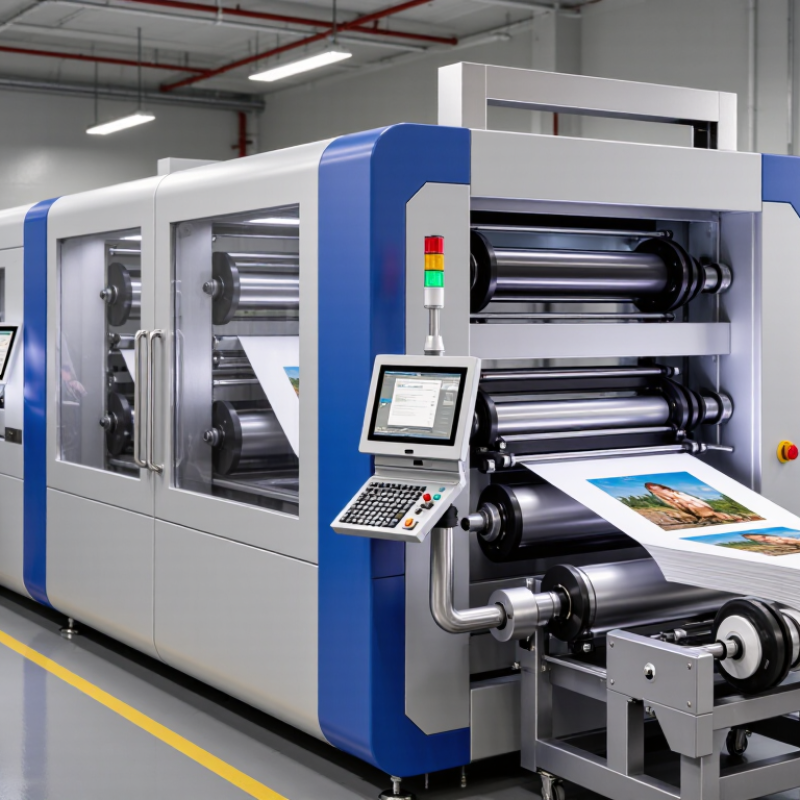
A reliable Offset Printing Press Machine manufacturer in China should show more than polished factory photographs. Buyers need evidence from production floors, test records, and completed installations. During a factory visit, inspect machining accuracy, assembly cleanliness, and electrical cabinet labeling. Ask how registration is checked after several hours of running. Stable output matters more than impressive speed. A dependable supplier explains both strengths and limitations.
Professional manufacturers provide technical drawings, material specifications, and documented quality checkpoints. They should test paper feeding, ink distribution, drying performance, and waste levels before shipment. Request printed samples on the paper you actually use. Small details matter. Check dot gain, color consistency, plate changing time, and operator access. Clear training, spare-parts planning, and responsive engineering support reveal practical experience. Certification helps, but it cannot replace machine-level testing.
Reliability also depends on honest communication. A responsible manufacturer states realistic production capacity, delivery conditions, warranty coverage, and service response times. Ask for references from comparable print environments, not only large showcase factories. Review the contract carefully, especially acceptance standards and replacement procedures. No factory is perfect. Even strong suppliers may miss a detail, so leave room for inspection and correction. My concern would be vague promises, changing specifications, or pressure to pay before technical questions are answered. A trustworthy partner welcomes difficult questions and records each agreed requirement.
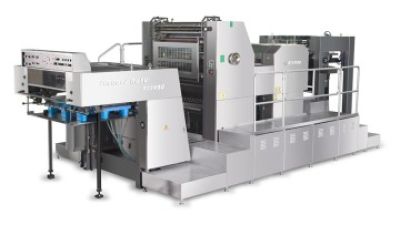
Two-sided single-color offset printing presses continue to attract attention in the commercial and industrial printing sectors because they combine efficient sheet handling with dependable image reproduction. Market research indicates that buyers increasingly value equipment capable of supporting shorter production cycles, consistent registration, simpler operation, and flexible applications. These priorities are especially relevant for businesses producing forms, stationery, manuals, packaging inserts, and other medium-volume printed materials.
This machine uses a “hard-soft pressing” method, in which the paper passes through the nip between the impression cylinder and the blanket cylinder. The controlled contact helps improve print quality while supporting stable paper transfer. Pneumatically controlled ink-water rubber rollers can be raised or lowered easily, making setup and daily operation more convenient. This design also helps operators manage ink and dampening functions with less manual effort during production changes.
For accurate registration, all upper plate cylinders are fitted with axial and radial micro-adjustment devices. Operators can fine-tune the position of the upper plate cylinders without stopping the machine, helping reduce downtime and material waste. Combined with two-sided single-color printing capability, these features support practical workflow efficiency, consistent output, and responsive adjustment for changing job requirements.
Look for documented quality procedures and traceable inspections. A reliable factory should measure frame flatness, roller hardness, cylinder alignment, and registration accuracy. Ask for calibration dates and tolerance ranges. Photographs are not enough.
The process should include incoming, in-process, and final inspections. Inspectors may check gear backlash, electrical insulation, vibration, and ink-water balance. Request a live print trial on suitable paper and ink. Test data matters more than “tested.”
Request sample sheets at different production speeds. Inspect fine text, solid coverage, color registration, and startup waste. Look closely at small lettering and large dark areas. The sheets reveal weaknesses.
Request a line-by-line quotation for the press, installation, training, consumables, and initial supplies. Compare equal specifications, including sheet size, speed, automation, and energy use. Also include shipping and commissioning costs. A cheap quote may mislead.
Ask which parts are stocked and which parts are custom-made. Confirm the delivery date, packing method, inspection process, and delay remedy in writing. Electrical components may take longer than expected. Crated rollers need moisture protection, not thin plastic alone.
Check whether the warranty covers labor, travel, control boards, rollers, and software updates. Confirm service response times and named technical contacts. Ask for troubleshooting guides and maintenance schedules. Vague promises create problems later.
Request references from printers using similar paper types and production volumes. Ask about downtime, spare-part availability, training, and technician response speed. Remote diagnosis can shorten interruptions. Still, references may not tell everything.
Record paper sizes, color requirements, monthly volume, target speed, and registration accuracy. Decide whether a sheetfed or web configuration fits the workflow. Request technical drawings, energy data, and installation requirements. Unclear needs produce weak comparisons.
Include shipping, installation, commissioning, consumables, maintenance, software, training, and replacement parts. Request a sample print using your paper and ink conditions. Measure waste during startup and routine production. My judgment could still be wrong. Long-term performance is harder to prove.
Choosing a reliable Offset Press Machine manufacturer in China requires careful evaluation of production capability, technical expertise, quality consistency, and customer service. Reputable manufacturers should offer clear product information, stable manufacturing processes, strict quality control, and compliance with relevant industry standards. Buyers can compare sheet-fed, web, single-color, multi-color, and specialized offset machines according to printing volume, paper size, color requirements, automation level, and production efficiency. Important specifications include printing speed, maximum sheet format, plate compatibility, registration accuracy, drying performance, energy consumption, and ease of maintenance.
Before making a purchase, buyers should compare total pricing, customization costs, production lead times, installation services, warranty coverage, spare-parts availability, and after-sales technical support. It is also helpful to review factory qualifications, request detailed quotations, verify machine testing procedures, and communicate practical printing requirements in advance. A suitable Chinese manufacturer should provide transparent documentation, responsive communication, dependable delivery, and long-term service support, helping buyers achieve stable print quality and a reasonable return on investment.