Leave Your Message
0%

Picking the right Commercial Offset Press from China isn't just about comparing price tags. You need a press that actually fits your paper sizes, monthly volume, ink needs, and delivery schedule. If you're a small commercial printer, fast setup and low waste might matter most. If you're running high volume, you'll probably care more about stable registration, automated plate changing, and reliable color control.

This guide looks at Chinese Commercial Offset Press options through a practical buying lens. We're talking print quality, production speed, feeder performance, drying systems, maintenance access, and operator training. The press should give you clean text, smooth solids, and consistent color over long runs. On a factory visit, buyers should check paper feeding, gripper movement, blanket condition, and registration accuracy. And yes—ask for a live test with your own paper and files.

Service support can decide the real value of a machine. Ask about spare parts, response times, software updates, installation, and technical training. A cheap purchase price can get expensive fast when downtime interrupts urgent orders. But brand reputation alone isn't enough either. Some lesser-known manufacturers may offer useful configurations and flexible support, though their long-term track record still needs careful checking. This is where our judgment may remain imperfect. Factory demos often show ideal conditions, not every production problem. So independent references, documented specs, and a few months of operating feedback deserve serious attention. The best choice isn't always the fastest press or the cheapest offer. It's the machine that performs consistently in your actual workshop.
What Is the Best Commercial Offset Press in China?

What Defines a Commercial Offset Press in China?

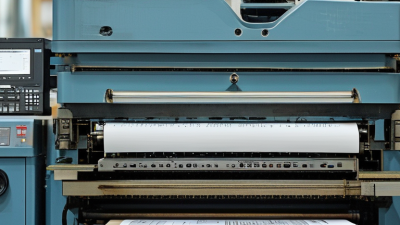
A commercial offset press in China is defined by more than production speed. It must deliver stable color, accurate registration, and economical output across long print runs. Most commercial systems use plates, blankets, and ink transfer to reproduce detailed images on paper. Sheet-fed models suit brochures, catalogs, packaging inserts, and premium marketing materials. Web presses often serve very high-volume newspaper or publication work.

In practical evaluations, I check paper compatibility, plate-changing time, drying performance, and maintenance access. A press may run quickly, yet waste paper during setup. That weakness matters. Operators also need clear controls, reliable sensors, and repeatable color calibration. Local technical support and spare-part availability affect production reliability in China. The best choice depends on job volume, paper types, image quality, and available operator skill. There is no perfect machine.

Tips: Request test sheets using your usual paper and ink coverage. Measure registration under continuous production, not only during a short demonstration. Ask for maintenance records and training details. Check noise, power use, and floor space before installation. A lower purchase price can hide higher setup waste. Review the decision with both operators and production managers. Their concerns may differ.

How Commercial Offset Presses Work

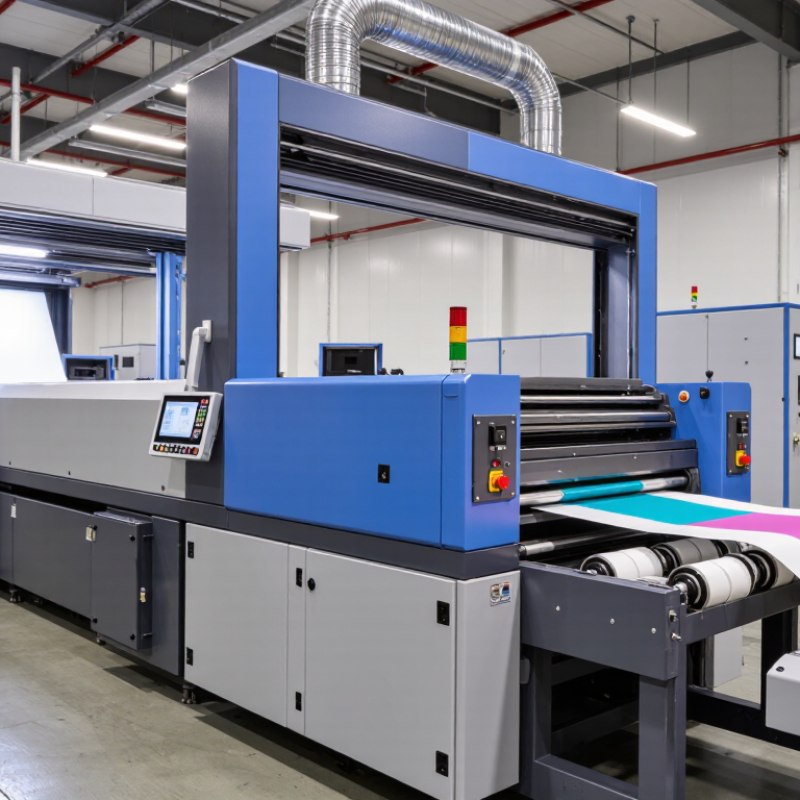
What Is the Best Commercial Offset Press in China? The answer begins with its working process. A Commercial Grade Offset Press transfers an image indirectly. The plate first receives the image. The blanket then carries it to the paper. This protects the plate and improves consistency across long runs.

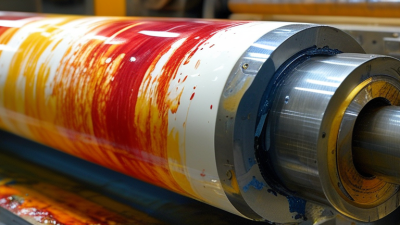
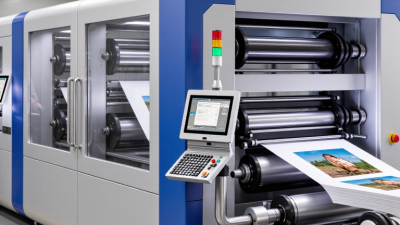
Inside the press, dampening solution keeps non-image areas clean. Ink rollers feed controlled ink onto image areas. The impression cylinder applies pressure against the blanket. For a four-color job, cyan, magenta, yellow, and black units work in sequence. Registration systems align each sheet, often within fractions of a millimeter. Operators still check test sheets under standard lighting. Tiny paper movement can change a portrait’s eye line.

Sheetfed presses suit brochures, catalogs, and premium cartons. Web offset presses use continuous paper and support faster, larger-volume production.

According to the 2024 drupa Global Trends report, 32% of printers described their economic situation as good, while 18% described it as poor. This pressure makes setup waste and downtime important purchasing factors.

Smithers estimates the global print market was worth about 850 billion US dollars in 2023, showing the scale of competitive demand.

A practical evaluation should include makeready time, color stability, energy use, paper range, and local technical support. I would not choose by speed alone. A fast press with unstable registration can create expensive reprints. That is where specifications sometimes fail in real workshops.

Key Types of Commercial Offset Presses Available in China

What Is the Best Commercial Offset Press in China?

China offers several commercial offset press types, and the right choice depends on paper, volume, and finishing needs. A Commercial Sheet Fed Offset Press suits brochures, books, cartons, and short-run marketing materials. It feeds pre-cut sheets, allowing accurate registration and flexible paper changes. A four-color model handles standard work efficiently. Six- and eight-color configurations reduce turnaround time for complex projects. Perfecting presses print both sides in one pass, which can lower labor and paper-turning delays.

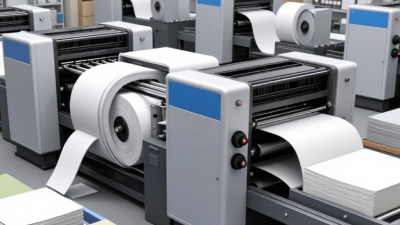
Web offset presses use continuous paper rolls. They fit newspapers, catalogs, and long-run publications with stable page formats. Their output becomes economical at high volumes, but setup waste can be significant. Heatset systems support coated paper and faster drying. Coldset systems suit uncoated stock, although image sharpness may vary. UV and LED-UV offset presses cure ink quickly, enabling printing on selected non-absorbent materials. Operators still need careful temperature control.

The 2024 drupa Global Trends report found that 55% of commercial printers reported higher sales, showing continued demand for efficient production. Smithers’ global printing market research also identifies packaging and digital integration as important growth areas. These figures do not make one press universally best. In practice, inspect feeder stability, plate-changing time, waste sheets, and service response. A press may promise speed. Its real performance can disappoint when operators lack training or maintenance discipline. Thin stocks may wrinkle, while heavy coverage can expose drying weaknesses. Test the actual paper before purchase.

Leading Chinese Manufacturers and Their Press Features

China’s leading commercial offset press manufacturers compete through automation, speed, and format flexibility. A Commercial Two Sided Offset Press can print both sides in one pass, reducing paper handling and registration risks. This matters for catalogs, brochures, and direct-mail work with tight delivery schedules.

Modern Chinese presses often offer four to eight color units, automatic plate changing, closed-loop color control, and infrared or UV drying options. Some models reach 15,000 sheets per hour, although real output depends on stock, ink coverage, and operator setup. Smithers’ The Future of Global Printing to 2028 identifies automation and shorter production runs as major investment drivers. That supports presses with fast makeready and limited paper waste. Not every high-speed machine performs equally well.

Energy use also deserves attention. The drupa Global Trends 2024 report shows that printers continue prioritizing efficiency, workflow automation, and cost control. Leading manufacturers respond with servo systems, centralized inspection, and remote diagnostics. I would inspect the control interface closely. A brilliant feature is useless if operators need excessive training. Buyers should test coated and uncoated stocks, measure color stability, and request maintenance data from comparable installations. Chinese suppliers can provide strong value, but service response, spare-part access, and operator training still require careful verification. A lower purchase price may become expensive when downtime is poorly measured.

How to Compare Press Quality, Speed, and Production Capacity

Choosing the best commercial offset press in China requires more than reading a speed figure. Some models list 18,000 sheets per hour. Real output depends on paper, ink coverage, and changeover time. During a factory test, inspect registration on fine text, solid ink density, and halftone detail. A calibrated densitometer and spectrophotometer can reveal problems that look invisible under ordinary lighting.

Press quality also appears in less dramatic details. Check feeder stability, plate mounting accuracy, blanket condition, and waste during startup. Ask whether operators can maintain consistent color after several hours. Paper curl, uneven pressure, and slow plate changes may become expensive production problems. The best inspection includes different paper weights, not only a perfect coated stock sample.

Production capacity should be measured through completed saleable sheets, not rated speed alone. Record makeready minutes, stoppages, cleaning intervals, and average uptime. A press running at 15,000 sheets per hour may outperform a faster machine with frequent interruptions. Review maintenance logs, operator training, spare-part access, and service response times. These factors affect delivery reliability. No comparison is perfectly clean. A short test can hide seasonal humidity issues or difficult substrates, so request repeated trials and question impressive numbers.

What Is the Best Commercial Offset Press in China? - How to Compare Press Quality, Speed, and Production Capacity

Press Category Typical Sheet or Web Format Typical Production Speed Practical Monthly Capacity Print Quality Potential Make-Ready Time Best-Fit Applications Main Limitations
Compact Sheetfed Offset Approximately 340 × 450 mm to 520 × 360 mm About 8,000–15,000 sheets per hour Approximately 1–4 million sheets High; suitable for commercial color work and short runs Typically 15–45 minutes, depending on job complexity Short-run brochures, flyers, stationery, and digital-to-offset work Lower sheet size and output limit for very large jobs
Medium-Format Sheetfed Offset Approximately 520 × 360 mm to 740 × 520 mm About 12,000–18,000 sheets per hour Approximately 3–8 million sheets Very high; strong color consistency and fine halftone reproduction Typically 20–60 minutes Catalogs, magazines, packaging inserts, and high-volume commercial printing Higher investment and operating skill requirements
Large-Format Sheetfed Offset Approximately 740 × 520 mm to 1,060 × 750 mm About 12,000–18,000 sheets per hour Approximately 4–10 million sheets Very high; efficient imposition and precise registration on large sheets Typically 25–75 minutes Large brochures, posters, folding cartons, and premium commercial work Requires larger floor space, skilled operators, and suitable finishing equipment
Heatset Web Offset Continuous web, commonly 500–1,000 mm web width About 30,000–60,000 impressions per hour Approximately 10–40 million impressions High; suitable for coated papers, magazines, catalogs, and advertising products Typically 45–120 minutes, including web and folder setup Long-run magazines, catalogs, inserts, and high-volume promotional material Less economical for short runs; higher energy use and setup complexity
Coldset Web Offset Continuous web, commonly 400–1,000 mm web width About 25,000–50,000 impressions per hour Approximately 15–50 million impressions Moderate to high; best on absorbent uncoated paper Typically 30–90 minutes Newspapers, directories, forms, and high-volume uncoated publications Limited gloss and color density on coated stock; requires long runs
UV or LED-UV Sheetfed Offset Approximately 520 × 360 mm to 740 × 520 mm About 10,000–18,000 sheets per hour Approximately 2–7 million sheets Very high; immediate curing supports sharp detail and strong surface finish Typically 20–60 minutes Synthetic stocks, plastic cards, premium packaging, and quick-turnaround work Higher ink and curing-system costs; substrate and coating compatibility must be verified
How to compare: For most commercial work, evaluate print consistency, registration accuracy, color-control capability, uptime, waste during make-ready, and total monthly output—not speed alone. The figures above are typical industry ranges and can vary with paper size, ink coverage, press configuration, operator skill, maintenance condition, and job mix.

Costs, Maintenance, and Service Considerations

What Is the Best Commercial Offset Press in China?

The best commercial offset press depends on workload, paper range, and local service access. Purchase price matters, but it rarely shows the full cost. A lower-priced machine may require more manual adjustments, longer setup times, or expensive imported parts. Ask for a complete quotation. It should include installation, operator training, plates, delivery, and commissioning.

Maintenance affects profit every week. Check the press structure, dampening system, rollers, blankets, and delivery unit before purchase. Request a maintenance schedule with replacement intervals and estimated part prices. Ask how quickly technicians can arrive at your factory. A reliable service team should provide clear fault support, practical training, and documented service records. Response time matters.

Tips: Visit a working installation. Inspect print samples under normal production conditions. Ask operators about waste, cleaning time, and recurring faults. Request references from similar commercial printers. Confirm spare-part availability in China. Do not trust only a demonstration sheet.

I would not choose a press from specifications alone. A machine may print quickly but perform poorly with thin paper or frequent job changes. Buyers sometimes underestimate ventilation, power requirements, floor strength, and skilled labor. That mistake becomes costly. Compare five-year ownership costs, not only the initial invoice. A careful trial run may reveal more than polished sales material.

How to Choose the Best Press for Your Printing Business

Choosing the best commercial offset press in China starts with your actual production needs. The right machine should match your paper sizes, monthly volume, ink coverage, and finishing workflow. Start with a clear production record. Measure average sheet runs, color requirements, setup time, and paper waste.

A press with high speed may look attractive, but speed alone does not improve profit. Check registration accuracy, plate changing time, drying performance, and operator controls. Real production samples matter. Ask suppliers to print your paper and artwork before making a decision. During a press evaluation, inspect solid areas, fine text, and color consistency under normal lighting. I have seen impressive demonstrations fail when thin stock caused feeding problems. That detail is easy to miss.

Service quality deserves equal attention. Request maintenance schedules, spare-parts availability, training plans, and response times in writing. Visit an operating print shop if possible. Watch how often operators adjust the press. Confirm electrical requirements, workshop space, ventilation, and installation support. Get total costs, not just the machine price.

Your budget should include plates, blankets, consumables, labor, energy, maintenance, and expected downtime. A lower purchase price can become expensive after repeated stoppages. Review the press’s control system carefully. Simple automation may reduce waste, yet complex features can require stronger technical skills. Choose equipment your team can operate confidently, not merely admire. Leave room for growth, but do not buy capacity you cannot keep busy.

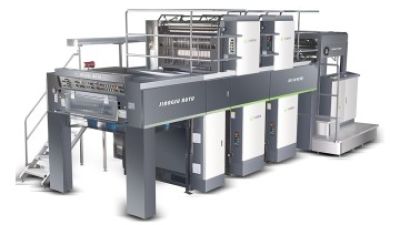
RYS9202B Double-Sided Double-Color Offset Printing Press: Efficient, High-Quality Commercial Printing

The RYS9202B double-sided, two-color offset printing press is designed for commercial printers that need efficient, dependable production without compromising image quality. With a maximum speed of 13,000 sheets per hour, it supports continuous output for books, manuals, business forms, packaging inserts, and other high-volume applications. Its heavy-duty mechanical structure helps maintain stability during extended runs, while precise registration control supports accurate front-to-back alignment and consistent color placement.

Industry demand continues to favor productive offset systems capable of handling repeat orders and varied paper stocks. Smithers’ *The Future of Global Printing to 2028* estimates that the worldwide print products market will remain close to US$850 billion annually through the forecast period, reflecting the continuing role of printed materials in commercial communication and packaging. In this environment, double-sided printing can reduce handling steps and improve sheet utilization, while two-color production provides an efficient solution for text, forms, instructional content, and economical promotional work.

The RYS9202B combines high running speed with reliable mechanical performance, helping reduce interruptions and support predictable delivery schedules. Its configuration is particularly suitable for plants seeking stable productivity, accurate registration, and repeatable quality across long production cycles, while the offset process delivers sharp text, clean line work, and professional results on large-volume jobs.

FAQS

What defines a commercial offset press in China?

It should provide stable color, accurate registration, and economical output during long print runs. Speed alone is insufficient.

How does a commercial offset press transfer images?

A plate receives the image first. A blanket transfers it to paper. This indirect process supports consistent printing.

What are sheet-fed presses commonly used for?

Sheet-fed presses suit brochures, catalogs, packaging inserts, and premium marketing materials. They handle individual sheets and varied paper types.

When is a web offset press more suitable?

Web presses use continuous paper for very large publication runs. They support high volume, but may not suit short jobs.

Which performance factors should buyers test?

Test color stability, registration, drying, paper compatibility, and makeready time. Check sheets during continuous production, not only demonstrations.

What should a practical press trial include?

Use your regular paper and ink coverage. Inspect fine details, such as a portrait’s eye alignment, under standard lighting.

How do maintenance and service affect operating costs?

Ask about replacement intervals, spare-part prices, technician response, and service records. Slow support can extend downtime.

What hidden costs should buyers consider?

Include installation, training, delivery, commissioning, energy, ventilation, floor strength, and setup waste. The invoice is not the whole cost.

Is the fastest press always the best choice?

No. A fast press with unstable registration may create costly reprints. Sometimes, speed hides waste.

How can buyers compare presses fairly?

Compare five-year ownership costs, operator feedback, paper range, and local support. There is no perfect machine.

Conclusion

Choosing the best Commercial Offset Press in China requires more than comparing purchase prices. A suitable press should match your business’s print volume, paper formats, color requirements, turnaround times, and available workspace. Commercial offset presses transfer ink from plates to a blanket and then to paper, delivering consistent, high-quality results for medium- and long-run production. Buyers can evaluate sheet-fed and web-fed configurations, as well as different automation levels, drying systems, and finishing options.

When comparing available presses, focus on print quality, operating speed, production capacity, registration accuracy, energy efficiency, and ease of maintenance. Total ownership cost should include installation, operator training, spare parts, routine servicing, and technical support. The best choice is not always the fastest or most advanced model; it is the press that offers reliable performance, manageable operating costs, and flexibility for your specific customer needs. A careful assessment of production goals and long-term service resources will help build a practical and profitable printing operation.
Ethan

Ethan

Ethan is a dedicated marketing professional at Jiangsu Ruyu Machinery Manufacturing Co., Ltd., a prominent state-level high-tech enterprise in China. With a profound expertise in precision machinery, he plays a crucial role in showcasing the company’s extensive range of sheet-fed double-sided......
Previous How to Choose a Printing Offset Press for Global Buyers?