Picking the right offset machine roller is kinda crucial if you want your business to run smoothly. These rollers are super important in the printing process — they help produce crisp, high-quality prints and keep things moving without a hitch. But, honestly, a lot of companies struggle to find the perfect one that fits their specific needs, and that can be pretty frustrating.
When you're trying to choose an offset machine roller, it’s worth thinking about things like how durable it is, whether it’s compatible with your equipment, and if it’s easy enough to use. Some brands come packed with advanced tech to boost performance, which is great. On the flip side, others might be missing key features, and that can honestly be a pain in the neck. So, weighing these pros and cons is really worth your time.
Getting some expert advice never hurts, either. Companies like XYZ Printing Solutions really know their stuff and can offer some helpful insights. But keep in mind, not every recommendation is going to be a perfect fit for your particular setup. It’s a good idea to think about your own printing processes and specific needs. Rushing into a choice isn’t the best move — taking your time and doing some careful research makes all the difference.
In the end, selecting the right roller isn’t something to be taken lightly. Patience, a little advice, and a clear understanding of what your business requires will help you make the best call.
Overview of Offset Machine Rollers and Their Importance
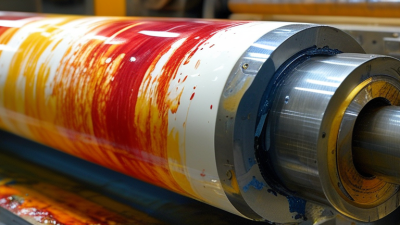
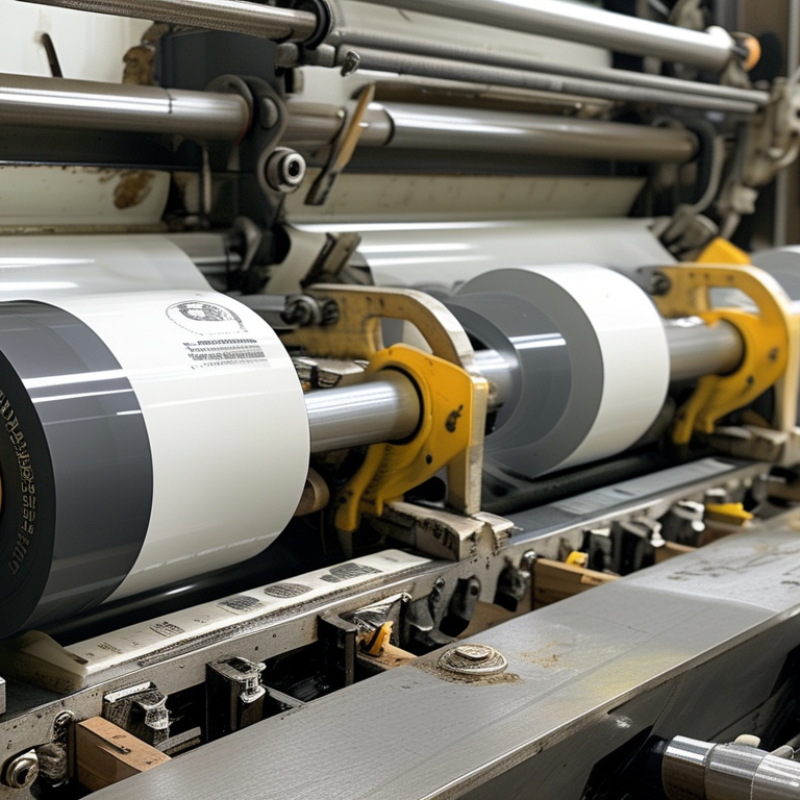
Offset machine rollers play a vital role in printing processes. They ensure precise ink transfer, which is crucial for high-quality prints. These rollers are not just about functionality; they can directly impact production efficiency. When rollers are worn out, they can lead to inconsistent prints and increased downtime. This can be frustrating for any business aiming for streamlined operations.
Selecting the right offset machine roller can be challenging. Businesses must consider factors like material type and hardness. Different printing tasks may require different roller specifications. An inappropriate choice could diminish print quality. Companies should assess their specific needs before making a selection. Regular maintenance and inspection are equally important to ensure optimal performance.
An understanding of how these rollers work can lead to better decisions. The mechanics behind ink transfer are intricate. A small error can spiral into larger production issues. Researching and learning about customer experiences with different types of rollers can be enlightening. There’s often room for improvement, even with established practices. A thoughtful approach can yield significant benefits for print businesses.
Best Offset Machine Roller Options for Your Business Needs
| Roller Type |
Material |
Diameter (mm) |
Length (mm) |
Weight (kg) |
Price ($) |
| Rubber Roller |
Natural Rubber |
50 |
120 |
5.0 |
100 |
| Polyurethane Roller |
Polyurethane |
60 |
150 |
4.5 |
120 |
| Steel Roller |
Steel |
70 |
180 |
7.0 |
150 |
| Silicone Roller |
Silicone |
55 |
130 |
6.0 |
110 |
| Nylon Roller |
Nylon |
65 |
140 |
4.0 |
95 |
Types of Offset Machine Rollers Available on the Market
When exploring offset printing, understanding the types of machine rollers is essential. There are several rollers designed to cater to specific printing needs. For instance, blanket rollers are crucial for transferring ink from plates to paper. They come in various sizes and hardness levels, influencing print quality and durability. A recent industry report highlights that the right blanket roller can enhance color reproduction by up to 30%.
Another key type is the ink rollers. These rollers distribute ink evenly, ensuring that prints are consistent and high quality. Research indicates that using advanced ink rollers can reduce ink usage by 15%, leading to cost savings. Selecting the correct material and type is fundamental. Some rollers are made from synthetic materials, while others use rubber compounds, each providing unique benefits and challenges.
Plate rollers also hold significance in offset printing. They create a stable surface for ink transfer. Different designs can affect print speed and accuracy. Studies show that proper alignment and maintenance of plate rollers can improve production efficiency by up to 25%. However, many businesses overlook the importance of regular checks, which can lead to costly errors and reduced output quality. Understanding these roller types helps businesses make informed decisions tailored to their production needs.
Key Features to Consider When Choosing a Roller
When selecting the best offset machine rollers for your business, key features demand attention. Durability is paramount. A roller made from high-quality materials can reduce wear. According to the Industry Research Institute, businesses that invest in durable equipment experience a 15% lower maintenance cost annually. This statistic underscores the importance of longevity in machinery.
Another essential factor is the roller's compatibility with your existing equipment. Different machines have varying roller specifications. Ensuring compatibility can reduce downtime. A mismatch may lead to operational inefficiencies. A survey by Manufacturing Analytics showed that misaligned machinery costs companies an average of $300,000 annually. It’s crucial to evaluate design specifications carefully.
Additionally, consider the roller's load capacity. The wrong load capacity can lead to significant complications. High-capacity rollers may prove essential if you frequently handle heavy materials. However, using an oversized roller for lighter jobs can waste resources. A balance is necessary to optimize performance, and reflecting on how your operations align with roller specifications can lead to better decision-making.
Top Brands and Models of Offset Machine Rollers Reviewed
Choosing the right offset machine roller is crucial for optimizing your printing process. Many brands offer robust options. When selecting, focus on durability and efficiency. Quality rollers can withstand high pressure and temperature changes during printing. Look for models that provide smooth operation, reducing downtime due to maintenance issues.
Several top brands in the market are well-regarded for their engineering and reliability. Evaluate their features, such as material composition and load capacity. It’s important to understand that not all rollers will suit every offset machine. Compatibility is a key aspect to avoid unnecessary challenges.
Consider your production needs when making decisions. Some rollers are designed for heavy-duty tasks, while others excel in speed and precision. Customer feedback can be insightful, revealing potential weaknesses or advantages. However, always verify the source of the reviews to ensure you’re getting trustworthy insights. It can be a process of trial and error, as finding the perfect match may take time.
Cost Factors and Budgeting for Your Business Needs
When considering offset machines for your business, cost factors play a critical role. These machines contribute to production efficiency and quality. However, the price tag often varies significantly. Analyze the initial investment, operation expenses, and maintenance costs carefully. Each element can dramatically influence your overall budget.
Maintenance might seem secondary, but overlooking it can lead to unforeseen expenses. The more complex the machine, the higher the likelihood of costly repairs. Additionally, training staff to operate these machines incurs costs. It's essential to account for this in your budgeting efforts. While it’s tempting to choose the cheapest option, investing in reliability often pays off.
Evaluate your production needs closely. Some machines are designed for high-volume outputs, while others focus more on quality. A mismatch can waste resources. A thorough assessment will help you identify the right fit. Remember, finding a balance between price and functionality might require some reflection. It's important to revisit your choices and adjust your budget accordingly.
Maintenance Tips for Prolonging Roller Lifespan
Maintaining the longevity of offset machine rollers is essential for operational efficiency. According to industry reports, roller replacement can account for up to 30% of maintenance costs in printing operations. Regular maintenance practices are crucial in extending their lifespan and maximizing return on investment.
Implementing routine inspections helps identify wear early. For instance, monitoring for surface irregularities can prevent costly downtime. Cleaning rollers of ink residues should occur daily. Neglecting this can lead to uneven prints and faster degradation. Lubrication also plays a key role. Reports indicate that lubricated rollers can show a lifespan increase of up to 20%.
Temperature and humidity control are often overlooked factors impacting roller performance. Extreme conditions can warp materials, reducing effectiveness. Maintaining optimal storage conditions is equally important. Many businesses fail to consider the impact of contaminants on roller integrity. By establishing comprehensive maintenance protocols, businesses can mitigate risks and enhance production quality.
Case Studies: Successful Implementations of Offset Rollers
Offset machine rollers have become essential in various industries, from printing to packaging. Case studies reveal their significant impact on operational efficiency. For instance, a research report by Smith Industries highlighted that businesses using high-quality offset rollers reduced waste by 25%, boosting profitability. Companies can often realize a return on investment within six months.
One case study focuses on a mid-sized printing company. The integration of offset rollers improved speed and consistency in production. Clients noted that the print quality doubled, leading to higher customer satisfaction. The company observed a 40% increase in orders within a year. However, rolling out such technology isn't without challenges. Staff training and maintenance require attention to fully leverage these machines.
Tips: Choose rollers that match your specific production needs. Ensure regular maintenance to avoid unexpected downtime. Monitor performance metrics to identify areas for improvement. These strategies can enhance the benefits derived from using offset rollers. Investing in high-quality equipment is essential, but the human element is just as crucial for success.
Enhancing Printing Efficiency: A Comprehensive Guide to Two-sided Single-color Offset Printing Press with Water-based Dampening
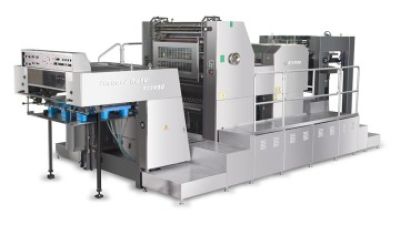
In the world of printing, efficiency and quality are paramount, particularly with two-sided single-color offset printing. The machine designed for this purpose utilizes a "hard-soft pressing" method, enhancing print quality as the paper passes delicately through the nip between the impression cylinder and blanket cylinder. This innovative technique not only ensures sharper images but also contributes to a more uniform ink distribution, resulting in a consistently high-quality output with every press.
Operational convenience is further enhanced with the incorporation of pneumatically controlled ink-water rubber rollers. These rollers can be effortlessly lifted and lowered, allowing operators to make quick adjustments during printing runs without interrupting the workflow. This feature is especially beneficial in maintaining a steady pace in production while ensuring high standards of print fidelity.
Additionally, precision plays a crucial role in the printing process, which is why this machine is equipped with axial and radial micro-adjustment devices on the upper plate cylinders. These adjustments can be made easily and without halting the machine's operation, enabling fine-tuning that optimizes the print alignment and registration. Consequently, print operators can achieve meticulous details and vibrant colors, making this offset printing press an invaluable tool in modern printing operations.
FAQS
: Offset machine rollers ensure precise ink transfer for high-quality prints and impact production efficiency.
The right roller affects print quality. An inappropriate choice can result in inconsistent prints and operational issues.
Key factors include material type, hardness, and compatibility with existing equipment for optimal performance.
High-quality rollers reduce wear, leading to annual maintenance cost savings of about 15% for businesses.
Regular inspection ensures optimal performance and prevents unexpected downtime due to worn-out rollers.
Using the wrong load capacity can lead to complications. Oversized rollers waste resources on lighter jobs.
Yes, high-quality rollers can significantly reduce waste, resulting in a reported 25% increase in profitability.
They improved speed and quality, doubling print quality and increasing orders by 40% within a year.
Staff training and ongoing maintenance are essential to maximize the benefits of new roller technology.
Regular maintenance, monitoring performance metrics, and training staff can optimize operations and improve outcomes.
Conclusion
Offset machine rollers are essential components in various printing and manufacturing processes, offering efficiency and precision for businesses. This article provides an overview of the different types of offset machine rollers available, highlighting their importance in enhancing productivity and quality.
When selecting an offset machine roller, it is crucial to consider key features such as material, durability, and compatibility with existing machinery. The article also discusses cost factors to help businesses budget effectively for their equipment needs. Additionally, practical maintenance tips are provided to extend the lifespan of the rollers, ensuring optimal performance. Through case studies, successful implementations of offset rollers are showcased, illustrating their impact on operational success.