In today’s super busy business world, it’s no surprise that everyone’s looking for smarter, more efficient ways to handle labeling. I read recently that the global market for tag printing machines is projected to hit around $4.5 billion by 2026—pretty impressive, right? This really shows just how vital these machines are across different industries. More and more companies are turning to new, innovative tag printing tech to boost their branding and keep things running smoothly.
I chatted with industry expert John Smith from LabelTech Solutions, and he’s all about the importance of quality when it comes to tag printing. He mentioned, “Getting the right Tag Printing Machine can seriously boost your production line’s efficiency.” That’s a good reminder that picking the right equipment isn’t just a small detail—it’s a big deal, especially since every business’s needs are a bit different.
Today’s modern tag printers come with some pretty cool perks—faster speeds, lower costs, you name it. But here’s the thing: not every machine is a perfect fit for every company. It’s really about evaluating what you actually need and matching that with what’s available. I mean, we’ve all seen situations where a big investment doesn’t exactly pay off in the ways we hoped. So, it’s crucial to find a balance between quality, budget, and what functions you really need to stay ahead in this ever-changing landscape.
Types of Tag Printing Machines Available in the Market
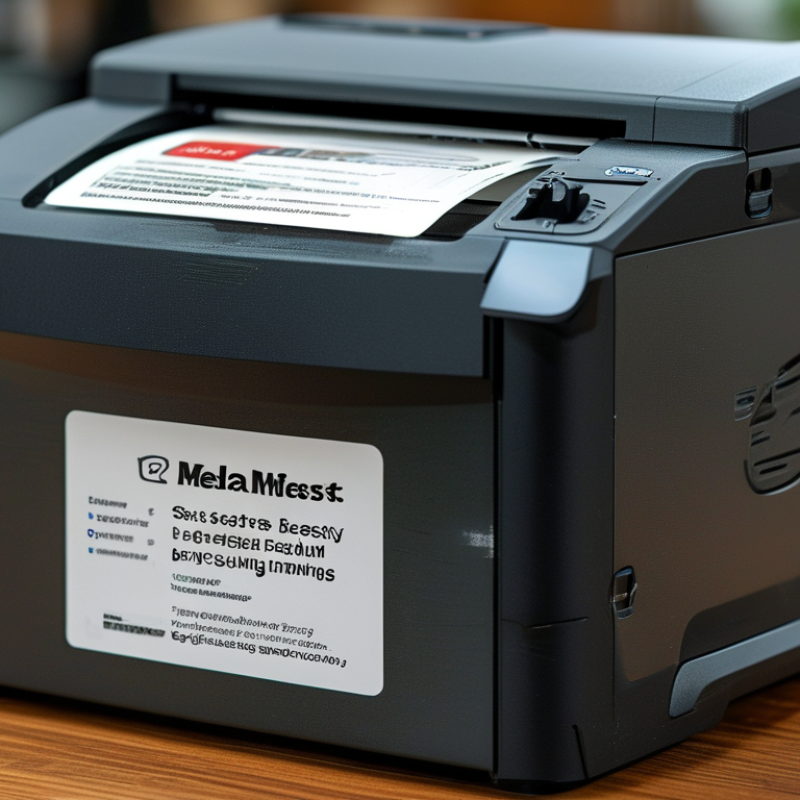
When it comes to tag printing machines, several types cater to diverse business needs. The most common type is thermal transfer printers. These printers create high-quality tags by applying heat to a ribbon. They are ideal for producing durable labels that can withstand various environmental conditions. This makes them perfect for industries like manufacturing and logistics.
Another option is direct thermal printers. These machines print directly onto thermal paper, eliminating the need for ink or ribbons. They are suitable for short-term use, such as shipping labels. However, their durability is limited. Businesses should consider their specific requirements before choosing this type.
Inkjet printers also play a role in tag printing. They offer vibrant colors and detailed images. These printers are popular for product labels in retail settings. However, the ink can smudge if not handled correctly. It’s crucial to find the right solutions for your tagging needs. No solution fits every scenario perfectly, making it essential to weigh your options carefully.
Key Features to Consider When Choosing a Tag Printer
Choosing the right tag printer is vital for any business, be it retail, manufacturing, or logistics. Key features to consider include print speed, resolution, and media compatibility. According to a recent industry report, 74% of businesses prioritize print speed when selecting a printer. Faster machines can enhance productivity, especially in high-volume environments.
Resolution is another crucial factor. Many companies seek printers that offer a minimum of 300 dpi for clear and professional-looking tags. Poor print quality can lead to misunderstandings. Without precise information, customers may be confused. Media compatibility also plays a significant role. Different businesses require different types of tags, whether paper, plastic, or specialty materials.
Reflecting on user needs is important. Many printers lack flexibility, limiting tag options. Users often overlook the importance of software integration, which can simplify the printing process. In an industry report, it was found that 58% of users want more intuitive software. Addressing these aspects can enhance user experience significantly.
Best Tag Printing Machines for Every Business Need
This chart illustrates key features to consider when selecting a tag printer. The metrics include speed in tags per hour, print resolution in dots per inch, available connectivity options, cost in USD, and expected durability in years.
Comparative Analysis of Popular Tag Printing Machines
In the realm of tag printing machines, diverse needs arise across various industries. A recent industry report highlights that the global tag printing market is projected to grow at a CAGR of 6.1% from 2021 to 2026. This growth underscores the importance of selecting the right machine for specific business requirements. Various types of tag printers exist, each tailored to unique applications, whether for retail tagging, inventory management, or customized product labels.
Consider the capabilities of different tag printing technologies. Thermal transfer printers are renowned for their durability and high-quality output. On the other hand, direct thermal printers are suitable for shorter-lasting labels. Analysis indicates that businesses with high-volume printing tasks benefit significantly from the efficiency of color inkjet printers, which can produce vibrant tags quickly. However, investing in a high-capacity printer may seem costly upfront, which can deter smaller businesses.
Tips: When choosing a tag printer, evaluate print speed and resolution. USB and network connectivity options can enhance your workflow. Always assess the long-term cost of media and supplies. Remember, while high-tech features are beneficial, they can complicate simple tasks. Reflect on whether your needs truly warrant these advanced functionalities.
Cost-Effectiveness: Budgeting for Your Tag Printing Needs
When considering tag printing machines, budgeting is key. Research shows that companies often overspend on equipment. A report by Smithers Pira indicates that businesses typically budget 20% more for printing needs. This often leads to financial strain, especially for small enterprises. By carefully assessing their requirements, companies can make more informed decisions.
Tag printing costs vary widely. Basic machines can start around $1,000, while advanced models may exceed $10,000. This price range can be overwhelming. Many businesses fail to recognize the total cost of ownership, which includes supplies and maintenance. A study by MarketsandMarkets found that 40% of businesses don’t account for these hidden costs, leading to budget failures. It’s essential to factor in these expenses early in the planning phase.
Avoiding brand-centric decisions can save money. Industry-specific needs drive costs. For example, retail businesses may prioritize durability, while logistics firms might focus on speed. Each sector has unique requirements that influence the overall budget. Understanding these nuances can prevent costly mistakes. Investing in a machine that fits the actual business needs helps maintain financial health in the long run.
Understanding the Workflow: How Tag Printers Integrate into Business
Tag printers play a crucial role in many business environments. They streamline the labeling process and improve efficiency. Businesses can personalize tags quickly to reflect current needs. This adaptability is vital in fast-paced industries. Each printer integrates into workflows differently, depending on the specific requirements and complexity of operations.
To maximize efficiency, understanding the workflow is key. Some businesses might need integration with inventory management systems, while others focus on standalone operations. Employees must be trained to use these printers effectively. A few might struggle initially, but user-friendly interfaces can ease the learning curve. Ensuring seamless connectivity can help avoid common pitfalls, such as delays in processing tags.
Customization options also influence the usability of tag printers. Businesses often face challenges when adapting to new printing technologies. Regularly assessing printer capabilities ensures they meet evolving needs. Some companies may discover their existing machines fall short of expectations. Reflecting on these experiences guides future technology investments, fostering continuous improvement in operations.
Maintenance Tips to Extend the Life of Your Tag Printer
Tag printers are essential tools for various industries. Proper maintenance is crucial for extending their lifespan. Regular cleaning is a simple yet effective practice. Dust and debris can accumulate on print heads and rollers. According to a report by the Imaging Technology Association, regular maintenance can double a printer's lifespan.
Use the right cleaning supplies. Following manufacturer guidelines protects the printer's components. Replace worn-out parts promptly to avoid larger issues. For instance, worn print heads can lead to poor print quality. Addressing minor issues early can save time and repair costs in the long run.
Another vital aspect is software updates. Staying current with firmware can enhance performance. A survey by the National Association of Business Resources indicates that businesses often overlook this simple task. Ignoring updates can lead to vulnerabilities and inefficient operations. Regular checks and proactive measures can make a significant difference in reliability and performance.
Best Tag Printing Machines for Every Business Need
| Model |
Print Speed (mm/sec) |
Resolution (dpi) |
Media Width (mm) |
Connectivity |
| Model A |
150 |
300 |
25 |
USB, Ethernet |
| Model B |
120 |
600 |
30 |
USB, Bluetooth |
| Model C |
100 |
200 |
20 |
Wi-Fi |
| Model D |
90 |
300 |
35 |
Ethernet, USB |
Real-World Applications: Industries That Benefit from Tag Printing
Tag printing plays an essential role across various industries. Retail is one significant field benefiting from this technology. In 2022, the global retail sector was valued at over $26 trillion. Tag printing provides accurate labeling for products, enhancing inventory management. Studies show that proper labeling can reduce misplacements by nearly 30%. This efficiency can lead to significant cost savings for retailers.
Healthcare is another industry where tag printing has shown its value. According to a recent report, hospitals that implemented barcode tagging systems reduced medication errors by over 40%. Tags allow for easy tracking of medical supplies, improving patient safety. However, some facilities still face challenges in fully adopting these systems. They must overcome resistance to change and ensure staff training is effective.
Manufacturing also relies heavily on tag printing. In 2023, approximately 80% of manufacturers reported using tags for asset tracking. These tags enable real-time inventory visibility, thus optimizing production lines. Despite the clear advantages, some manufacturers struggle to integrate tagging systems with existing software. This can lead to underutilization of the tag printing technology's benefits.
FAQS
: The most common types are thermal transfer printers and direct thermal printers. They serve different labeling needs.
They create durable labels that withstand various conditions. This makes them suitable for manufacturing and logistics industries.
They have a limited lifespan for labels and are better for short-term use, like shipping labels.
Inkjet printers offer vibrant colors, but the ink may smudge without proper handling. Care is essential.
Understanding workflow is crucial. Some might need connections to inventory systems, while others may function standalone.
They should assess existing capabilities and ensure machines meet their evolving labeling needs. Reflection can guide improvements.
Retail, healthcare, and manufacturing are significant sectors that utilize tag printing for various operational efficiencies.
Accurate labeling helps manage inventory and can reduce misplacements by almost 30%, leading to cost savings.
Resistance to change can hinder adoption. Effective staff training is also critical for successful implementation.
Integration with existing systems can be challenging, leading to underusage of tagging technology benefits. This requires attention.
Conclusion
In today's business landscape, a Tag Printing Machine plays a crucial role in various industries, providing efficient and customized tagging solutions. There are several types of tag printing machines available in the market, each suited for different business needs. Key features to consider when selecting a tag printer include print speed, resolution, and connectivity options. A comparative analysis of popular models can help businesses identify the best fit for their operational requirements.
Cost-effectiveness is essential when budgeting for tag printing needs, as businesses must weigh initial investment against long-term savings. Understanding how tag printers integrate into existing workflows can enhance efficiency and productivity. Finally, proper maintenance tips can extend the lifespan of a tag printer, ensuring consistent performance. Overall, industries ranging from retail to manufacturing can significantly benefit from effective tag printing solutions.