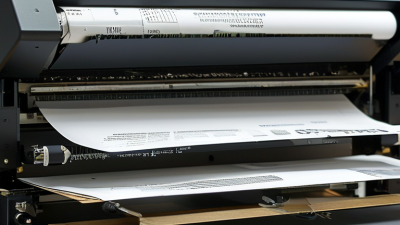
Picking the right Ink Roller can really make a difference in how your prints turn out—better quality, more efficiency, you know? Richard Lawson, an expert from The Ink Co., puts it simply: "Knowing exactly what you need and understanding the materials you're working with is key when choosing an ink roller." It just goes to show how important customization really is in this whole process.
A lot of folks tend to overlook some pretty basic but crucial things when picking an ink roller. Things like the type of ink you're using or the surface you're printing on can totally change the game. Using the wrong roller might cause streaks or fading, which obviously messes with your project’s outcome.
Honestly, practical experience is your best friend here. Trying out a few different types can help you figure out which one suits your specific needs. It’s common to get overwhelmed by the huge variety out there, and that can lead to making not-so-great choices. So, take a moment to think about what exactly you need—that’s usually the best way to get the most out of your ink roller and end up with a solid final product.
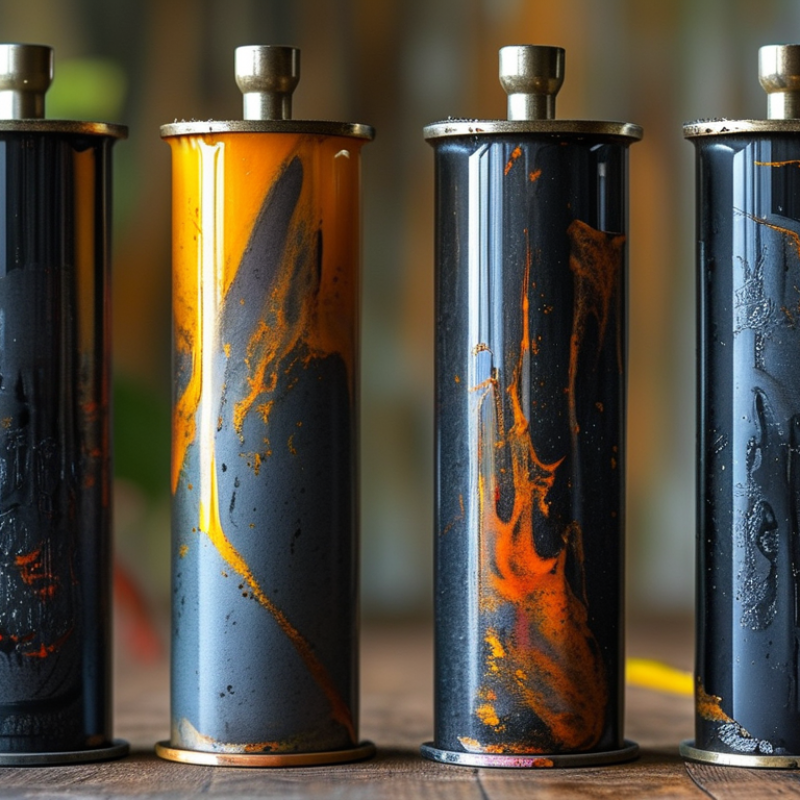
What Is an Ink Roller and Its Role in Printing Applications?
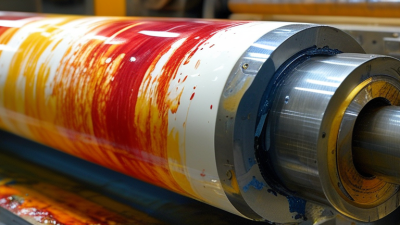
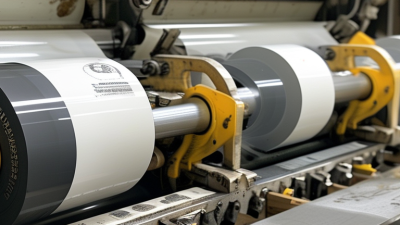
Ink rollers are essential in various printing applications. They serve as the primary means of transferring ink onto different surfaces. For many, the ink roller's choice can significantly impact the quality of prints. The right roller ensures vibrant colors and clear images, making it a vital component for printers.
According to a 2022 industry report, approximately 70% of print professionals recognize the importance of selecting the correct ink roller. This statistic underscores the roller's role in achieving consistent print quality. In addition, improper choices can lead to issues such as ink smudging or uneven application, resulting in wasted materials and time. Many print shops reported that nearly 30% of their rework stemmed from subpar ink rollers.
When selecting an ink roller, one must consider factors like material, durability, and compatibility. High-quality materials can enhance the roller's lifespan. However, some professionals overlook these details. Not all rollers perform well with every ink type. Conducting tests can be beneficial, although many neglect this critical step. Ultimately, a thoughtful approach to choosing ink rollers can lead to significant improvements in print outcomes.
Types of Ink Rollers: Comparing Rubber, Foam, and Felt Options
When selecting an ink roller, understanding the types available is crucial. Rubber rollers offer durability and consistent ink distribution. They are great for various surfaces, making them popular among professionals. Yet, they can sometimes leave uneven impressions on delicate materials.
Foam ink rollers are another option, providing a softer touch. They are ideal for projects that require gentler application. Foam rollers absorb more ink and can create a smoother finish. However, they may wear out faster than rubber, which might lead to frustration during longer projects.
Felt rollers, on the other hand, are suitable for specific applications. They excel at holding ink and releasing it evenly. Yet, they may not be as versatile as rubber or foam. If you choose felt, consider the surface and ink type carefully. Each type of ink roller has its pros and cons. Your choice will depend on the specific needs of your project and the materials you are working with. Balance durability with quality for the best results in your Ink And Roller selection.
Key Factors to Consider When Selecting an Ink Roller
Choosing the right ink roller involves several key factors. Start by considering the type of projects you'll undertake. Different tasks may require specific ink roller features. For example, if you work with different surfaces, a versatile option may serve you better. The padding and texture of the ink roller can influence the final finish. Consumers often overlook the significance of these details when making their selection.
Another critical aspect is the ink quality. Not all ink rollers are made equal. Some may produce vibrant, long-lasting prints, while others might smear or fade quickly. Researching the ink formulation can aid your decision. An ink roller like the Blitz Ink Roller provides consistent results, yet its performance might vary based on usage. Exploring user reviews can be helpful. Check how others have fared with specific models.
Finally, consider the maintenance needs. Some ink rollers require more upkeep than others. A low-maintenance option might be ideal for busy individuals. While durability is crucial, occasional imperfections can arise regardless of brand. Choose an ink roller that balances quality and ease of care, allowing for a smoother experience over time.
Understanding Ink Roller Sizes and Their Impact on Printing Quality
When selecting an ink roller, size is a critical factor. The dimensions of the
Ink Rubber Roller
can greatly influence printing quality. According to the Printing Industries of America, smaller rollers may not deliver the same ink distribution as medium or larger ones. A well-sized roller ensures an even coating, leading to sharper images and richer colors.
Different industries may require specific roller sizes based on their machinery. For example, flexographic printing often uses larger rollers to accommodate high-speed processes. Reports indicate that improper sizing could decrease efficiency by up to 30%. This inefficiency may stem from uneven ink application, leading to inconsistencies in printed materials.
Moreover, the hardness of the Ink Rubber Roller affects the amount of ink it transfers. Softer rollers hold more ink but may result in smudging. On the other hand, harder rollers achieve crisp lines but require careful calibration. As with any choice in printing, balancing the roller size and hardness is essential. Making wrong decisions here can compromise the entire printing process, necessitating a thorough understanding of your printing needs.
Evaluating Ink Roller Durability: Hardness and Compression Standards
When evaluating ink roller durability, two key factors come into play: hardness and compression standards. Hardness determines how well a roller resists wear over time. It is commonly measured using the Shore hardness scale. A study from the Printing Research Institute reveals that rollers with a Shore A hardness of 60-80 provide optimal durability for most applications. Compression standards refer to the ability of the roller to maintain its shape under pressure. Lower compression set numbers indicate better resilience and longevity.
Tips for choosing the right ink roller include reviewing hardness ratings closely. A harder roller may last longer but could lead to uneven ink distribution. Consider the specific printing tasks you'll undertake. For example, fine detail work may benefit from a softer roller. Always check the compression set rating. A high-quality ink roller should have a rating below 10%. This enhances performance over extended usage.
Remember, not all rollers perform the same way. Environmental factors also play a role. Humidity and temperature can affect roller longevity. Manufacturers do not always provide thorough testing data, which can make it tough to gauge reliability. Always seek feedback from industry professionals or peer reviews. Focus on solutions that meet your unique printing needs.
How to Choose the Best Ink Roller for Your Needs? - Evaluating Ink Roller Durability: Hardness and Compression Standards
| Ink Roller Type |
Hardness (Shore A) |
Compression Resistance (PSI) |
Durability Rating (Out of 10) |
Ideal Use Case |
| Standard Ink Roller |
30 |
2000 |
7 |
General purpose printing |
| High-Compression Roller |
40 |
3000 |
9 |
Heavy-duty tasks |
| Soft Ink Roller |
25 |
1500 |
6 |
Delicate surfaces printing |
| Rubber Ink Roller |
35 |
2500 |
8 |
Versatile application |
Maintaining Your Ink Roller for Optimal Performance and Longevity
Maintaining your ink roller is crucial for optimal performance. Regular cleaning can prevent ink build-up. Use a soft cloth or specialized cleaner to wipe the roller. Ensure you remove any dried ink to avoid smudging during use. It may seem tedious, but it pays off in the long run.
Storage is just as important. Keep your ink roller in a cool, dry place. Avoid areas exposed to direct sunlight. This may seem obvious, but many overlook this step. A proper environment prevents the roller from drying out or degrading.
Keep an eye on ink levels. A low ink supply can lead to inconsistent prints. If you notice fading, it may be time to replace or refill the roller. This simple habit will help maintain consistency in your work. Remember, neglecting these maintenance tips may lead to frustration later.
Cost Analysis: Budgeting for Quality Ink Rollers in Your Setup
Budgeting for quality ink rollers requires careful analysis. It’s essential to consider both initial costs and long-term value. Cheaper ink rollers might save money upfront. However, they often lack durability and consistent performance. Investing in a reliable product could pay off over time. Quality rollers provide better ink mixing and application. This leads to superior results in your projects.
Consider your specific needs before making a purchase. An Ink Mixing Roller designed for larger projects may be costly but can enhance efficiency. On the other hand, a simpler model may suffice for smaller tasks. Research is crucial to find options that fit your budget while meeting quality standards. User reviews and expert recommendations can offer valuable insights.
Reflecting on past purchases can also inform future decisions. Have previous rollers met your expectations? Did they perform well enough? These questions guide budget allocations. Remember, spending a little more on a quality ink mixing roller can result in a noticeable improvement in your work. It's all about balancing cost-effectiveness with performance for the best outcomes.
FAQS
: Ink rollers transfer ink onto surfaces in various printing applications. They ensure vibrant colors and clear images.
The correct ink roller impacts print quality significantly. It helps prevent issues like ink smudging and uneven application.
Important factors include material, durability, and compatibility with ink types. Quality materials can enhance a roller’s lifespan.
Using the wrong roller may lead to wasted materials and time due to rework and poor print quality.
Cheaper ink rollers can save money initially but may lack durability. Investing in quality rollers can yield better long-term results.
Yes, testing rollers helps ensure compatibility and performance. Many neglect this step and miss out on ideal prints.
Analyze initial costs and long-term value. Consider your specific needs and how much you are willing to spend on quality.
Reflect on previous purchases. Ask if past rollers met expectations and how they performed to guide your choices.
User reviews and expert insights can provide valuable information. They help in finding options that balance quality and cost.
Yes, spending more on quality can lead to noticeable improvements in print quality and efficiency. It’s worth considering.
Conclusion
An ink roller is a crucial tool in various printing applications, providing the necessary transfer of ink to surfaces for high-quality prints. When selecting an ink roller, it's important to understand the differences between types such as rubber, foam, and felt, as each offers unique advantages based on the printing needs. Key factors to consider include the size of the roller, its durability defined by hardness and compression standards, and how these attributes impact overall printing quality.
Maintenance also plays a significant role in ensuring the optimal performance and longevity of ink rollers. Regular care can prevent degradation and enhance efficiency, while budget considerations are vital when planning for quality ink rollers in your setup. By carefully evaluating these aspects, users can make informed decisions that best meet their printing needs.