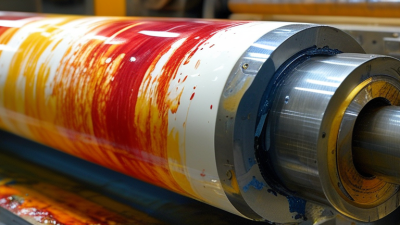
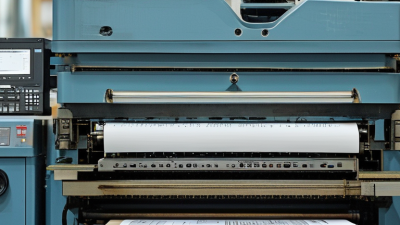
Picking the right Ink Rubber Roller is really important if you want top-notch printing quality. Honestly, there are quite a few things to think about. For starters, you should consider what kind of printing you're doing. Different industries often need different types of rubber rollers. Plus, factors like durability, flexibility, and hardness really impact how well the roller performs.
When you're trying to choose, it helps to understand what your printing process actually needs. Not all rollers are created equal—some might wear out quickly, and others might not transfer ink as smoothly as you’d like. Finding that sweet spot between price and quality is key. And if you're uncertain, reaching out to experts or the manufacturers themselves can give you some good advice tailored to your setup.
Don’t forget to check out reviews and testimonials either—they can give you real insights into how reliable a product actually is. Remember, just because a roller works well for one business doesn’t mean it'll be perfect for you. Sometimes, you need to reflect on your past experiences and be open to trying new options. Taking the time to weigh your choices carefully can really pay off in the end and help you get the best results.
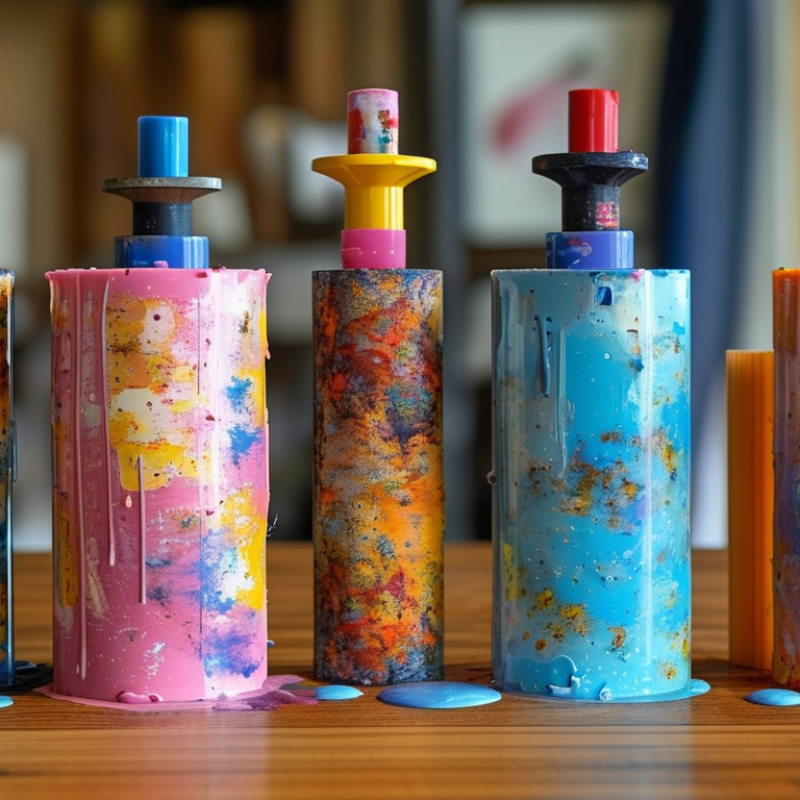
Understanding the Purpose of Ink Rubber Rollers in Printing
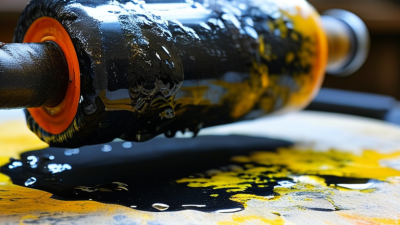
Ink rubber rollers play a crucial role in printing processes. They help transfer ink from a fountain or a reservoir onto the printing plate. The right ink rubber roller can ensure smooth ink application and consistent quality in prints. Understanding the specific purpose of these rollers is essential for any printing operation. Each roller has unique properties, affecting how ink adheres to the substrate.
Choosing the ideal ink rubber roller requires considering several factors. The shore hardness of the roller affects its flexibility and durability. A softer roller may produce finer details, while a firmer one aids in ink transfer. The composition of the rubber also influences the roller’s performance. Some materials offer better chemical resistance, while others are designed for high-speed applications. It’s important to align these characteristics with your printing style and requirements.
Margins for error exist when selecting Rubber Ink Rollers. Often, users may overlook the importance of roller maintenance. Regular cleaning prolongs the life and performance of these tools. However, improper cleaning techniques can lead to deterioration or uneven inking. Identifying the right balance between maintenance and use is crucial for achieving optimal results.
Identifying Different Types of Ink Rubber Rollers Available
When selecting the right Ink Roller, understanding its types is crucial. Various options cater to different printing needs.
Soft rubber rollers are popular for their ability to evenly apply ink. They work well for fine detail printing. Additionally, hard rubber rollers excel at transferring more ink. These are ideal for bold prints and vibrant colors.
It's essential to consider the material and durometer. Different rubber compositions can affect performance. The durometer indicates hardness; a lower number means a softer roller. This choice impacts ink transfer and final print quality.
The right Ink Roller can make a significant difference in your work.
Tips for choosing include evaluating your printing method and desired outcome. Consider experimenting with different sizes to see what works best. Testing various rollers can enhance your results. Keep in mind that not every Ink Roller suits every project.
Reflection on past projects aids in making better choices next time. A thoughtful selection process elevates your prints.
Key Factors to Consider When Choosing an Ink Rubber Roller
Choosing the right ink rubber roller is essential for achieving high-quality printing results. Various factors influence the selection process. Material composition is crucial. Rubber rollers can vary in hardness, affecting how they interact with different inks. According to a recent industry report, softer rubber rollers are better for delicate materials. Harder rollers excel with thicker inks. Understanding this can make a significant difference in print quality.
Durability is another key consideration. A study from the Printing Industries of America revealed that rollers with superior abrasion resistance last longer and maintain performance. Users often overlook maintenance aspects. It can lead to decreased efficiency and print quality over time. Regular cleaning and proper storage of Ink And Roller setups improve longevity.
Compatibility with ink types is vital. Not all rollers suit every type of ink, whether solvent, water-based, or UV. The interaction between the ink and roller can influence not only quality but also production speed. Experimenting with different combinations is often necessary to find an optimal setup. It may take time and testing, but the results can significantly enhance the overall printing performance.
Assessing the Material and Durability of Rubber Rollers
When selecting a rubber roller, the material and durability are critical factors. Rubber rollers are made from various materials, which affect their performance and lifespan. For instance, natural rubber offers excellent elasticity but may not withstand harsh chemicals. In contrast, synthetic rubbers, like nitrile, are resistant to oils and solvents. Reports show that using the right material can extend roller life by up to 30%, positively impacting production efficiency.
Durability is another key aspect. A high-quality rubber roller should endure frequent use without significant wear. Many industries rely on rubber rollers for consistent performance. According to industry data, rollers exposed to abrasive materials can degrade quickly. This highlights the need for rolling components designed to resist abrasion. The choice of the "Blitz Ink Roller" showcases how advanced formulations improve resilience. Additionally, a roller’s design, including its hardness and texture, greatly influences its durability and the quality of printed products.
Regular maintenance plays a role in extending a roller's life. That’s a common oversight in many facilities. Operators should clean rollers to prevent ink build-up. Inspections are also essential to identify wear before it leads to costly downtimes. While some rollers may appear durable, neglecting maintenance can result in unexpected failures. Investing in reliable rubber rollers, like the "Blitz Ink Roller," brings benefits, but awareness of their limits is vital.
Evaluating Size and Compatibility with Your Printing Equipment
Choosing the right ink rubber roller involves understanding its size and compatibility with your printing equipment. The roller's diameter and length are crucial for achieving optimal results. For example, according to industry reports, a mismatch in size can lead to uneven ink application and wasted resources. Be sure to measure your existing rollers and compare them to potential replacements.
Compatibility extends beyond size. Different printing machines have specific requirements. For instance, some models may benefit from softer rubber compounds to enhance ink transfer, while others may perform better with harder materials. Research shows that using the correct roller can improve print quality by as much as 25%. Analyzing your machine's specifications will narrow your choices efficiently.
Evaluate the roller based on its intended use. For high-speed operations, select rollers designed for durability. Regular inspections can identify wear and tear. Documenting the frequency of use allows for timely replacements. Pay attention to user reviews and expert insights for additional guidance. Each printing scenario is unique, making careful consideration imperative.
How to Choose the Best Ink Rubber Roller for Your Needs? - Evaluating Size and Compatibility with Your Printing Equipment
| Ink Roller Size (inches) |
Material Type |
Printing Equipment Compatibility |
Ink Type |
Durability (Cycles) |
| 3 |
Rubber |
Offset Press |
Oil-Based Ink |
10,000 |
| 4 |
Polyurethane |
Flexo Press |
UV Ink |
15,000 |
| 5 |
Silicone |
Gravure Press |
Solvent Ink |
12,000 |
| 6 |
EPDM |
Letterpress |
Water-Based Ink |
8,000 |
Reading Reviews and Recommendations for Ink Rubber Rollers
When selecting the right ink rubber roller, reading reviews can be invaluable. Customers often share their experiences with specific rollers, highlighting strengths and weaknesses. Focus on feedback regarding durability, ease of use, and performance in various printing applications. This information provides insight into the reliability of different products. Join forums or communities related to printing to gain perspectives from experienced users.
Consider the material of the roller when making your choice. Some materials may work better with specific inks or applications. Read how others have fared in similar situations to yours. Pay attention to variations in roller hardness too. Hard rollers may give precise applications, while softer ones may excel in ink distribution.
It’s important to remember that not all recommendations will suit your unique needs. What worked for one user might not work for another. Look for patterns in feedback rather than focusing on a single opinion. Take some time to weigh your options. Making an informed choice will lead to better printing results and a smoother process.
Budgeting and Cost Considerations for Ink Rubber Rollers
When selecting an ink rubber roller, budgeting plays a crucial role. Prices can vary widely, depending on the roller's size, material, and intended use. Determining your budget will help narrow your choices. A high-quality roller might seem costly initially, but it can offer better performance and durability. You may save money in the long run by investing in a reliable product.
Consider the specific requirements of your printing process. If you print frequently and in large volumes, a mid-range to high-end rubber roller could be more cost-efficient. On the other hand, for occasional or small-scale jobs, a less expensive option could suffice. Understanding the longevity and maintenance costs is essential. Cheap rollers may wear out quickly, leading to more frequent replacements.
Reflect on your production needs and the potential hidden costs. Misalignment or poor adhesion from inadequate rollers can result in wasted materials. This could lead to a significant increase in overall expenses. Balancing initial cost with potential long-term savings can help you make a more informed decision. Remember, sometimes spending a little more could save you headaches later.
FAQS
: Reviews provide insights into durability, ease of use, and performance. They highlight strengths and weaknesses from user experiences.
Different materials work better with specific inks. Users share their successes and failures with particular materials for reference.
Not all recommendations will suit your needs. What works for one person may not work for you. Look for common patterns instead.
Prices vary widely. Determine your budget based on size, material, and intended use to narrow options.
Cheap rollers can wear out quickly. They may lead to more replacements, increasing overall costs in the long run.
Roller hardness affects ink application. Hard rollers provide precision, while softer ones improve ink distribution.
Inadequate rollers can cause misalignment or poor adhesion. This may result in wasted materials and increased expenses.
For occasional or small-scale jobs, a less expensive roller may suffice. Assess your specific needs carefully.
High-quality rollers offer better performance and durability. They could save you headaches and money over time.
Consider your production needs and potential hidden costs. Balance initial cost with long-term savings for informed choices.
Conclusion
When selecting the best Ink Rubber Roller for your printing needs, it is essential to first understand its role in the printing process. Ink rubber rollers are crucial for transferring ink evenly onto printing plates, ensuring high-quality prints. Different types of ink rubber rollers are available, each designed for specific applications, so identifying the right type is fundamental.
Several key factors should be considered, including the material and durability of the rollers, as these will affect their performance and lifespan. Additionally, it is vital to assess the size and compatibility with your printing equipment to avoid any operational issues. Reading reviews and recommendations can provide further insights into the performance of various options, while budgeting for an ink rubber roller is crucial to balance quality and affordability. By carefully evaluating these elements, you can choose an ink rubber roller that best suits your requirements.