Leave Your Message
0%

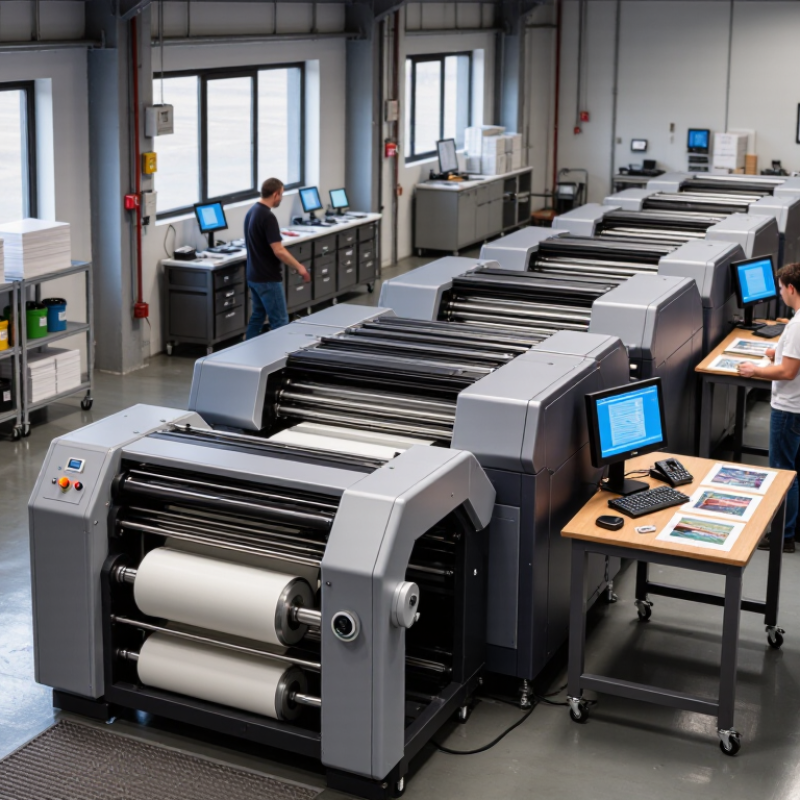
Choosing a printing offset press isn’t just about picking a piece of machinery — it’s more of a strategic production decision. When you're shopping internationally, you’ve gotta think about how the press format fits with your substrates, color needs, and available skills on your team, plus accessibility to service support. Sure, a shiny six-color sheetfed press might catch your eye in the showroom, but beware — if your local operators don’t have the calibration experience, it might not perform as well as you hope.

The 2024 drupa Global Trends report highlights some ongoing challenges for printers, like skyrocketing energy costs, labor shortages, and shorter runs. On the flip side, it also points out a big shift towards automation and smarter workflow systems. According to Smithers’ ‘The Future of Global Printing to 2028,’ the print industry’s still massive globally, but digital tech is changing how volume gets distributed. Basically, these trends tell us it’s crucial to look at the total operating costs—not just the speed on paper.

Frank Romano, a well-respected figure in the printing world and former professor at RIT, has described printing as ‘a manufacturing process.’ That mindset is pretty practical — whenever you’re evaluating presses, remember to check things like feeder stability, blanket condition, how accurate registration is, drying performance, and whether spare parts are easy to get. Don’t shy away from asking for sample prints on your actual paper stock. And make sure to peek at the waste sheets next to the delivery pile — tiny registration issues can turn into big customer complaints down the line.

Now, let’s be honest — the perfect press doesn’t really exist. A machine loaded with fancy automation might be more than a small shop can handle for maintenance. And buying a used press for a lower price might sound good, but it could end up costing you more in downtime, obsolete controls, or tricky tech support later on. When comparing options, check out what other buyers say, look into warranty details, training programs, energy usage stats, and whether the equipment meets safety standards. It’s also a smart idea to get an independent inspection BEFORE you buy. Trust me — solid decisions come from real evidence, feedback from operators, and a realistic plan for the next five years — not just shiny brochures.
How to Choose a Printing Offset Press for Global Buyers?

Define the Production Requirements for Your Printing Offset Press

Before choosing an Offset Printing Press, define exactly what you will produce. Record the common sheet sizes, paper weights, coating types, and color requirements. A commercial brochure may need four-color printing, while packaging work can require thicker stock and special inks. Do not rely on estimated output. Measure your monthly sheets, average order size, and busiest production week.

Consider how the press will behave during real jobs. Short runs need quick plate changes and low paper waste. Long runs may justify higher running speed and automated quality controls. Check the maximum image area, feeder capacity, drying method, and registration accuracy. Leave enough floor space for paper handling and maintenance access. Operators also need practical training, not only a manual. Small details matter.

Global buyers should confirm electrical standards, safety documentation, installation conditions, and available technical support. Ask for a sample test using your own paper and artwork. Review the acceptance criteria before signing anything. A promised speed may not match production speed with heavy stock or frequent color changes. I have seen planning fail here. Energy use, spare-part delivery, and local service should be calculated as operating costs. Some requirements may change after testing, and that is normal.

Compare Offset Press Types, Configurations, and Printing Capabilities

Choosing an Offset Printing Press Machine starts with the job, not the machine size. Sheetfed offset suits commercial work, folding cartons, and short-to-medium runs with frequent stock changes. Web offset fits high-volume magazines, newspapers, and standardized packaging. Smithers’ The Future of Global Printing to 2028 estimated packaging represented about 60% of global print value in 2023. That shift makes substrate control increasingly important.

Compare configurations carefully. A four-color press handles standard process work, while five or six units add spot colors, coating, or stronger brand consistency. Inline coating can protect a carton surface in one pass. UV or LED-UV curing may support immediate finishing, but energy use, lamp maintenance, and local service skills deserve scrutiny. Larger formats improve sheet coverage, though they can increase makeready waste. A practical test should use your actual paper, board, ink, and artwork.

Ask for measurable evidence. The 2024 drupa Global Trends report showed continued pressure on printers from costs, pricing, and investment decisions. Request makeready sheets, hourly output, registration tolerance, waste rates, and verified power consumption. Check whether performance follows ISO 12647-2 process-control principles. Visit an operating installation if possible. Watch the operator change plates. Small delays become expensive.

Do not trust brochure speed alone. A press rated at 18,000 sheets per hour may run slower on heavy board or fine screens. I would also question overly optimistic payback calculations. Local training and spare-parts response can matter more than one extra color unit.

How to Choose a Printing Offset Press for Global Buyers?

Compare Offset Press Types, Configurations, and Printing Capabilities

Comparison of common commercial offset press options
Press Type Typical Configuration Substrate & Size Typical Production Speed Common Color Options Finishing Features Best Applications Main Advantages Important Limitations
Sheetfed Offset Press 2–10 printing units; optional perfecting unit; aqueous coating or inline drying module Cut sheets, typically 0.04–0.8 mm; common formats from approximately 520 × 360 mm to 1,060 × 740 mm Approximately 10,000–18,000 sheets per hour, depending on format, stock, and press configuration 1–6 spot or process colors; 4-color process and 5–6 color plus coating are common configurations Inline aqueous coating, UV or LED-UV options on selected configurations, perfecting, pile turning, and sheet inspection Commercial brochures, catalogs, magazines, premium packaging, cards, folders, and short-to-medium production runs Flexible sheet sizes, broad paper range, strong color control, high-quality halftones, and economical job changeovers for mixed orders Lower output than web presses for very long runs; makeready sheets, plates, and manual handling can increase setup cost
Web Heatset Offset Press Continuous reel-fed press with 4–8 printing units, drying oven, chill rollers, and folder Lightweight coated or uncoated rolls; web widths commonly about 520–1,200 mm Approximately 30,000–60,000 impressions per hour; actual output depends on pagination and folder setup Usually 4-color process; 5th or 6th units may be added for spot colors or special effects Integrated heat drying, inline folding, sheeting, perforation, and selected coating or ink-control systems High-volume magazines, catalogs, direct mail, retail inserts, and publications requiring fast folding and delivery Very high throughput, continuous production, efficient folding, and competitive unit cost on long runs Higher energy demand, greater startup waste, less economical for short runs, and limited suitability for heavy board
Web Coldset Offset Press Continuous reel-fed press using absorbent uncoated paper; commonly configured with 4–8 printing units and a folder Primarily uncoated newsprint and lightweight book paper; web widths often about 500–1,600 mm Approximately 30,000–70,000 impressions per hour, depending on press design and product format Generally 4-color process; additional units are available for selected newspaper or commercial applications Inline folding, cutting, stitching, gluing, or inserting may be integrated depending on the folder and mailroom line Newspapers, directories, flyers, mass-market publications, and high-volume uncoated products High speed, lower energy use than heatset, and efficient production on absorbent uncoated stocks Requires absorbent paper, offers lower image gloss, and can show set-off or rub issues if ink and paper are poorly matched
Perfecting Sheetfed Press Sheetfed press with an in-line perfecting unit for printing both sides in one pass Coated and uncoated sheets, commonly from lightweight paper to medium-weight board within the press specification Approximately 8,000–15,000 sheets per hour in perfecting mode; speed varies with stock and drying requirements Commonly 4/4, 5/5, or 6/6; configurations may combine process colors, spot colors, and coating Front-and-back printing in one pass, optional coating, inline quality monitoring, and automated register control Brochures, leaflets, calendars, manuals, direct mail, and other products requiring accurate two-sided registration Reduces handling, turnaround time, and back-side registration variation compared with separate passes Perfecting can reduce maximum speed and may require careful control of ink, paper curl, set-off, and drying
UV or LED-UV Sheetfed Offset Press Sheetfed press equipped with UV or LED-UV curing, often with 4–8 printing units and coating capability Paper, synthetic sheets, films, and selected non-absorbent materials; substrate limits depend on ink and curing system Approximately 10,000–18,000 sheets per hour, depending on format, ink system, and curing configuration 4-color process, extended-gamut or spot-color options, plus opaque white or specialty inks on selected systems Immediate curing, inline coating, special-effect coatings, and rapid handling after printing Premium packaging, labels, synthetic products, short-turnaround commercial work, and specialty applications Fast drying, reduced set-off, strong adhesion on suitable substrates, and immediate downstream processing Higher ink and equipment cost, specialized ventilation or curing requirements, and substrate compatibility must be tested
Large-Format Sheetfed Offset Press Large-format press with 4–8 printing units; optional perfecting, coating, and automated plate or wash-up systems Large sheets and board, often up to approximately 1,060 × 740 mm or larger on specialized equipment Approximately 10,000–18,000 sheets per hour, with productivity influenced by sheet size and board thickness 4–6 process or spot colors; coating units are common for packaging and premium commercial work Aqueous or UV coating, inline inspection, extended delivery systems, and support for die-cutting or folding workflows Folding cartons, point-of-sale materials, posters, covers, calendars, and high-value commercial products More finished pieces per sheet, efficient imposition, strong coverage of large products, and reduced trimming waste Requires more floor space and skilled operation; large sheets can increase paper handling and makeready complexity

Selection Factors for Global Buyers

  • Match the press type to monthly volume, average job length, required turnaround time, and the mix of repeat versus short-run work.
  • Confirm maximum and minimum sheet or web dimensions, paper grammage, board thickness, surface finish, and substrate compatibility before purchase.
  • Compare total cost of ownership, including plates, blankets, inks, energy, labor, maintenance, spare parts, setup waste, and operator training.
  • Verify electrical standards, ventilation, curing requirements, language support, installation access, and local service capability in the destination market.
  • Performance figures are typical industry ranges for comparison only; final specifications vary by press design, product format, substrate, ink system, and operating conditions.

Evaluate Press Speed, Sheet Size, and Color Quality

When choosing an offset press for international work, start with the job mix, not the maximum speed. Smithers’ The Future of Global Printing to 2028 estimates the worldwide print market will approach US$874 billion by 2028. That scale rewards stable productivity, but speed alone can mislead. A press rated at 15,000 sheets per hour may slow considerably with heavy stock, frequent washing, or short runs. Ask for measured output on your actual paper.

Sheet size affects both yield and waste. Calculate how many finished products fit on each sheet, including gripper margins and trimming space. A larger format can reduce paper waste for brochures, cartons, and multiple-up layouts. However, it may increase makeready costs and require more floor space. I once focused too heavily on maximum sheet size; the layout looked efficient, but smaller jobs became unnecessarily expensive. That decision needed more reflection.

Color quality requires measurable control. ISO 12647-2 provides process-control guidance for offset printing, including tone value increase, color targets, and substrate conditions. Request test sheets, spectrophotometer readings, and repeatability data across shifts. Fogra’s process-control publications also emphasize standardized measurement rather than visual approval alone. Ask whether operators can maintain results after plate changes and paper changes. A beautiful first sheet proves little. Consistency matters more. A practical trial should compare speed, waste, register accuracy, and color variation on your most demanding stock.

Assess Automation, Workflow Integration, and Operator Requirements

Choosing a National Offset Printing Press requires more than comparing speed and maximum sheet size. Global buyers should examine how automation supports daily production. Automatic plate changing, preset ink profiles, and paper alignment can reduce setup time. However, automation is valuable only when operators can understand and control it.

Workflow integration deserves close attention. Ask whether the press connects smoothly with prepress systems, production scheduling tools, and quality records. A useful workflow should transfer job data without repeated manual entry. It should also provide clear alerts when ink density, registration, or paper feed changes. During a factory evaluation, request a live demonstration with your own typical files. Screens can look impressive. Real production reveals more.

Tips: Check operator training time, interface language options, maintenance access, and remote support procedures. Keep the control panel readable under bright workshop lighting. Ask how quickly a new operator can correct a minor registration error. Lower staffing needs may sound attractive, but insufficient training can create costly waste. I have seen highly automated equipment underperform because operators distrusted the alarms. That is a reminder to assess people, not only machinery. Consider spare-part availability, documented service schedules, and local technical expertise before signing a purchase agreement. A press that fits your workflow is usually safer than one with the longest feature list.

How to Choose a Printing Offset Press for Global Buyers?

Assess Automation, Workflow Integration, and Operator Requirements

How to read this assessment: Automation and workflow integration receive the highest weighting because they directly influence setup consistency, data exchange, job traceability, and production efficiency. Operator requirements remain essential: buyers should verify training time, staffing flexibility, maintenance skills, and the clarity of the human-machine interface before selecting a press.

Assessment model: normalized buyer-side weighting on a 100-point scale. The dimensions reflect standard operational considerations used when evaluating modern offset press installations.

Check Energy Use, Maintenance Needs, and Long-Term Reliability

How to Choose a Printing Offset Press for Global Buyers?

Energy use deserves careful inspection when selecting a Sheet Fed Offset Printing Press . The U.S. Department of Energy reports that better operations and maintenance can reduce industrial energy use by 5–20%. Ask for measured power data, not only catalog estimates. Check consumption during standby, plate changes, washing, and production. Small losses accumulate.

Compressed air also needs attention. The DOE Compressed Air Sourcebook states that leaks can waste 20–30% of compressor output. Listen near valves and inspect hoses during a plant visit. A quiet pressroom can still hide expensive leaks. Request annual electricity records from comparable installations. Those records may reveal more than sales claims.

Maintenance reliability depends on access and training. The DOE’s Operations & Maintenance Best Practices guide links planned maintenance with fewer failures and stronger equipment performance. Check whether rollers, blankets, sensors, and pumps can be reached without dismantling major assemblies. Ask about local technicians, spare-part lead times, and remote diagnostics. Minutes matter.

A practical test helps. Run the press through a long production shift. Watch temperature drift, restart behavior, paper waste, and operator workload. No checklist is perfect. My own evaluation would still leave room for doubt, especially when service data is incomplete. Demand failure histories, documented energy measurements, and realistic maintenance intervals before comparing purchase prices.

Review Supplier Support, Compliance, Pricing, and Total Ownership Cost

How to Choose a Printing Offset Press for Global Buyers?

Supplier support should be assessed beyond the sales presentation. Ask about installation supervision, operator training, remote diagnostics, and spare-parts availability in your region. Support matters later. Request service response times in writing, including coverage during weekends and holidays. A useful supplier should provide maintenance schedules, troubleshooting guides, and clear escalation procedures. Ask for evidence, not promises. Check references from printers with similar paper sizes, production volumes, and working conditions.

Compliance can affect the real purchase price. Review electrical safety documents, machine guarding requirements, emissions controls, and waste-handling expectations for your destination market. Confirm that manuals, warning labels, and technical files match local language and inspection rules. Imported equipment may also require specific customs documents. Small gaps can delay installation. An experienced supplier should identify these risks before shipment, although buyers must verify them with local authorities and qualified advisers.

Compare total ownership cost rather than the headline quotation. Include freight, insurance, foundation work, utilities, commissioning, plates, blankets, inks, labor, energy, scheduled maintenance, and unexpected downtime. The invoice is incomplete. Ask for a five-year cost model using your expected monthly volume. Request realistic energy figures and replacement intervals, not ideal laboratory results. A lower purchase price may hide expensive service visits or scarce parts. I would also allow a contingency budget, because production conditions rarely match the supplier’s assumptions perfectly. Review the numbers again after receiving sample output and a written performance commitment.

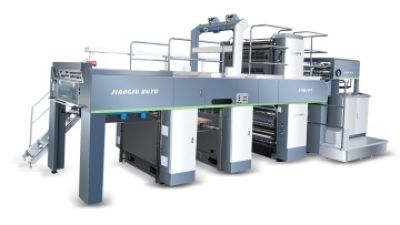
RYJC92G Double-Sided Monochrome Printing Online Inspection Machine: Enhancing Print Quality and Production Efficiency

The RYJC92G Double-Sided Monochrome Printing Online Inspection Machine is designed to address the growing demand for consistent quality and efficient production in commercial printing. Industry research from Smithers projects the global print market to remain worth more than US$800 billion through the latter half of this decade, while automation and quality control continue to influence investment decisions. In this environment, online inspection is becoming an important tool for reducing waste and protecting production stability.

Built for double-sided monochrome offset printing, the RYJC92G combines high-speed operation with real-time visual defect detection. It continuously monitors both printed surfaces, helping identify missing characters, smudges, uneven ink coverage, registration errors, and other inconsistencies before defective sheets accumulate. Its integrated design supports rapid adjustment and stable operation across books, manuals, forms, examination papers, notebooks, and confidential documents.

The 2024 industry trends report published by the global printing exhibition organization found that improving productivity and controlling costs remain among printers’ leading priorities. By detecting quality issues during production rather than after finishing, the RYJC92G can reduce rework, material consumption, and manual inspection pressure. Its rigid construction and broad paper adaptability also support reliable performance across extended production runs, helping manufacturers maintain uniform output while increasing overall line efficiency.

FAQS

How should I evaluate an offset press’s production speed?

Start with your actual job mix. A rated speed can mislead. Test heavy paper, short runs, washing, and frequent changes. Measure usable output, not only the advertised maximum.

Why does sheet size matter?

Sheet size affects yield, trimming, and waste. Calculate finished pieces per sheet. Include gripper margins and trimming space. A larger sheet may improve layouts, but it needs more floor space.

Can a larger sheet reduce total costs?

Sometimes, especially for brochures, cartons, and multiple-up work. However, small jobs may require expensive makeready. I once valued maximum size too highly. The layout looked efficient, but the costs were not.

How can I check color quality?

Request test sheets and instrument readings. Check tone values, color targets, and paper conditions. Visual approval alone is weak evidence. Compare results after plate and paper changes.

What should a practical press trial include?

Run demanding paper during a long production shift. Record speed, waste, register accuracy, and color variation. Watch temperature drift and restart behavior. The first sheet proves little.

How should energy use be measured?

Request measured power data from comparable installations. Check standby, production, washing, and plate-change consumption. Small losses accumulate every day. Ask for annual electricity records when available.

Why should compressed air systems be inspected?

Leaking valves and hoses can waste substantial compressor output. Listen near connections during a plant visit. Inspect fittings carefully. Quiet rooms can still hide costly leaks.

What maintenance and service details should buyers verify?

Check access to rollers, blankets, sensors, and pumps. Ask about technician locations and spare-part lead times. Request remote diagnostic details and written response times. No checklist catches everything. I would still hesitate when service records are incomplete.

What costs belong in a five-year ownership estimate?

Include freight, insurance, installation, utilities, labor, energy, and maintenance. Add consumables, downtime, and replacement parts. Use expected monthly volume. A low purchase price may hide expensive service visits. Keep a contingency budget.

Conclusion

Choosing the right Printing Offset Press requires a clear understanding of your production goals, including expected volumes, paper formats, product types, color demands, and future business plans. Compare press configurations, sheet sizes, printing capabilities, speed, and color consistency to ensure the equipment can deliver the required quality efficiently. Consider whether the press supports your current workflow and whether its automation features can reduce setup time, material waste, and operator workload.

A reliable investment also depends on long-term operating performance. Evaluate energy consumption, maintenance schedules, spare-part availability, durability, and the technical skills required by your team. Supplier support is equally important, including installation, training, service response, documentation, and regulatory compliance. Instead of focusing only on the purchase price, calculate the total cost of ownership by considering labor, energy, consumables, maintenance, downtime, and potential productivity gains. A well-matched press should balance quality, flexibility, reliability, and overall business value.
Owen

Owen

Owen is a dedicated marketing professional at Jiangsu Ruyu Machinery Manufacturing Co., Ltd., a leading state-level high-tech enterprise in China renowned for its advanced sheet-fed double-sided printing machines. With extensive expertise in precision machinery manufacturing, Owen plays a pivotal......
Previous China Top 10 Paper Feeder Printer Manufacturers