Leave Your Message
0%

Choosing the right Ink Roller for your machine isn’t just about matching the size on paper. It actually influences how clear your prints will be, how well the ink transfers, how noisy the machine runs, and how often you'll need to do maintenance. Looks can be deceiving—what seems suitable in theory might not perform well in the real-world production environment. Things like machine speed, roller diameter, shaft size, surface hardness, and the type of ink all need to work together smoothly. Even a tiny mismatch can lead to uneven coverage, blurry edges, or quicker wear and tear.

Start by digging into your machine’s manual and inspecting the current roller carefully. Take measurements of the core, length, shaft, and contact surface before reaching out to a trusted supplier. Also, figure out what kind of ink you're working with—water-based, solvent-based, UV, or oil-based. Each kind reacts differently with rubber or polyurethane surfaces. Temperature’s an important factor too. A roller that looks great in a quick test might soften up after hours of continuous use—that’s easy to overlook.

From my own experience, I can tell you that pressure settings are just as crucial as choosing the right roller. Cranking up the pressure might seem to improve ink transfer at first, but it can actually damage the surface and waste energy. On the flip side, too little pressure can leave pale spots and uneven lines. The hardest roller isn't always the best either—sometimes, a slightly softer one can give you a cleaner contact. But not always.

The key to making reliable choices is comparing technical specs with actual testing in your shop. Keep track of print density, temperature fluctuations, noise levels, and wear after a few production runs. Don’t hesitate to ask your suppliers for detailed material info, tolerances, and even references from similar applications. If you're still unsure about the results, it’s better to go back and test again rather than rushing into a purchase. Taking your time with these decisions helps protect your print quality, keeps your machine running smoothly, and saves you money in the long run.
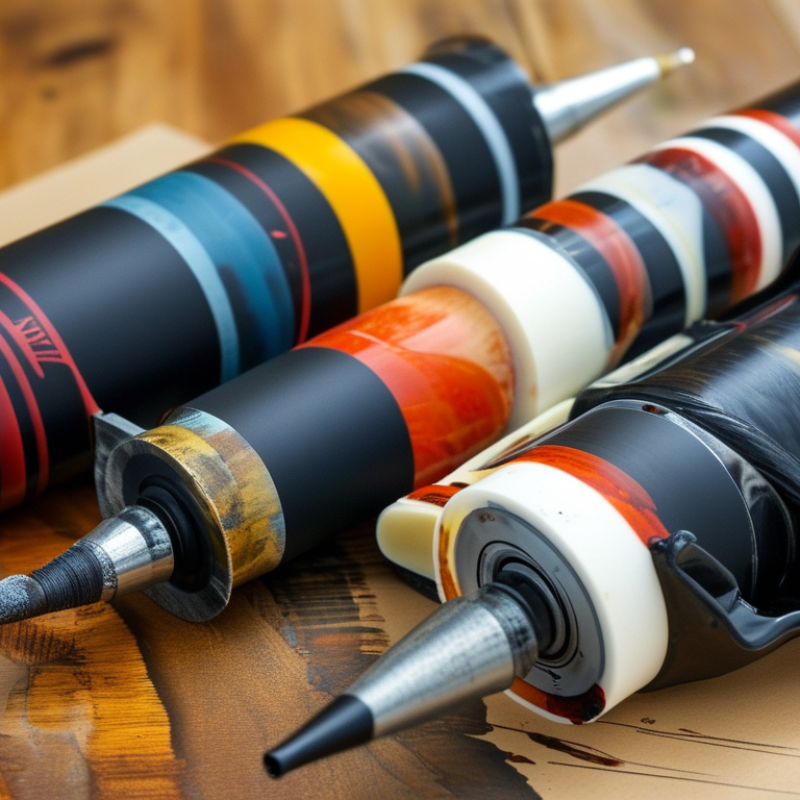
How to Choose the Right Ink Roller for Your Machine?

Define Your Machine’s Ink Roller Requirements

Choosing the right Ink And Roller begins with defining your machine’s actual requirements. Do not rely on appearance alone. Measure the roller’s length, diameter, core size, and shaft shape. A difference of two millimeters can affect pressure and print coverage.

Check the machine’s operating speed and daily workload. A slow desktop unit may need a softer roller surface. High-speed equipment often requires stronger materials and better heat resistance. Also identify the ink type, drying time, and contact surface. Water-based ink behaves differently from solvent-based ink. Paper, film, labels, and coated materials each create different friction.

I once replaced a worn roller by matching its color and size. That shortcut was wrong. The new roller fit, but the print looked uneven near the edges. After checking the machine, I found that its pressure setting needed a firmer surface. This experience taught me to record the old roller’s condition before ordering. Look for glazing, cracks, swelling, or uneven wear. These details reveal how the roller is working.

Ask the supplier for material data, tolerance information, and recommended operating conditions. A reliable specification should explain hardness, temperature limits, and chemical resistance. Test the roller at normal speed before full production. Watch for slipping, ink buildup, vibration, and pale areas. Small defects matter. Sometimes, the machine itself needs adjustment rather than a different roller.

Match the Roller Size and Shape to the Machine

Choosing an ink roller starts with the machine’s geometry, not the roller’s price. Measure the installed roller, including face width, outside diameter, core diameter, and shaft length. A mismatch of only a few millimeters can create uneven pressure, slippage, or contact with nearby guards. Check the shape too. Straight rollers suit uniform ink transfer, while crowned rollers can compensate for slight deflection across wider machines.

Keep the details exact.

The roller surface must also match the machine’s operating speed and ink system. The Printing Industries of America notes in its 2023 State of the Industry report that labor and material costs remain major production pressures, making avoidable setup waste increasingly expensive. A roller that is too large may overload the drive. One that is too small can reduce coverage and force repeated adjustments. ISO 12647-2 emphasizes controlled, repeatable print conditions, so record pressure, speed, and ink volume during testing.

Ask for the original equipment drawing when possible. Measure twice. I have seen operators copy an old roller without checking shaft wear, then blame the new part for unstable color. That judgment is often unfair. Also inspect the mounting method: keyed shafts, bearings, and quick-release fittings are not interchangeable. A practical test should include a short run, density readings, edge inspection, and cleanup time. If the roller leaves a dry strip near one side, its shape or alignment may be wrong, even when the dimensions appear correct.

Choose the Right Ink Type and Material Compatibility

How to Choose the Right Ink Roller for Your Machine?

Choosing an ink roller starts with ink chemistry, not roller size. Water-based inks often need materials that resist swelling and softening. Oil-based inks may require stronger elastomers and tighter surface control. Solvent-based formulas can damage unsuitable rubber quickly. Always check the ink safety sheet and the machine manual before ordering. The roller’s core, diameter, hardness, and surface finish must match the equipment. A Blitz Ink Roller can perform well only when its material suits the actual ink used.

Tips: Place a small ink sample on the roller material. Watch for swelling, cracks, stickiness, or color transfer after several hours. Check the working temperature too. Heat can change roller hardness. Measure the old roller carefully, including its core and end fittings. Tiny errors matter.

In practice, I once selected a roller by diameter alone, and the print became uneven near the edges. The ink looked correct, but the surface compound was incompatible. That mistake reminded me to test real operating conditions, not just product descriptions. Ask for documented material compatibility and hardness information. If the ink changes seasonally, test each formula separately. A short trial run can reveal poor release, surface glazing, or premature wear before production begins. Sometimes the “standard” option is not the safest choice.

Compare Roller Hardness, Surface Texture, and Ink Coverage

Choosing the right Ink Rubber Roller starts with hardness, surface texture, and ink coverage. Shore A hardness offers a practical comparison. ASTM D2240 testing commonly places printing rollers between 20 and 40 Shore A, depending on the process. Softer rubber follows uneven plates better. Harder rubber supports sharper edges and steadier pressure. I have found that excessive softness can create fuzzy small text, especially near roller ends.

Surface texture controls how ink moves across the nip. A fine, even finish helps reduce streaks and visible banding. Coarser textures may carry more ink, but they can leave a heavier film on smooth stock. ISO 12647-2 stresses stable ink transfer and consistent solid coverage rather than maximum ink volume. The 2023 PRINTING United Alliance State of the Industry report also highlights waste reduction and process consistency as major production priorities. That matters because over-inking increases drying time, paper set-off, and adjustment waste.

Tips: Measure the existing roller before ordering. Check hardness at several points, not only the center. Inspect the surface under angled light; polished spots often reveal uneven wear. Test coverage with a controlled press run and compare solid density readings. A simple densitometer is useful. Still, hardness alone does not decide performance. Ink viscosity, machine speed, pressure, and substrate can change the result. My first selection is not always perfect, so I record trial settings and revise them after inspecting the printed sheet.

Check Installation Method and Operating Conditions

How to Choose the Right Ink Roller for Your Machine?

The installation method should guide your choice before roller size or surface finish. Measure the shaft diameter, usable width, bearing position, and available clearance. A shaft-mounted roller needs accurate concentricity. A quick-release design may save cleaning time but can allow slight movement if locked poorly. Check the machine manual and compare its mounting system with the roller drawing.

Operating conditions matter just as much. Record the ink viscosity, machine speed, contact pressure, temperature, and cleaning solvent. A dense ink may require a harder, more wear-resistant surface. Fast production can create heat, vibration, and uneven ink transfer. For an Ink Mixing Roller, confirm that the roller can handle continuous rotation without excessive buildup at the ends.

Install the roller on a clean, level machine. Inspect the bearings, keyway, and locking parts before tightening them. Rotate it by hand and look for resistance or visible wobble. Then run the machine slowly, checking the ink film across the full width. I once saw a new roller perform poorly because the frame was slightly misaligned, not because the roller was wrong. That mistake was easy to miss. Recheck pressure after warm-up, since temperature can change the roller’s behavior. Keep a short installation record, including speed, ink type, and observed defects. A checklist helps, but it does not replace careful observation.

Evaluate Durability, Maintenance, and Replacement Costs

Choosing an ink roller should begin with service life, not the lowest purchase price. Smithers’ 2024 study, The Future of Flexographic Printing to 2028, forecasts modest annual market growth of about 2%. That pressure makes dependable components more valuable. A roller that survives longer reduces changeovers, rejected sheets, and emergency freight.

Inspect the roller after each shift. Look for hardened ink, uneven wear, swelling, or a polished strip across the surface. A soft cloth and approved cleaning solution usually prevent buildup. Avoid aggressive scraping; one careless mark can create a repeating print defect.

PRINTING United Alliance’s 2024 industry outlook identifies labor and operating costs as major concerns, so simple maintenance can protect scarce technician time. Still, cleaning frequency depends on ink chemistry and production speed. There is no universal schedule.

Calculate replacement cost over its working life. Divide the purchase price, cleaning labor, downtime, and disposal cost by usable production hours. A cheaper roller may become expensive after three early replacements. Keep one tested spare, but do not store it under heat or pressure. The storage mistake is easy to overlook. Record installation dates and defects in a maintenance log. These records support better purchasing decisions and reveal whether failures come from the roller, alignment, or excessive pressure. I would still review the calculation every quarter; production conditions change, and yesterday’s “durable” choice may not fit tomorrow’s workload.

FAQS

: How does roller hardness affect printing quality?

: Printing rollers commonly fall between 20 and 40 Shore A. Softer rubber follows uneven plates more closely. Harder rubber supports sharper edges and steadier pressure. Excessive softness may blur small text near roller ends.

What surface texture is best for stable ink transfer?

A fine, even surface helps reduce streaks and visible banding. Coarser textures can carry more ink. They may create heavy films on smooth paper. Inspect the surface under angled light.

How can I check ink coverage accurately?

Run a controlled press test with the actual ink and substrate. Compare solid density readings across the sheet. A densitometer can reveal uneven coverage. Maximum ink volume is not always better.

What measurements should I take before ordering a roller?

Measure shaft diameter, usable width, bearing positions, and available clearance. Check the mounting drawing carefully. Shaft-mounted rollers need accurate concentricity. Small measurement errors can cause wobble.

Which operating conditions should influence roller selection?

Record ink viscosity, machine speed, contact pressure, temperature, and cleaning solvent. Dense ink may need a harder, wear-resistant surface. High speed can create heat and vibration. Conditions change.

How should I install and test a new roller?

Install it on a clean, level machine. Inspect bearings, keyways, and locking parts before tightening. Rotate the roller by hand and check for resistance. Run slowly, then inspect ink distribution across the full width.

Why might a new roller print poorly?

The roller may not be the real problem. Frame misalignment can create uneven pressure and poor transfer. Recheck alignment, pressure, and bearing movement. Warm-up can also change roller behavior.

How should I maintain an ink roller?

Inspect it after every shift for hardened ink, swelling, polished strips, and uneven wear. Use a soft cloth and approved cleaning solution. Avoid aggressive scraping. One small scratch can repeat across many sheets.

How can I compare roller replacement costs?

Divide purchase price, cleaning labor, downtime, and disposal costs by usable production hours. A cheaper roller may require several early replacements. Keep one tested spare away from heat and pressure. Review the calculation quarterly, because yesterday’s durable choice may fail tomorrow.

Conclusion

Choosing the right Ink Roller begins with understanding your machine’s specific requirements, including its model, operating speed, roller dimensions, and printing process. The roller must match the machine’s size and shape precisely to ensure stable rotation, even contact, and accurate ink transfer. It is also important to select an ink roller material that is compatible with the ink being used, since different ink types may affect roller performance, surface condition, and service life.

When comparing options, consider roller hardness, surface texture, and the level of ink coverage required for your application. A suitable roller should also match the machine’s installation method and operating environment, including temperature, pressure, and workload. Finally, evaluate durability, cleaning needs, maintenance requirements, and replacement costs. Choosing a well-matched Ink Roller can improve print consistency, reduce downtime, and support more efficient long-term machine operation.
Owen

Owen

Owen is a dedicated marketing professional at Jiangsu Ruyu Machinery Manufacturing Co., Ltd., a leading state-level high-tech enterprise in China renowned for its advanced sheet-fed double-sided printing machines. With extensive expertise in precision machinery manufacturing, Owen plays a pivotal......
Previous 2026 Top Ink Rubber Roller Buying Guide for Global Suppliers?