An Ink Roller is pretty much a go-to tool in all sorts of printing and stamping projects. Whether you’re a pro or just a hobbyist, it’s mainly there to spread ink evenly over a surface. Companies like Print Solutions Inc. really count on ink rollers because they’re reliable and precise.
Getting what makes an ink roller tick can actually help you appreciate how important it is in the whole printing process. Basically, it’s a cylindrical piece made of rubber or foam that picks up ink from a tray or pad. When you press it onto a surface, it transfers the ink smoothly — which cuts down on mess and makes sure your prints pop with vibrant color. That said, finding the perfect ink roller for your specific needs can sometimes be a bit tricky.
You gotta think about things like the type of ink you’re using and what the roller is made of. Picking the wrong combo can lead to quality that’s just not up to snuff. Even folks who’ve been around the block a few times need to check back now and then to make sure they’re using the right roller. All in all, ink rollers are still a huge part of creative and industrial work, but there’s always more to learn and improve on when it comes to using them effectively.
What is an Ink Roller?
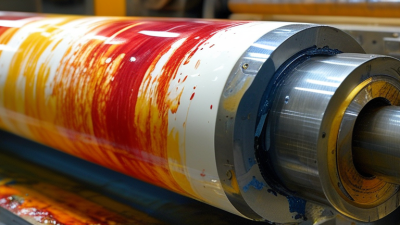
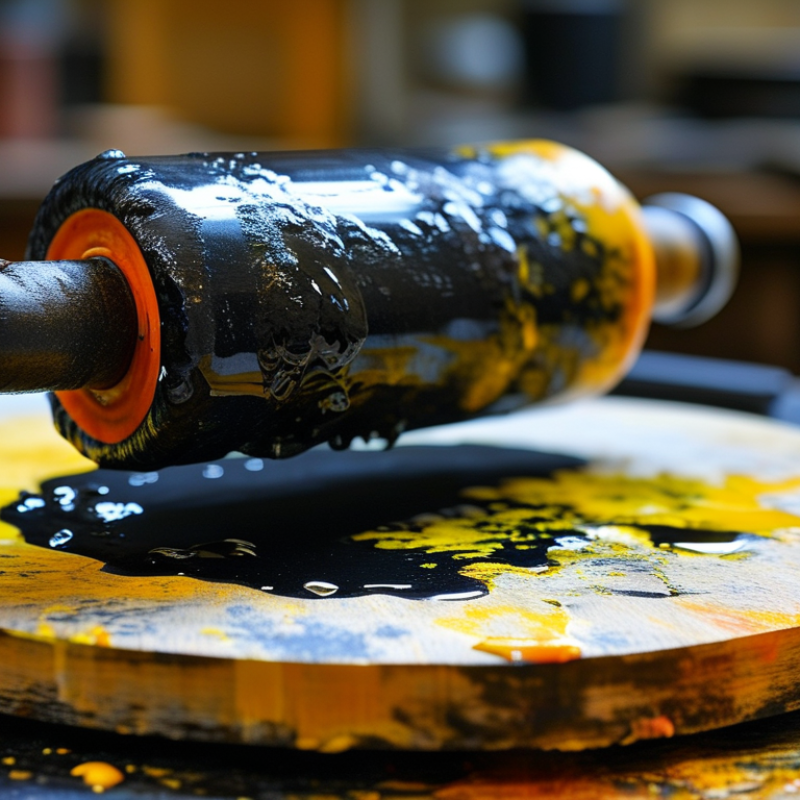
An ink roller is a crucial tool used for applying ink to various surfaces. It consists of a cylindrical body coated with a layer of ink. The roller turns, distributing ink evenly on the desired area. This process creates clear and consistent prints, crucial in many industries such as printing, crafting, and even office work.
When using an ink roller, consider the texture of the surface you are working with. Rough surfaces can absorb ink unevenly, leading to blotchiness. Testing on scrap paper can help you adjust your technique. Remember, Ink And Roller can sometimes be a messy combination. Always use an apron or cover your workspace to prevent stains.
For optimal performance, clean your ink roller after each use. Ink can dry up, making the roller less effective over time. If the ink does not come off easily, consider using a specialized cleaning solution. Not all cleaning methods suit every roller type, so choose wisely.
History of Ink Rollers
The ink roller has a fascinating history that dates back centuries. Originally, printing techniques relied on basic methods like wooden blocks and hand-painted inks. Craftsmen in ancient civilizations created primitive ink rollers using animal skins and simple materials. This early innovation laid the groundwork for modern printing.
In the 19th century, ink rollers began to evolve significantly. With the advent of the industrial revolution, the need for efficiency surged. Ink rollers became crucial in the mass production of newspapers and books. They improved the quality and speed of the printing process. However, early designs were not without flaws. Inconsistencies in ink distribution often led to smudged prints.
As technology advanced, so did the ink roller's capabilities. Innovations introduced materials like rubber and synthetic compounds, improving durability and functionality. However, challenges remained. Ensuring uniform ink coverage was an ongoing issue for manufacturers. Even today, the hunt for a perfect ink roller continues. This quest reminds us that progress often comes with hurdles and learning opportunities.
Types of Ink Rollers Available
Ink rollers are essential tools in various printing and marking applications. They come in several types, each designed for specific needs. The most common types include foam rollers, fabric rollers, and rubber rollers. Foam rollers are often used in home printing stations. They provide a smooth application of ink while minimizing mess. Fabric rollers, prevalent in professional settings, absorb more ink and deliver a richer finish. Rubber rollers, known for their durability, are ideal for industrial use.
According to industry reports, foam rollers have gained popularity, accounting for approximately 35% of the market share. Fabric rollers follow, capturing around 25%, while rubber rollers hold about 20%. These statistics highlight the diversity in user preferences and applications. For instance, foam rollers are favored for their ease of use, while rubber rollers are selected for heavy-duty tasks.
Tip: Always match the ink roller type to your intended use for best results. Selecting the wrong roller can lead to uneven prints or excessive ink transfer. Also, regularly clean your rollers. This practice extends their life and ensures consistent performance. Not cleaning can result in a build-up of dried ink, affecting quality. Stay informed about the latest materials and techniques in the market to maintain efficiency in your printing tasks.
How Ink Rollers are Constructed
Ink rollers play a crucial role in printing technology. Understanding their construction helps appreciate their function. At their core, ink rollers consist of a cylindrical body, usually made from durable materials. They feature a special ink-absorbing foam or sponge that holds the ink. This allows for a consistent application of ink during the printing process.
One report from the Printing Industry Association reveals that nearly 70% of printing errors relate directly to roller issues. Maintenance of the roller's surface is essential. A worn surface leads to uneven ink distribution. Designers often overlook the quality of the roller, which can compromise the final product. The details of roller construction matter significantly; a well-constructed Blitz Ink Roller can enhance print quality remarkably.
Moreover, the manufacturing process of these rollers involves several steps. The foam is often treated to ensure longevity and optimal ink retention. However, imperfections in the production process can lead to inconsistent performance. For example, air bubbles trapped within the foam may create issues during printing. Awareness of these imperfections can lead to better design choices in future roller productions. In the competitive realm of printing, every detail counts.
The Mechanism of Ink Application
The mechanism of ink application is a crucial aspect in printing technology. An Ink Rubber Roller is an essential component in this process, aiding in the even distribution of ink onto the printing surface. These rollers are designed with precision to ensure that ink adheres uniformly, resulting in high-quality prints. Studies indicate that inconsistent ink application can lead to up to a 30% decrease in print quality, highlighting the importance of proper roller maintenance.
The Ink Rubber Roller operates through a simple yet effective mechanism. It mixes and transfers ink from the ink fountain to the printing plate. The roller’s surface is engineered to hold a specific amount of ink, preventing excess or insufficient application. It is noted that the hardness of the roller can affect the fluid dynamics of the ink. Research suggests that using rollers with varying durometers can optimize the application process based on the type of ink used.
However, challenges do arise. Misalignment of the roller can lead to streaking, while inadequate cleaning can cause ink buildup, impairing performance. It is essential for printers to regularly inspect and maintain the roller to avoid these issues. Continuous advancements in ink roller technology aim to enhance performance and extend the lifespan of rollers, making them a central focus for improvements in the printing industry.
Common Uses of Ink Rollers
Ink rollers are essential tools in various fields. They facilitate efficient ink application for print jobs, ensuring consistent and high-quality results. In the packaging industry, for example, around 53% of companies rely on ink rollers for the swift and uniform application of ink on labels and boxes. Ink rollers optimize production processes, reducing waste and improving output.
Beyond packaging, Ink Mixing Rollers are pivotal in textiles. They aid in color application on fabrics, achieving vibrant designs. Recent studies indicate that using ink mixing rollers in textile printing can enhance productivity by up to 30%. This boost stems from the rollers' ability to evenly distribute ink, enhancing the final product's appearance. However, it is crucial for designers to regularly evaluate roller performance. Wear and tear can compromise consistency, which reflects on the final print quality.
In 2022, industry reports revealed that 45% of manufacturers faced challenges related to ink roller maintenance. Regular checks can prevent this. A small oversight can lead to significant deviations in printing quality. Investing in quality maintenance practices is vital for ensuring the longevity and effectiveness of ink rollers in any application.
Usage of Ink Rollers in Different Industries
Maintenance and Care for Ink Rollers
Maintaining ink rollers is essential for optimal performance. These rollers can wear out or get dirty, impacting print quality. Regular care ensures longevity and efficiency. It’s recommended to clean ink rollers after every use. Dust and residue can lead to uneven ink distribution. A 2021 report from the Printing Industry Association noted that improper maintenance could lead to a 30% increase in reprints.
Tips: Use a soft, lint-free cloth for cleaning. Avoid harsh chemicals that could damage the roller surface. Replace worn rollers promptly to maintain quality.
As ink rollers age, they may develop streaks or uneven spots. This can hinder the printing process, leading to higher costs. Regular inspection every few weeks can help catch these issues early. A study showed that 40% of printing errors are linked to poor roller maintenance. Awareness of these problems is crucial for businesses relying on quality prints.
Tips: Keep a maintenance log to track cleaning and replacements. Consider training staff on proper care to enhance printing reliability.
FAQS
: An ink roller applies ink evenly to different surfaces for clear prints.
Test on scrap paper to adjust technique for different surface textures.
Rough surfaces may absorb ink unevenly, resulting in blotchy prints.
Use an apron and cover the workspace to avoid mess.
Clean the roller after each use for optimal performance.
Use a specialized cleaning solution suitable for your roller type.
Poor maintenance can lead to uneven ink and increased reprints.
Look for streaks or uneven spots which affect print quality.
Regular inspections every few weeks can identify issues quickly.
Training on proper care enhances maintenance and prevents costly errors.
Conclusion
An Ink Roller is a versatile tool used primarily for applying ink to surfaces in various printing processes. The history of ink rollers dates back to their early usage in traditional printmaking, evolving over centuries to meet modern printing demands. Today, there are various types of ink rollers, each designed for specific applications, ranging from hand-held rollers for small projects to larger, machine-operated versions for industrial use.
The construction of an ink roller typically involves a durable, absorbent material that holds ink, and a mechanism designed to ensure even distribution during application. Common uses include art printing, labeling, and crafting, making ink rollers essential for both professionals and hobbyists alike. Proper maintenance and care are crucial to prolonging the life of an ink roller and ensuring optimal performance, highlighting its importance in the printing and artistic communities.