Picking out the right Printing Machine Sheet Feeder can really feel overwhelming sometimes. Honestly, the market’s packed with so many options, and each one seems to promise top performance. John Smith, a guy from PrintTech Solutions who’s pretty well-known in the industry, always says, “The right feeder can seriously make or break your production efficiency.” That really hit home for me, showing just how crucial a good sheet feeder is when it comes to printing workflows.
When you’re choosing a printing machine sheet feeder, it’s a good idea to think about your specific business needs and the technical stuff, too. Look for feeders that are reliable and quick—no one wants to get stuck waiting. An efficient feeder can cut down on downtime and keep things flowing smoothly. Also, make sure it plays nicely with your existing printer. If it doesn’t, it could actually end up slowing you down instead of helping.
Don’t rush into it. Take your time to do some research and hear what other users are saying. Every feeder has its good and not-so-good points. Talking to people who’ve already tried a certain model can give you real, practical insights. Honestly, the best choice often comes down to finding that sweet spot between features, cost, and customer support. It’s definitely worth giving some careful thought—getting it wrong could lead to costly mistakes and wasted time, and nobody wants that.
Understanding the Importance of a Sheet Feeder in Printing Machines
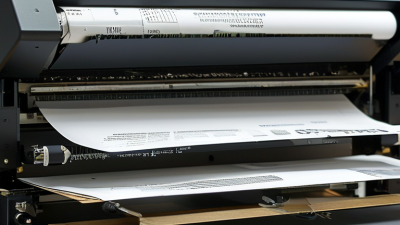
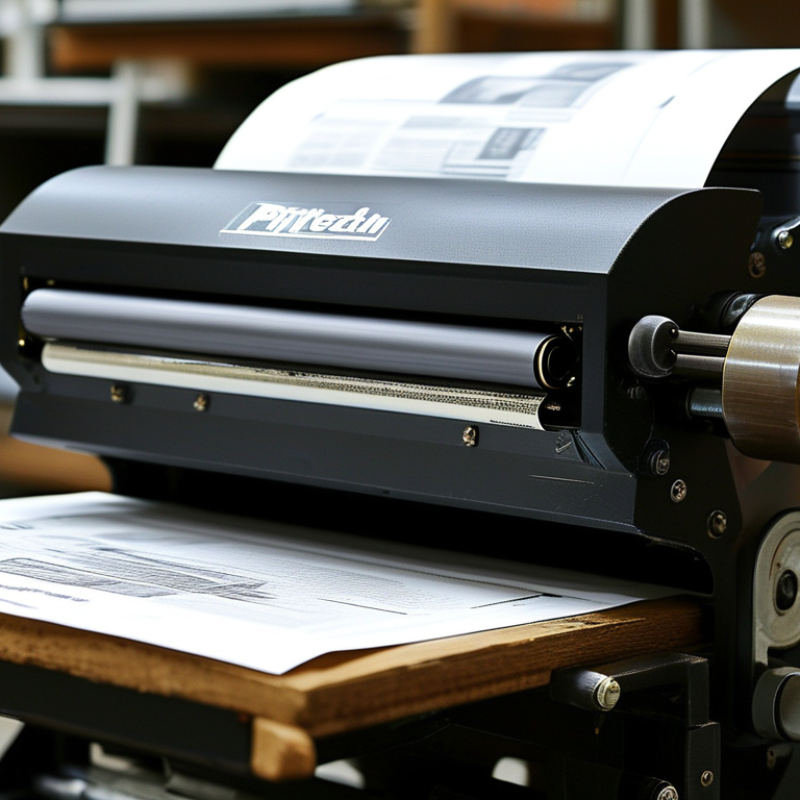
A sheet feeder plays a vital role in printing machines. It holds and feeds sheets of paper to the printer. The quality of the sheet feeder can significantly impact printing efficiency. A reliable feeder ensures smooth operation and minimizes jams. It is essential for maintaining productivity in high-volume environments.
Understanding different types of Paper Feeders is crucial. Some feeder designs are better suited for various paper sizes and weights. This choice can affect print quality. A poorly matched feeder can lead to misalignment or wasted materials. It’s important to assess what your printing projects require before making a decision.
Consider the feeder’s capacity and speed. A high-capacity sheet feeder allows for longer print runs without interruption. This feature is particularly beneficial for businesses that need to meet tight deadlines. Performance is key. Look for options that offer flexibility for different media types. Evaluating these details can lead to more informed choices in machinery selection.
Key Features to Consider in a Sheet Feeder Design
When selecting a sheet feeder for your printing machine, understanding key features is crucial. A reliable sheet feeder should handle various paper sizes, weights, and finishes. Look for adjustable guides that accommodate different media. This flexibility allows for efficient printing on different types of paper, enhancing overall productivity.
Another important feature is the feeder's speed and performance. Evaluate how quickly it can supply sheets to the printer. A slower feeder can create bottlenecks in high-volume environments. Ensure you consider the feeder's capacity as well. A larger hopper means less frequent refilling, which can save time.
Don’t overlook the user interface. An intuitive design makes operation smoother, reducing the learning curve. Also, think about maintenance. Easy access for cleaning and repairs can extend the life of your feeder. Reflect on your specific needs. Sometimes, a more complex machine may not be necessary. Balancing features with your actual requirements is key.
Top 5 Tips for Choosing a Printing Machine Sheet Feeder
| Feature |
Description |
Importance |
| Paper Capacity |
The number of sheets the feeder can hold at one time. |
High capacity reduces the frequency of refills and enhances productivity. |
| Feed Accuracy |
The precision with which the machine feeds paper sheets. |
Accurate feeding minimizes printing errors and waste. |
| Speed |
The rate at which the feeder can cycle through sheets. |
Faster feed rates can significantly improve overall production efficiency. |
| Compatibility |
The types and sizes of paper the feeder can accommodate. |
Ensures flexibility for various printing needs and reduces downtime. |
| Maintenance Ease |
How simple it is to clean and maintain the feeder. |
Lower maintenance time can lead to increased uptime and efficiency. |
Evaluating Compatibility with Different Printing Machines
When selecting a sheet feeder for your printing machine, compatibility is key. It’s crucial to check how well the feeder integrates with your existing equipment. Different printing machines have unique specifications. Sometimes, the specifications are not easily accessible in user manuals. This can lead to issues during installation.
A common point of oversight is the feeding mechanism. For instance, using a Rear Paper Feeder can provide a more seamless paper loading experience. However, it may not be compatible with all machines. Conducting thorough research is necessary. Additionally, engaging with online forums can offer insights from users who have faced similar challenges.
Consider the types of media you will be using. Some feeders excel with heavier stock, while others may struggle. It’s vital to validate the feeder’s ability to handle your preferred materials. Experimenting may yield unexpected results. Documenting these experiences can help refine future choices. Compatibility testing is an ongoing process, not a one-time task.
Top 5 Tips for Choosing a Printing Machine Sheet Feeder
Assessing Speed and Efficiency of Sheet Feeders
When evaluating sheet feeders for printing machines, speed and efficiency are crucial. A recent report from the Printing Industries of America reveals that machines running at 200 pages per minute significantly improve productivity. This speed can lead to a 20% reduction in operational costs. However, it’s essential to assess if the sheet feeder can maintain speed without sacrificing paper quality.
Choosing the right equipment means considering how these machines handle different paper types. Not all feeders perform well with glossy, textured, or recycled papers. Often, users discover that while their feeders support various materials, jams or misalignment occur frequently, reflecting a need for more compatibility testing.
Tip: Look for units that offer adjustable speed settings. This feature can optimize performance for diverse tasks.
Moreover, automation features may enhance efficiency but come with a steep learning curve for operators. Investing in training can yield significant returns. Remember, while advanced technology can streamline processes, it is vital not to overlook basic maintenance needs that can impact long-term efficiency. Consider each aspect critically to avoid potential pitfalls in your choice.
Analyzing Cost vs. Performance in Sheet Feeder Options
When considering a new Paper Feeder Printer, balancing cost and performance is essential. Industry reports indicate that the efficiency of sheet feeders can significantly vary based on their specifications. For example, high-performance models can process up to 15,000 sheets per hour, yet they may come with a price tag that's 30% higher than more basic options. This investment can be justified by the lower operational costs in the long term.
One crucial tip is to assess your printing volume. If your business requires high volumes, investing in a robust model could greatly enhance productivity. Additionally, examine the feed mechanisms. A dual-feed capability may improve efficiency but could also increase the machine's upfront cost.
Regular maintenance must not be overlooked. Proper upkeep of the feeder can extend its lifespan, potentially reducing the total cost of ownership. Cost savings often depend on these factors, which makes demand for a detailed evaluation essential. Ultimately, balancing performance with initial costs is a fine line drawn by specific operational needs. Factoring in these considerations helps ensure that the choice of a Paper Feeder Printer aligns with your unique requirements and financial limits.
Reading Customer Reviews and Manufacturer Recommendations
When considering a sheet feeder for your printing needs, customer reviews and manufacturer recommendations are essential. Industry insights show that customers often share their experiences online, which can reveal crucial information about product reliability and performance. A 2021 survey indicated that over 70% of printing professionals rely on peer reviews before making purchases. This trend emphasizes the importance of gathering insights from those already using the machines.
When evaluating a Sheet Fed Offset Printing Machine, pay attention to feedback on feed accuracy and speed. Machines that demonstrate consistent feeding without jams tend to receive higher ratings. Be wary of models that appear to have great specifications but come with numerous complaints about their actual performance. Not every highly rated product delivers on its promises, and this discrepancy can lead to costly mistakes.
Look for manufacturer recommendations as well. Established manufacturers often have an array of resources, including user manuals and warranty specifics. These documents can provide insight into the expected operational lifespan and maintenance needs of the machine. A well-regarded manufacturer typically enjoys a reputation built on reliability and quality. Scan for reviews highlighting long-term usability rather than just short-term satisfaction to ensure your investment is sound.
Maintenance and Support for Your Chosen Sheet Feeder
When selecting a printing machine sheet feeder, maintenance and support are crucial factors. Regular upkeep can extend the lifecycle of your equipment significantly. According to industry reports, machines with consistent maintenance can save up to 30% in long-term operational costs. It’s vital to create a detailed maintenance schedule, incorporating daily checks and periodic professional inspections.
Consider the availability of technical support. A machine with accessible support can minimize downtime. Many studies indicate that businesses with robust support ecosystems can reduce unresolved technical issues by 40%. Fast response times are essential. Evaluate support options diligently before purchase.
When assessing your options, focus on compatibility and ease of service. A user-friendly feeder design can simplify maintenance tasks. Proper training for staff is equally important. Lack of knowledge can lead to mishandling, resulting in costly repairs.
Don’t overlook the potential challenges. Some feeders may require specialized parts that are hard to find. Always inquire about the availability of replacement components. It's also wise to research the manufacturer’s reputation for customer support. This will inform your decision and lead to a more reliable long-term investment.
Optimizing Quality Control in Printing: Insights from the RYJC9202B Double-sided Double-color Printing Online Inspection Machine and Industry Reports
In the evolving landscape of the printing industry, ensuring optimal quality control is paramount, especially for applications such as book printing, manuals, and packaging. The advent of online inspection systems, particularly those designed for double-sided, two-color offset printing, is revolutionizing the approach to quality assurance. The integration of high-speed printing operations with real-time visual defect detection is a game-changer, as it addresses the pressing need for efficiency while maintaining the highest standards of print quality.
According to recent industry reports, the demand for high-quality printing solutions is on the rise, with a projected growth rate of around 5% annually over the next five years. This upsurge emphasizes the need for systems that not only enhance production efficiency but also drastically reduce waste rates—critical considerations for modern printing factories. The ability to maintain a consistent quality level while adapting to diverse paper types and sizes is essential, making advanced inspection technologies indispensable.
The implementation of robust control systems in these inspection machines allows for precise monitoring and adjustments during the printing process. As defects can significantly impact customer satisfaction and operational costs, such technology equips printing companies to comply with stringent quality standards, thus positioning themselves competitively in the market. The continued advancement of these inspection technologies illustrates a significant step forward in quality control, ultimately benefiting both producers and consumers alike.
FAQS
: Compatibility ensures the feeder integrates well with your printing machine. Unique specifications may cause installation issues.
Not all feeders, like a rear paper feeder, are compatible with every machine. Research is essential before purchasing.
Validate the feeder’s ability with different materials. Some feeders may struggle with heavier stock.
Document experiences and engage in online forums. Users often share valuable insights about similar challenges.
Aim for machines that can run at 200 pages per minute. This speed can reduce operational costs significantly.
No, many feeders struggle with glossy or recycled papers. Frequent jams may indicate compatibility issues.
Choose units with adjustable speed settings. This can optimize performance for different tasks.
Yes, but they may require training. Advanced technology can streamline processes but needs proper understanding.
Basic maintenance is crucial for long-term efficiency. Neglecting it can lead to significant operational issues.
Trying different settings and materials can yield unexpected results. Documenting these helps refine future choices.
Conclusion
Choosing the right Printing Machine Sheet Feeder is crucial for optimizing the efficiency and productivity of your printing operations. Understanding the importance of a sheet feeder involves evaluating key design features, such as its compatibility with various printing machines and its speed and efficiency. Each of these aspects plays a significant role in how smoothly a printing process runs.
When selecting a sheet feeder, it's essential to analyze the balance between cost and performance, ensuring that you invest wisely without compromising on quality. Additionally, reading customer reviews and considering manufacturer recommendations can provide valuable insights into the reliability of the feeder. Finally, consider the maintenance and support available for your chosen Printing Machine Sheet Feeder, as this will affect its long-term usability and performance in your printing setup.