Leave Your Message
0%

Picking a reliable Printing Machine Sheet Feeder supplier isn't just about comparing prices from catalogs. Honestly, it’s more nuanced than that. To help out, this guide takes a look at ten well-established companies that serve commercial, packaging, and industrial printing needs. We considered how consistent their products are, how accurate the feeding is, whether the machines are compatible, the quality of their technical support, and what real customers have to say. Companies like Heidelberg, Koenig & Bauer, Komori, Manroland Sheetfed, Bobst, RMGT, Ryobi, Mitsubishi Heavy Industries, Hans-Gronhi, and GUK all made the list. Keep in mind, these machines can vary a lot—they differ in format size, automation level, speed, and how they handle different materials.

The nitty-gritty of actual production details really matters here. A feeder needs to reliably separate sheets without jamming or double-feeding, even if the paper has some static or slight moisture—it happens! Operators tend to spot issues pretty quick because misfeeds can lead to wasted materials, downtime, and lots of frustration when trying to fix things. Plus, good service is a big plus. A reliable supplier should give you clear specs, installation help, spare parts, and quick support after the sale. Sometimes, independent references or testing on your actual site can give you a better picture than just glossy brochures. And, of course, no supplier is perfect forever—customer needs evolve, and what’s perfect today might not be tomorrow.

Some brands shine when it comes to high-speed offset systems, while others might be better for more flexible or specialized feeding setups. Just keep in mind that data can sometimes be incomplete, especially depending on where you’re buying from. That’s why it’s super important to double-check current certifications, local support availability, warranty details, and how well their equipment can integrate into your existing setup before making any commitments. What works like a charm in one factory could fall flat in another, especially with different paper types, operators, or production schedules.

Think of this as a practical starting point — not a final verdict. The best choice usually comes down to a mix of proven engineering, honest communication, and measurable results. And honestly, sometimes those small, overlooked details are what make all the difference in the end.
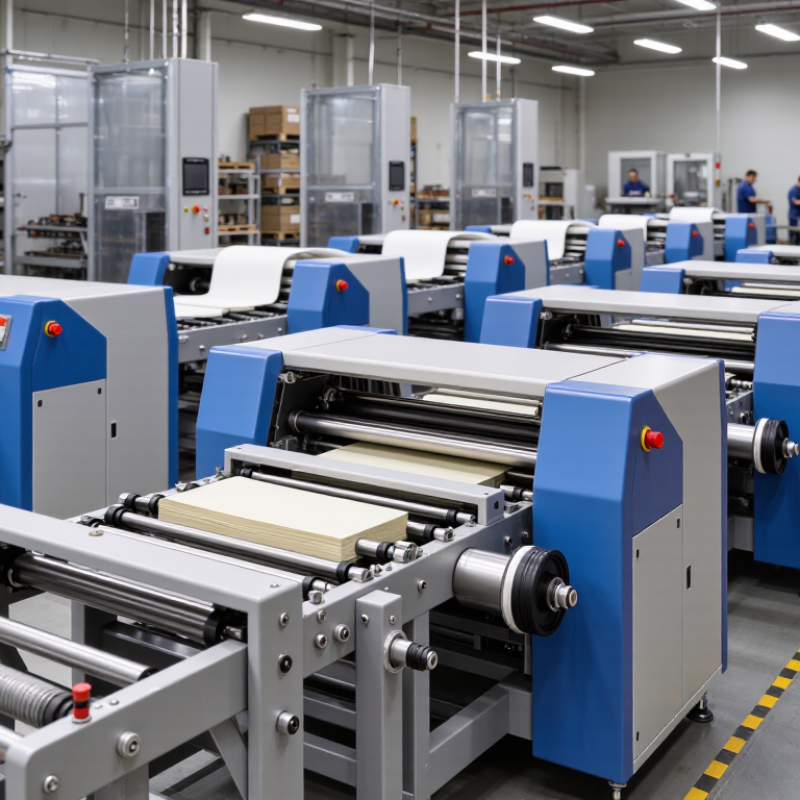
China Top 10 Printing Machine Sheet Feeder Suppliers

What Is a Printing Machine Sheet Feeder?

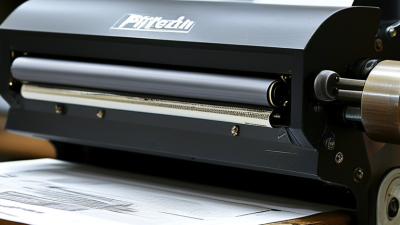
A printing machine sheet feeder is the unit that separates, aligns, and delivers individual sheets into a press. It sits before the printing section and controls the paper’s first contact with the machine. A typical feeder uses a pile table, suction heads, air nozzles, grippers, and guide sensors. Together, these parts maintain a steady sheet stream. Without accurate feeding, even a well-calibrated press may print crooked images or create double-sheet faults.

The feeder lifts sheets from a stack using controlled air and vacuum. Air loosens the pile, while suction raises one sheet at a time. Mechanical or electronic guides then square the sheet before transfer. Operators adjust pile height, airflow, suction timing, and side-lay position for each paper type. Coated stock often needs different settings from recycled or textured stock. Small changes matter. Excessive air can scatter lightweight sheets, while weak suction can cause missed feeds.

In supplier evaluations, I would inspect feeding stability, adjustment range, sensor response, and access for cleaning. A practical test should use the customer’s actual paper sizes, weights, and production speed. Watching the first several hundred sheets often reveals vibration, slipping, or inconsistent separation. These issues may not appear during a short demonstration. No setup is perfect. Even experienced operators sometimes overcorrect airflow instead of checking paper moisture or stack alignment. Reliable documentation, replaceable wear parts, and responsive technical support also influence long-term feeder performance.

How to Evaluate Sheet Feeder Suppliers in China

China Top 10 Printing Machine Sheet Feeder Suppliers

How to Evaluate Sheet Feeder Suppliers in China

Evaluating a Chinese Paper Feeder supplier requires more than comparing catalog prices. Smithers’ The Future of Global Printing to 2028 identifies packaging print as a major growth segment, increasing pressure on feeding stability and short changeovers. Ask for tested speed under your actual paper weight, sheet size, and humidity conditions. A claimed 18,000 sheets per hour means little without substrate details.

Request an eight-hour acceptance test. Use lightweight paper, coated stock, and heavier board. Record misfeeds, double sheets, pile changes, and operator adjustments. A practical scorecard should cover feeding accuracy, vacuum control, sensor response, spare-part access, and remote support. ISO’s 2023 Survey reported more than 1.2 million ISO 9001 certificates worldwide, but certification alone does not prove feeder performance. Review calibration records and factory test videos.

Look closely at service evidence. Can the supplier provide wiring diagrams, error logs, and response times? Ask for two recent installations with similar production conditions. Warranty language should state covered parts, exclusions, and travel responsibility. A low price may hide expensive downtime. One weakness remains: many performance figures are self-reported. Independent testing is safer, though it adds time. A perfect checklist does not exist. Your paper samples reveal more than a polished brochure.

Key Features of China’s Leading Sheet Feeder Manufacturers

China’s leading sheet feeder manufacturers are focusing on accuracy, speed, and flexible production. A modern feeder should maintain stable paper separation at high running speeds. Servo-driven controls help reduce misfeeds and improve registration. Vacuum systems must handle coated, recycled, and lightweight sheets without damaging edges. This matters as digital print demand expands. Smithers’ report, The Future of Global Digital Printing to 2028, forecasts continued growth in digital print value, driven by short runs and customized jobs. Flexible feeders support these changing requirements.

Strong suppliers also invest in practical engineering. Common features include automatic format adjustment, sensor-based double-sheet detection, anti-static devices, and quick-access maintenance panels. Grand View Research valued the global digital printing market at about USD 35.71 billion in 2023. Its forecast indicates steady growth through 2030. That trend increases pressure on feeder manufacturers to reduce setup time. Still, speed alone is not enough. A feeder that runs quickly but creates dust, scratches, or stoppages is a costly choice. My experience suggests that simple calibration can matter more than impressive specifications.

Tips: Test the feeder with your actual paper stock. Measure misfeeds during a full production shift. Ask for maintenance records, spare-part lead times, and sample videos under load. Check whether operators can adjust suction and pressure without special tools. Certification documents are useful, but they do not replace factory testing. Even reliable equipment may need refinement after installation.

China Top 10 Printing Machine Sheet Feeder Suppliers - Key Features of China’s Leading Sheet Feeder Manufacturers

Rank Supplier Profile Primary Manufacturing Focus Typical Sheet Size Range Typical Operating Speed Feeding Technology Key Features Common Applications Suitable Buyer Type
1 Supplier Profile A High-speed offset and packaging press feeders Up to 750 × 1,060 mm 12,000–18,000 sheets/hour Continuous pile feeding with pneumatic separation Servo-controlled sheet timing, double-sheet detection, pile-height monitoring, quick setup Commercial printing, folding cartons, labels Large commercial printers
2 Supplier Profile B Sheet feeders for offset presses and UV printing lines Up to 720 × 1,020 mm 10,000–16,000 sheets/hour Air-assisted pile feeder with vacuum belt transport Stable paper alignment, adjustable suction, anti-static support, low-waste startup Books, brochures, posters, premium packaging Medium and large print plants
3 Supplier Profile C Compact sheet feeders for commercial and digital finishing Up to 520 × 740 mm 7,000–12,000 sheets/hour Friction or vacuum-belt feeding Small footprint, fast format changeover, touchscreen controls, modular design Short-run commercial work, inserts, direct mail Small and medium print shops
4 Supplier Profile D Sheet feeders for corrugated and folding-carton production Up to 1,200 × 1,650 mm 6,000–10,000 sheets/hour Heavy-duty vacuum transfer with pile board support High-load construction, large-format handling, reinforced rollers, reliable registration Corrugated packaging, cartons, display boards Packaging converters
5 Supplier Profile E Paperboard and specialty-stock sheet feeding systems Up to 800 × 1,200 mm 8,000–14,000 sheets/hour Vacuum suction head with adjustable air volume Handles coated board and textured stock, skew correction, sheet-count sensors Luxury packaging, greeting cards, folders Specialty packaging printers
6 Supplier Profile F Sheet feeders integrated with flexographic and inline print equipment Up to 650 × 950 mm 8,000–13,000 sheets/hour Servo-driven transfer with register control Inline synchronization, automatic fault alerts, precise sheet positioning Food packaging, paper bags, printed board Integrated production lines
7 Supplier Profile G Automatic feeders for screen-printing and specialty finishing Up to 600 × 900 mm 3,000–8,000 sheets/hour Pneumatic pick-up with intermittent sheet delivery Gentle handling, adjustable feed intervals, easy access for cleaning and maintenance Decorative printing, signage, specialty substrates Specialty print manufacturers
8 Supplier Profile H Sheet feeders for laminating, coating, and die-cutting lines Up to 1,060 × 1,450 mm 5,000–9,000 sheets/hour Pile feeder with vacuum belt and edge alignment Consistent overlap control, board compatibility, automatic pile replenishment options Lamination, window patching, die cutting Post-press processors
9 Supplier Profile I Customized sheet feeding and paper-converting equipment Up to 1,000 × 1,400 mm 4,000–10,000 sheets/hour Configurable vacuum and friction feeding modules Application-specific engineering, custom interfaces, variable-format capability Paper converting, specialty packaging, automation projects OEMs and system integrators
10 Supplier Profile J Entry-level and mid-range sheet feeders for general printing Up to 520 × 740 mm 5,000–10,000 sheets/hour Pile feeding with mechanical or pneumatic separation Cost-effective configuration, simple controls, accessible spare parts, straightforward maintenance Business forms, flyers, manuals, general commercial work Start-ups and regional printers

Note: The figures above represent typical specification ranges and equipment characteristics commonly found in China’s sheet-feeder manufacturing market. Actual capacity depends on paper thickness, substrate type, sheet size, press configuration, and production conditions.

Top 10 Printing Machine Sheet Feeder Suppliers

China’s Top 10 Printing Machine Sheet Feeder Suppliers serve commercial, packaging, and label production lines.

Their equipment supports offset, digital, and specialty printing systems. A strong supplier should provide stable feeding, accurate registration, and practical after-sales support.

The leading suppliers usually offer vacuum feeders, friction feeders, and automatic sheet loading units. Some systems handle 300gsm cardboard without frequent double-sheet errors. Others support thin paper for brochures and invoices.

Ask for a live test. Watch the paper stack, suction timing, and delivery tray carefully.

A Rear Paper Feeder can improve workflow when the press has limited front access. However, its value depends on machine layout and operator habits.

Technical drawings should show sheet size, speed, power requirements, and installation space. Experienced suppliers can explain feeder calibration, sensor replacement, and maintenance intervals clearly.

Request sample runs using your actual paper, not only standard stock.

No supplier is perfect. Even a reliable unit may struggle with curled sheets or uneven humidity.

I would verify warranty terms, spare-part availability, and technician response times before comparing prices. Factory audits, reference checks, and documented testing create stronger evidence than polished brochures.

Applications Across Different Printing Processes

In China’s sheet-feeder supplier landscape, application fit matters more than catalogue breadth. A Paper Feeder Printer must match substrate, speed, and registration demands. In sheet-fed offset, vacuum feeding separates coated sheets before gripper transfer. It supports brochures, cartons, and commercial forms. A stable pile reduces skew, double feeds, and stop-start waste. Smithers’ Future of Global Printing to 2028 estimates the worldwide print market at roughly US$850 billion in 2023. That scale rewards small mechanical improvements.

Digital toner and inkjet presses need different feeder behavior. Toner systems prefer clean, accurately timed sheets. Inkjet lines need surface control and reliable transport. Feeder suppliers serving these processes often add sensors for sheet length, thickness, and overlap. On short runs, quick format changes may matter more than maximum speed. Smithers forecasts digital print for packaging could reach about US$36.9 billion by 2028, supported by double-digit growth. The opportunity is real, but not automatic.

For folding cartons, vacuum pressure must respect lightweight board and textured stock. In screen or specialty printing, slower feeding may protect registration better than aggressive acceleration. The 2024 drupa Global Trends report identifies automation and workflow integration as major investment priorities. Yet field results vary. Dust, humidity, and poorly squared piles can defeat expensive controls. Buyers should test actual stock, measure misfeeds per 10,000 sheets, and check local service response. Published speed is only one data point.

China Top 10 Printing Machine Sheet Feeder Suppliers: Applications Across Common Printing Formats

Sheet feeders are used across digital, offset, inkjet, and packaging applications. This chart compares the long-edge dimensions of standardized sheet formats commonly handled by sheet-fed printing systems. The dimensions are based on established ISO and commercial paper-size standards and are shown in millimetres.

How to Select the Right Chinese Sheet Feeder Supplier

China Top 10 Printing Machine Sheet Feeder Suppliers

How to Select the Right Chinese Sheet Feeder Supplier

Selecting a Chinese sheet feeder supplier requires more than comparing prices. Start with your press requirements, including paper size, stock thickness, production speed, and daily workload. A Sheet Fed Offset Printing Machine needs stable feeding under pressure. Ask suppliers for test results using your actual paper. Watch for skewed sheets, double feeds, and marks near the gripper edge.

Request drawings, electrical specifications, installation instructions, and maintenance schedules. These documents reveal the supplier’s engineering discipline. Check sensor accuracy, feeder adjustment range, air consumption, and spare-part availability. A reliable supplier should explain setup procedures clearly, not hide behind vague technical language. Short videos of factory testing can help, but an on-site audit provides stronger evidence.

Speak with recent customers about delivery accuracy and after-sales response. Confirm warranty terms, remote support, technician availability, and training arrangements before signing. A low quote may seem attractive, yet poor alignment can create hours of waste every week.

I once underestimated the effect of humid paper storage; the feeder appeared faulty, but the real issue was material preparation. That experience still matters. Supplier evaluation should include the machine, the operator, and the working environment. Leave room for doubt. Ask difficult questions. Then compare measurable performance, not polished promises.

FAQS

What should a sheet feeder match before purchase?

Match the feeder with sheet size, thickness, substrate surface, press speed, and daily workload. Application fit matters most.

How does vacuum feeding help offset printing?

Vacuum air separates coated sheets before gripper transfer. This reduces double feeds, skew, and stop-start waste.

What feeder features suit digital toner presses?

Toner presses need clean sheets and accurate timing. Sensors can detect sheet length, thickness, and overlap.

Why do inkjet presses need different feeder behavior?

Inkjet systems require reliable transport and controlled sheet surfaces. Poor surface conditions can disturb feeding and print quality.

Is maximum speed the most important buying factor?

Not always. Short runs may benefit more from fast format changes than top speed.

How should lightweight board and textured stock be tested?

Test actual cartons under working conditions. Adjust vacuum pressure gently, because aggressive feeding may damage surfaces or registration.

What supplier documents should buyers request?

Request drawings, electrical details, installation instructions, maintenance schedules, and spare-parts information. Clear documents show engineering discipline.

How can buyers measure real feeder performance?

Use actual paper and record misfeeds per 10,000 sheets. Check skew, double feeds, gripper-edge marks, and setup time.

What environmental conditions can cause feeding problems?

Dust, humidity, and poorly squared piles can defeat advanced controls. Humid paper may look like a machine fault.

What should be confirmed before signing a supplier agreement?

Confirm warranty coverage, remote support, technician access, training, delivery accuracy, and local service response. A low quote may still become expensive.

Conclusion

A Printing Machine Sheet Feeder is an essential component that automatically separates, aligns, and delivers individual sheets into a printing press, helping improve production speed, accuracy, and consistency. This article explains how to evaluate Chinese sheet feeder suppliers by examining manufacturing capabilities, feeding precision, material quality, automation levels, customization services, testing procedures, delivery reliability, and after-sales support. It also highlights the key features commonly found among leading manufacturers, including stable paper handling, adjustable formats, efficient control systems, low maintenance requirements, and compatibility with different printing equipment.

The guide presents a practical overview of the top 10 printing machine sheet feeder suppliers in China without focusing on brand promotion. It further discusses applications in offset, digital, packaging, label, and other sheet-based printing processes. Finally, readers can learn how to select the right supplier by comparing technical specifications, production capacity, quality management, communication efficiency, total ownership cost, and long-term service support.
Lila

Lila

Lila is a dedicated marketing professional at a leading high-tech enterprise specializing in precision machinery manufacturing. With a profound understanding of the intricacies of sheet-fed double-sided printing machines, she plays a crucial role in bridging the gap between innovative technology......
Previous Top 10 Pad Printing Machine Suppliers for Global Buyers