In today's competitive printing world, boosting efficiency in your production process is pretty much essential. One key part that really makes a difference is the Printing Machine Sheet Feeder. It’s a crucial piece that can seriously ramp up your productivity. According to Smithers Pira, the global market for printing tech has been growing at about 3.5% each year from 2018 through 2023 — so, there's definitely a big demand for better, faster machinery.
If you decide to go for a top-notch sheet feeder, you’ll likely notice faster printing speeds and way less waste. Interestingly, companies using automated feeders are saving up to 30% on labor costs—pretty impressive, right? This kind of upgrade can help you meet customer deadlines more easily while still delivering high-quality results. Of course, it’s important to keep an eye on the upfront costs, because prices can vary pretty widely depending on the model and who’s making it.
Plus, a good sheet feeder doesn’t just speed up production — it smooths out your entire workflow. But, a word of caution: it’s crucial to consider what your specific needs are. You don’t want to overspend on fancy features you might never even use. Striking a good balance between efficiency, budget, and what your operation actually requires is the key here.
Top 10 Benefits of Printing Machine Sheet Feeders for Buyers
In the world of printing, a sheet feeder is a crucial component. It enhances the efficiency and quality of the printing process. With a sheet feeder, you can load multiple sheets at once, reducing manual labor. This feature saves time, allowing for faster project turnaround.
Proper setup of the Paper Feeder is vital for optimal performance. Ensure that the paper is aligned correctly to avoid jams. Regular maintenance, including cleaning and checks, can significantly extend the life of your feeder. If the feeder shows signs of wear, consider timely repairs.
Investing in a quality sheet feeder also enhances print accuracy. A well-functioning Paper Feeder minimizes misalignment, ensuring that each print job is flawless. While these machines offer many benefits, they require a certain level of user expertise. Understanding how to optimize your printing setup can make a significant difference in results.
Top 10 Benefits of Printing Machine Sheet Feeders for Buyers
| Benefit |
Description |
Impact on Efficiency |
| Increased Speed |
Allows for faster feeding of sheets, enhancing production throughput. |
Improves overall output efficiency significantly. |
| Better Accuracy |
Minimizes misfeeds and ensures proper alignment of sheets. |
Reduces waste and rework, increasing productivity. |
| Versatility |
Compatible with various paper types and sizes. |
Offers flexibility to handle diverse printing jobs. |
| Reduction in Labor Costs |
Less manual intervention required for feeding sheets. |
Allows for cost savings on labor and training. |
| Enhanced Reliability |
Designed for long-term performance with minimal downtime. |
Ensures consistent output without interruptions. |
| Improved Feed Mechanism |
Advanced feeding technology reduces jams and errors. |
Enhances workflow efficiency and reduces downtime. |
| Cost-Effectiveness |
Long-lasting components decrease maintenance costs. |
Offers long-term savings on operational costs. |
| User-Friendly Design |
Simplified controls and operation for staff. |
Reduces training time and improves staff efficiency. |
| Enhanced Print Quality |
Consistent feeding leads to superior image quality. |
Produces high-quality prints, enhancing customer satisfaction. |
| Streamlined Workflow |
Integration with existing systems for smooth operation. |
Facilitates a more efficient printing process overall. |
Enhanced Efficiency in Production Speed and Output Quality
In modern printing operations, sheet feeders play a crucial role in enhancing production speed and output quality. Research indicates that manufacturers utilizing high-efficiency feeders can achieve up to a 30% increase in production speed. This improvement is due to automation, minimizing manual handling, and reducing paper jams. Many operators have reported a significant reduction in downtime. This efficiency translates to higher output and better profitability per job.
Furthermore, the quality of printed materials is paramount. Sheet feeders ensure precise paper alignment and consistent feeding, leading to fewer errors and wastage. A study from the Printing Industries of America revealed that companies employing advanced sheet feeder technology experienced a 25% decrease in print defects. This improvement not only boosts customer satisfaction but also reinforces brand reputation. Despite these advantages, some operators struggle with the learning curve associated with new technology. Training and ongoing support are necessary for maximizing the benefits these machines offer.
Balancing speed and quality is vital. A rapid production pace may tempt some to overlook quality checks. Ensuring that both aspects are optimized is essential for success. Continuous monitoring and feedback loops can help mitigate potential issues. Thus, the integration of sheet feeders not only streamlines operations but also emphasizes the need for vigilance in quality assurance.
Reduction in Labor Costs and Operational Time with Automated Feeding
Automated feeding systems in printing machines significantly reduce labor costs and operational time. They minimize the need for manual intervention, which can lead to both errors and inefficiencies.
With an automated feeder, workers can focus on more critical tasks, enhancing productivity. This allows companies to allocate resources better.
Moreover, automated sheet feeders streamline the entire printing process. They enable faster loading of materials, reducing downtime between print runs.
Operators can set parameters quickly, allowing for adjustments on the fly. Workflow becomes smoother, with fewer interruptions that disrupt the production line.
However, it's important to consider potential issues. Initial setup and training may require additional investment and time. Operators must understand the technology to handle occasional malfunctions effectively.
As with any automated system, the balance between human oversight and machine efficiency is crucial for optimal performance.
Improved Precision in Paper Alignment and Handling Techniques
One of the standout advantages of sheet feeders in printing machines is their ability to enhance precision in paper alignment. This feature significantly reduces errors, ensuring each sheet is placed correctly for printing. A well-aligned sheet minimizes wastage and saves valuable resources. When misalignment occurs, the results can be frustrating. Professionals may face delays and added costs due to wasted materials.
In addition, improved handling techniques enable smoother operations. Sheet feeders equipped with advanced technology often utilize sensors for detection and adjustments. This reduces the manual intervention needed. Operators can focus on other critical areas of the printing process. However, some may still encounter issues with complex machinery that requires additional training. Not all staff may adapt quickly to these technologies, leading to potential inefficiencies initially.
Implementing these systems isn't always a straightforward experience. While precision and efficiency are enhanced, the transition to new equipment can be challenging. Staff may need time to adjust, and machine maintenance might pose hurdles. The benefits are clear, yet a thoughtful approach is essential to harness the full potential of sheet feeders.
Minimized Waste of Printing Materials through Optimal Sheet Utilization
Minimized waste of printing materials is crucial for today's buyers. Efficient sheet utilization significantly reduces costs and enhances productivity.
A recent report by Smithers Pira noted that companies utilizing advanced sheet feeders can reduce waste by up to 30%. Such statistics highlight the importance of technology in modern printing operations.
Optimal sheet utilization leads to less material waste, which also benefits the environment. When printers can maximize each sheet’s potential, they contribute to more sustainable practices. According to research from the Printing Industries of America, effective management of printing materials can reduce the overall carbon footprint of printing operations by a notable margin. This focus on sustainability resonates with consumers seeking eco-friendly solutions.
However, achieving optimal performance is not without challenges. Many businesses face hurdles in adopting new technologies. The initial investment in advanced machinery can seem daunting.
Companies must weigh the benefits against these costs, reflecting on long-term gains versus short-term expenditures. This consideration is essential for making informed decisions in an evolving market landscape.
Increased Versatility for Different Paper Types and Sizes
When it comes to printing machines, sheet feeders are essential for enhancing versatility in handling various paper types and sizes. The ability to accommodate different formats allows businesses to diversify their printing projects. This flexibility can be especially valuable for users who often change from standard letter-sized paper to oversized formats, or even specialty media.
Using a Rear Paper Feeder can greatly improve efficiency. This feature enables seamless transitions between paper types without the need for constant adjustments. It's essential for bulk jobs or when producing printed materials that require multiple paper specifications. If you're switching from glossy photo paper to heavy cardstock, having machines equipped with rear feeders saves time and reduces waste.
Tip: Always experiment with settings when trying new paper types. Not all printers handle every medium the same way.
While the benefits are clear, users must also consider the limitations. For instance, some printers may struggle with very thick or textured papers. It's crucial to test compatibility before starting large runs. Keep an eye out for paper jams, especially when using a variety of sizes. A little troubleshooting can go a long way in maximizing the capabilities of your printing setup.
Tip: Regular maintenance and cleaning can prevent many common problems associated with different paper types.
Lowered Maintenance Costs Due to Robust Feeder Design
The robust design of sheet feeders in printing machines significantly lowers maintenance costs. A durable Paper Feeder Printer is engineered to minimize wear and tear. This longevity means fewer repairs and replacements, which ultimately saves money over time. Regular maintenance is still necessary, but a sturdy feeder can reduce these visits.
Moreover, the efficiency of a well-designed feeder enhances productivity. When paper jams occur infrequently, operators can focus on other essential tasks. This can also lead to reduced downtime, which is crucial for meeting tight deadlines. However, it's imperative to stay vigilant about routine checks. Neglecting basic upkeep can lead to unexpected issues down the line.
Investing in a reliable paper feeder printer offers tangible benefits. Users may find that a cost-effective feeder improves their overall operation. However, not all feeders are created equal; some may underperform. Careful research is essential to ensure the chosen design aligns with specific printing needs. Finding the right balance between cost, durability, and performance requires thoughtful consideration.
Enhanced Compatibility with Advanced Printing Technologies
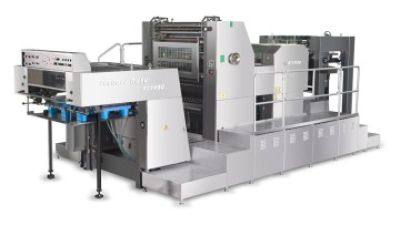
In the world of modern printing, the integration of advanced technologies significantly enhances the usability of Sheet Fed Offset Printing Machines. Buyers benefit from improved compatibility with various printing solutions, allowing for seamless workflow integration. This adaptability makes it easier to switch between different printing tasks. The user experience is streamlined, leading to efficient production processes.
Moreover, the advanced feeders ensure consistent paper handling, which reduces the risk of jams and misalignments. Users often find that this reliability maintains high output quality. Nonetheless, some users may encounter challenges when initially adjusting to new systems. Understanding the specific settings of advanced feeders requires a learning curve.
Despite occasional hiccups, the advantages far outweigh the drawbacks. Enhanced compatibility not only boosts productivity but also opens doors to new printing possibilities. This evolution is crucial for businesses looking to stay competitive in a rapidly changing market. Adopting such technology helps buyers capitalize on the latest innovations while addressing their unique printing needs.
Unveiling the Advantages of Two-Sided Single-Color Offset Printing Press: A Guide to Water-Based Dampening Technology
The advancement of offset printing technology has led to the emergence of two-sided single-color offset printing presses that prominently utilize water-based dampening systems. These systems are designed to enhance print quality while adhering to environmentally friendly practices. The "hard-soft pressing" method implemented in these machines allows for paper to move smoothly through the nip between the impression cylinder and blanket cylinder, significantly enhancing the print clarity and richness. As the demand for high-quality printed materials increases, reports indicate that the global offset printing market is projected to reach approximately $19 billion by 2025, emphasizing the importance of technological advancements in this sector.
One of the standout features of this printing press is its pneumatically controlled ink-water rubber rollers. These rollers can be easily lifted and lowered, facilitating quick adjustments and allowing for seamless operation during the printing process. According to industry standards, ease of operation is crucial to improving overall workflow efficiency, and this feature addresses that directly. The ability to maintain accurate balance between ink and dampening water contributes not only to better print fidelity but also to reductions in wasted materials.
Moreover, the incorporation of axial and radial micro-adjustment devices for all upper plate cylinders permits fine-tuning without halting the machine. This capability reduces downtime and enhances productivity, which is vital in an industry that thrives on speed without compromising quality. Recent analyses show that printers utilizing these advanced technologies can achieve a 30% increase in productivity, underlining the pressing need for investment in modern printing solutions amidst competitive market dynamics.
FAQS
: Minimizing waste leads to cost savings and boosts productivity. Efficient sheet utilization reduces material waste significantly.
It reduces the overall carbon footprint of printing operations, supporting more sustainable practices. Eco-friendly solutions are increasingly appreciated by consumers.
Initial investments can be daunting. Companies must assess benefits against costs, balancing long-term gains with short-term expenses.
Sheet feeders accommodate various paper types and sizes, allowing for diverse printing projects. They improve efficiency by enabling quick transitions.
Experiment with settings to find the best match. Not all printers handle every type or thickness equally.
Some printers may struggle with very thick or textured papers. Testing compatibility can prevent issues during large runs.
A sturdy feeder design reduces wear and tear, lowering repair needs and saving money over time. Regular maintenance is still important.
Regular maintenance and cleaning can help avoid common issues like jams. Staying vigilant can enhance operational efficiency.
No, some feeders may underperform. Careful research is essential to choose the right feeder for specific needs.
They should balance cost, durability, and performance. Thoughtful consideration can lead to smarter investment decisions.
Conclusion
The article outlines the top ten benefits of utilizing Printing Machine Sheet Feeders for buyers, emphasizing their critical role in optimizing printing processes. With enhanced efficiency, these feeders significantly improve production speed and output quality, making them invaluable in a competitive market. Their automated feeding reduces labor costs and operational time, while also providing improved precision in paper alignment and handling techniques.
Additionally, Printing Machine Sheet Feeders minimize waste through optimal sheet utilization and are versatile enough to handle various paper types and sizes. The robust design of these feeders leads to lowered maintenance costs, ensuring long-term reliability. Furthermore, their enhanced compatibility with advanced printing technologies makes them a strategic investment for businesses looking to enhance their printing capabilities.