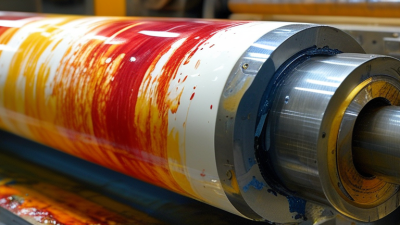
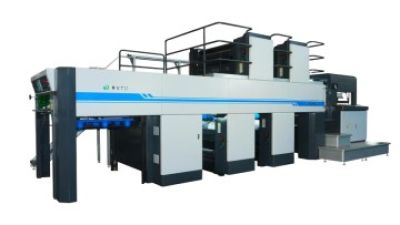
Hey there! You know, the printing world has really come a long way lately, especially with stuff like the Commercial Offset Press. If you ask me, it’s kind of fascinating how much the industry is evolving. According to some report by Smithers Pira, the global market for commercial printing is actually expected to hit around $400 billion by 2025 — that’s insane! Big names like Heidelberg and Komori are really pushing the envelope, coming up with some pretty cool tech lately.
Now, these Commercial Offset Presses? They’re pretty much the gold standard for top-notch print quality and efficiency. If your business wants to stay ahead of the game, having one is kind of a no-brainer. But, honestly, not everyone finds it easy to pick the right press. There’s a lot to think about — like, your budget, what exactly you need to print, and all that technical stuff. It can get pretty overwhelming.
Some companies hit the jackpot with their pick and see great results, while others feel like they’re kind of wasting their investment if things don’t go smoothly. So yeah, understanding the technical details and how everything works behind the scenes is super important. Taking a close look at the market leaders can really help you get a better grip on your options and avoid getting lost in the maze of choices.
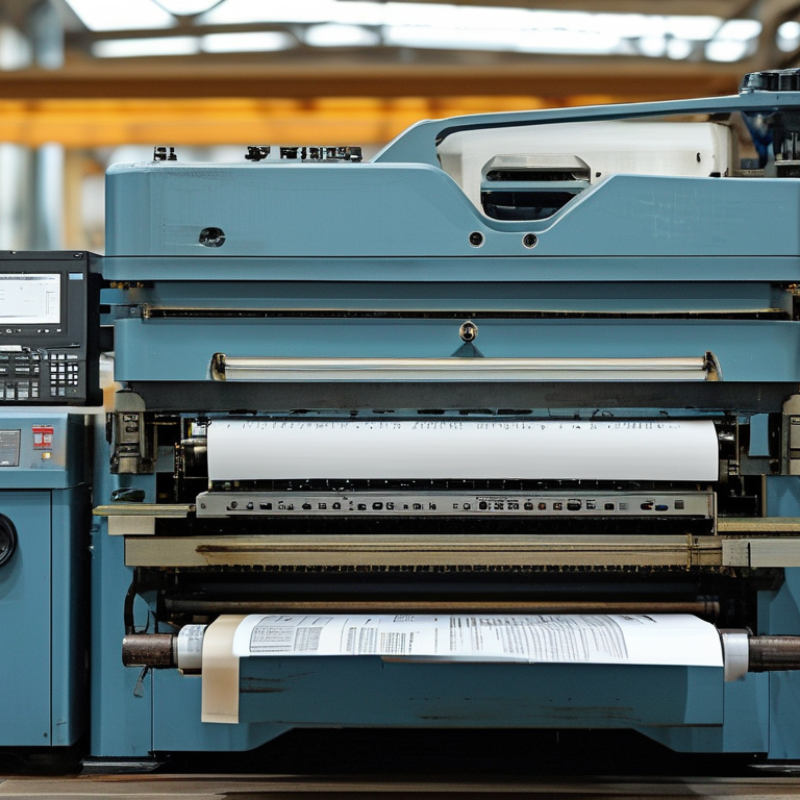
Top 10 Commercial Offset Presses: An Overview of Key Features
When considering commercial offset presses, it's essential to examine their key features. A study by Smithers Pira shows that the global market for commercial printing is projected to reach $472 billion by 2024. This growth highlights the importance of investing in high-quality machinery that can produce superior results.
One critical feature is print speed. Many Commercial Grade Offset Presses can achieve speeds of over 15,000 sheets per hour. This fast output can be crucial for meeting deadlines in a competitive landscape. Additionally, color accuracy is vital. Advanced presses utilize technology that ensures precise color matching, which is essential for brand integrity.
Another aspect is versatility. Some machines can handle a variety of substrates, from lightweight paper to heavier cardstock. This flexibility allows for a more diverse range of printing applications. However, it’s important to remember that not all presses are the same. Maintenance costs, setup times, and energy efficiency are often overlooked but play a significant role in operational success. Investing in a machine with lower upkeep can ultimately improve the bottom line.
Criteria for Selecting the Best Commercial Offset Presses
When selecting the best commercial offset presses, several key criteria come into play. Quality of print is paramount. A well-calibrated press can produce crisp images and vibrant colors, essential for competitive marketing. According to industry reports, presses with a high resolution capability, ideally over 1200 dpi, significantly enhance print quality. Buyers must also consider the press's speed and throughput. Many modern units can produce over 15,000 sheets per hour, which can meet tight deadlines efficiently.
Durability and maintenance are critical. The lifespan of a commercial offset press typically ranges from 10 to 15 years, depending on usage. Regular maintenance can prevent costly downtimes. Industry analysis suggests that presses with modular designs are easier to service. User-friendly interfaces also play a role. Operators should find controls intuitive to minimize training time.
Energy efficiency is increasingly important. Sustainable practices in manufacturing processes contribute to cost savings. Reports indicate that energy-efficient presses can reduce operational costs by up to 30%. Companies are encouraged to assess the overall environmental impact of their printing solutions. While initial costs may be high, long-term savings and environmental considerations may justify the investment.
Review of the Leading Brands in Commercial Offset Printing
In the competitive world of commercial offset printing, choosing the right equipment is crucial for success. The global market for offset printing is projected to grow significantly, with some reports estimating an annual growth rate of about 5.1% through 2026. This growth underscores the importance of understanding the various options available, particularly when it comes to Commercial Sheet Fed Offset Presses.
Leading brands often feature advanced technologies. For instance, features like automated color control and inline finishing are becoming standard. These enhancements can improve production efficiency and reduce waste, yet many facilities still underutilize these capabilities. A study revealed that only 65% of printers maximize their machines' potential in real-world applications. This indicates that even high-end equipment might not deliver its full value if not properly implemented.
Moreover, the durability and maintenance of these presses play a crucial role in their long-term performance. Reports suggest that maintenance costs can represent up to 10% of total operational expenses. It's vital for buyers to consider not just the purchase price, but also the ongoing costs associated with upkeep. Inadequate maintenance can lead to significant delays and lost revenue, highlighting the need for a comprehensive purchasing strategy.
Comparative Analysis of Print Quality and Speed
In the world of commercial printing, print quality and speed are crucial factors for buyers. A recent comparative analysis revealed significant differences among various offset presses.
Print quality varies widely, with some models producing vibrant colors and sharp details, while others struggle with consistency. Eye-catching results do not always guarantee efficiency. Some machines provide excellent output but at a slower pace, impacting overall productivity.
Speed is another vital consideration. Certain commercial two-sided offset presses demonstrate impressive output rates, handling larger volumes effectively. However, there's often a trade-off between speed and print fidelity. Buyers must weigh their priorities carefully.
A press that operates quickly may compromise on quality, leading to reprints and waste. Revisiting one's printing objectives can lead to better purchasing decisions. Exploration of less known models may also yield unexpected benefits.
It's essential to remember that the printing landscape is ever-evolving. Emerging technologies continually reshape options available. Keeping an eye on advancements can inform better choices. Potential buyers should assess real-world performance rather than relying solely on specifications in marketing materials. Taking time to understand the nuances of print quality and speed will ultimately lead to more reliable machine selections, ensuring the best fit for their specific needs.
Assessment of Cost and Return on Investment for Buyers
When evaluating offset presses, understanding costs and returns is crucial. Commercial High Speed Offset Presses can initially seem expensive. However, the long-term investment often brings significant benefits. Buyers should consider print volume and production speed when assessing ROI. These factors can drastically affect overall profits.
Tips: Prioritize systems that can adapt to different print jobs. Versatility can save costs in the long run.
Calculating the cost of ownership is essential. This includes maintenance, consumables, and training. A high upfront cost can be daunting. Yet, if managed properly, a quality press will pay for itself through increased efficiency and output quality.
Tips: Research financing options. Many manufacturers offer deals that can ease the initial financial burden.
Another consideration is energy consumption. A press that uses energy efficiently can reduce operational costs. Commercial High Speed Offset Presses designed with this in mind are worth exploring. They can positively impact both ROI and the environment.
Investing in the right press should mirror your business needs and goals. Regular assessment of performance can highlight whether the equipment meets your expectations.
Innovations in Offset Printing Technology for Global Markets
Innovation drives the evolution of offset printing technology in global markets. Today's presses incorporate advanced features that enhance efficiency and reduce waste. The integration of automation tools facilitates quicker adjustments between jobs. This allows print businesses to meet tight deadlines without sacrificing quality.
One notable innovation is the use of digital management systems. They streamline workflows, offering better tracking and reporting. This transition can sometimes frustrate traditional operators who are used to older methods. Adapting to new software challenges requires training and patience, impacting productivity initially.
Sustainability also plays a crucial role. Many new presses utilize eco-friendly materials. This shift addresses growing environmental concerns. However, it can lead to confusion about the longevity and durability of these alternatives. Printers must balance sustainable practices with client expectations and market demands. Adaptation to these innovations is ongoing and may reveal areas for improvement in the long run.
Customer Support and Maintenance Considerations in Choosing Presses
When selecting a commercial offset press, customer support and maintenance should be paramount. According to recent industry reports, up to 50% of printers experience downtime due to press malfunctions. This downtime can cost businesses significantly, with some estimates suggesting losses of $15,000 per day. Reliable customer support can mitigate this risk, ensuring quick responses to inquiries and efficient resolution of issues.
Effective maintenance programs are critical. Studies show that presses with regular maintenance schedules perform up to 30% better than those without. Addressing minor issues proactively helps avoid major repairs, which can be costly. However, not all manufacturers offer comprehensive maintenance packages. Some overlook this aspect, emphasizing hardware features instead of ongoing support. Buyers should evaluate the post-purchase support landscape carefully.
On-site training is also vital. A poorly trained staff can lead to increased errors and inefficient operations. Organizations could see a 25% increase in errors without proper training. Clear communication regarding maintenance and support from manufacturers can influence overall performance. Therefore, understanding a provider's commitment to customer service is crucial before making a decision.
Maximizing Efficiency and Quality in Commercial Printing: Insights from Industry Reports on the Benefits of RYS10402D High-speed Double-Sided Offset Printing Press
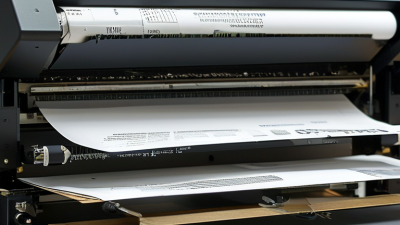
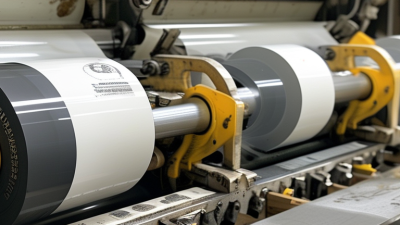
The commercial printing industry demands high levels of efficiency and quality, making the choice of equipment critical for success. In this context, high-speed double-sided offset printing presses have emerged as a game-changer. Such presses, designed specifically for high-volume productions, deliver exceptional print quality while significantly optimizing operational workflows. A notable development in this area is the introduction of advanced double-sided, two-color offset printing technology that provides remarkable output speeds, enhancing productivity in both commercial and packaging printing applications.
With the capability to achieve maximum speeds of up to 15,000 sheets per hour, these presses are built to meet the rigorous demands of large-scale printing operations. Their design emphasizes stability during high-speed runs, ensuring precise registration and consistent quality across print runs. This combination of features not only accelerates production processes but also mitigates the risks of errors, which is crucial for maintaining quality standards in competitive market environments.
Investing in a high-performance double-sided offset printing solution empowers businesses to boost efficiency while also delivering superior quality products to clients. By leveraging such technology, printing companies can effectively minimize turnaround times and maximize profitability, allowing for a robust response to market demands.
FAQS
: Print speed is crucial for meeting deadlines. Many presses achieve speeds over 15,000 sheets per hour, enabling fast turnaround.
Precise color matching is essential for brand integrity. Advanced technology ensures that colors remain consistent across prints.
Some presses can work with various materials. These range from lightweight paper to heavier cardstock, allowing diverse applications.
Lower maintenance costs can improve profitability. Overlooking these costs can lead to unexpected downtimes and impact productivity.
High print quality is paramount. A well-calibrated press produces crisp images, which can impact marketing effectiveness significantly.
Energy-efficient presses can reduce costs by up to 30%. Companies should evaluate long-term savings and environmental impacts when investing.
The lifespan ranges from 10 to 15 years, depending on usage and maintenance practices. Regular care helps extend this period.
Modular designs allow easier servicing. This can save time and reduce costs associated with repairs or downtime.
Intuitive controls can significantly reduce training time for operators. A complex interface can lead to confusion and errors.
Initial investments can be high, but consider long-term savings and environmental benefits. Reflecting on cost versus value is crucial.
Conclusion
The article "Top 10 Commercial Offset Presses for Global Buyers" presents a comprehensive overview of the essential features that define the best commercial offset presses available in the market today. It outlines crucial criteria for selecting the ideal press, including considerations for print quality, speed, and cost efficiency, as well as return on investment.
Additionally, the article delves into the leading brands in the commercial offset printing sector, providing a comparative analysis of their offerings. Innovations in offset printing technology that cater to global markets are also explored, alongside the importance of customer support and maintenance services in ensuring the longevity and performance of these presses. This information aims to guide potential buyers in making informed decisions when investing in commercial offset presses, ensuring they choose equipment that meets their operational needs and expectations.