You know, the printing world is changing pretty fast these days, and there's definitely more talk about getting better, more efficient Printing Machine Sheet Feeders. I mean, a recent report from Smithers Pira says the global market for printing equipment is on track to hit around $23.5 billion by 2026—no small potatoes! With all that going on, picking the right sheet feeder really can make a big difference when it comes to boosting productivity and keeping the quality high. Industry pro Mark Thompson nicely puts it: "Choosing the right printing machine sheet feeder can make or break how efficient your entire printing operation is." So true, right?
As folks around the world are shopping around and trying to figure out what works best for their needs, understanding the ins and outs of different sheet feeders is more important than ever. Thanks to new tech, we’ve seen some pretty cool stuff that helps you print faster and waste less. But, honestly, not every machine lives up to its hype. Tons of buyers struggle with compatibility issues or trying to make different parts work together smoothly. That’s why it’s so important to really think things through.
And when you're choosing a sheet feeder, it’s not just about grabbing the latest gadget, but about thinking carefully about your specific workflow. Every printing setup is a little different, so a one-size-fits-all approach doesn’t cut it. The goal should be to invest in equipment that genuinely fits your needs, balancing cost, speed, and quality. Making smart choices here is key if you want to stay competitive in this bustling market.
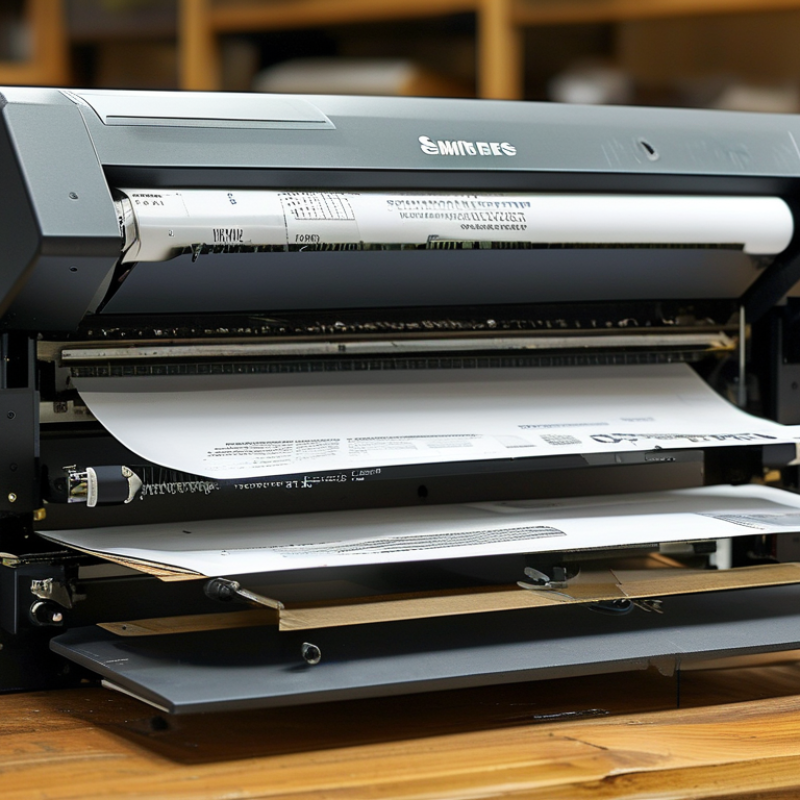
Top Considerations When Choosing a Printing Machine Sheet Feeder
When selecting a printing machine sheet feeder, several key considerations come into play. Reliability is paramount. A sturdy Paper Feeder should handle various paper sizes and weights without jamming. Frequent paper jams can lead to downtime, affecting your workflow. You want a system that can keep pace with your production demands.
Another crucial factor is compatibility. Ensure the paper feeder fits seamlessly with your printing machine. It should integrate without requiring extensive adjustments. This compatibility minimizes operational hiccups and enhances overall efficiency. Additionally, check the feeder's capacity. A larger capacity means fewer refills, allowing for uninterrupted printing runs.
Consideration must also be given to user-friendliness. A feeder that is easy to operate saves time during setup. Look for models with clear controls and accessible maintenance points. It is essential to gather feedback from users who have experienced these machines firsthand. Their insights can expose hidden flaws or unexpected benefits, helping to inform your choice. Ultimately, choosing the right paper feeder means balancing these factors to find the perfect fit for your needs.
Top 5 Printing Machine Sheet Feeder Options for Global Buyers
| Model |
Max Sheet Size (inches) |
Feeding Mechanism |
Speed (sheets/min) |
Capacity (sheets) |
Price Range (USD) |
| Feeder Model A |
12 x 18 |
Automatic |
25 |
500 |
500-700 |
| Feeder Model B |
14 x 20 |
Semi-Automatic |
30 |
600 |
600-800 |
| Feeder Model C |
10 x 15 |
Manual |
20 |
200 |
300-500 |
| Feeder Model D |
16 x 24 |
Automatic |
35 |
800 |
800-1200 |
| Feeder Model E |
8 x 14 |
Semi-Automatic |
18 |
150 |
200-350 |
Overview of Sheet Feeder Types: Cut Sheet vs. Continuous Feed
In the world of printing, choosing the right sheet feeder type is crucial for efficiency. There are two primary options: cut sheet and continuous feed. Each type serves different needs in the printing process. In recent industry analysis, it was found that about 60% of businesses prefer cut sheet systems for their versatility. This system allows precise handling of individual sheets, making it ideal for short-run jobs.
However, continuous feed systems are gaining traction, especially for high-volume tasks. These systems can process large quantities of paper seamlessly, reducing the need for frequent reloading. According to a report from the International Print Industry Association, the adoption of continuous feed technology increased by 25% in the last two years. Companies appreciate the speed and efficiency of these machines, often leading to lower operational costs.
Yet, investing in the right sheet feeder isn't without challenges. Some businesses struggle with initial costs or integration into existing workflows. There's also a learning curve, particularly for those new to advanced printing technology. It's essential to weigh these factors carefully before selecting a device. The Rear Paper Feeder feature, for instance, is often ideal for continuous sheet handling, but it might complicate setup for users unfamiliar with this design. Adequate training and support can help smooth this transition.
Market Analysis: Global Demand Trends in Printing Machine Sheet Feeders
The market for printing machine sheet feeders has seen significant changes recently. As businesses look to streamline their operations, the demand for efficient
Paper Feeder Printers
has surged. This rise reflects broader shifts in technology and consumer preferences, as companies prioritize automation and speed in their printing processes.
Many buyers are now seeking equipment that enhances productivity while reducing waste.
However, not all printing machine sheet feeders meet the needs of modern businesses. Factors like compatibility with various paper types and maintenance costs can impact buyer decisions.
Some models may promise high performance but fail to deliver, leading to frustration and inefficiencies.
Thus, it's essential for buyers to conduct thorough research and consider user experiences when selecting a paper feeder printer.
The global demand trends indicate a clear move towards high-capacity and versatile feeding systems. Companies that invest in advanced technology often see improvements in workflow
and output quality. Yet, the challenge remains: finding a reliable printer that meets all operational requirements.
This gap signifies the need for continuous improvement and innovation in this space.
Balancing quality with cost-effectiveness remains an ongoing debate among buyers, further driving market evolution.
Leading Manufacturers: Key Players in the Sheet Feeder Market
The sheet feeder market is crucial for printing machine efficiency. This market features diverse manufacturers, each with unique strengths. Leading companies focus on innovation and reliability. They understand the importance of precision in sheet feeding. The ability to handle various paper types adds to their appeal.
Manufacturers emphasize quality control. Their products often undergo rigorous testing. This ensures they meet industry standards. Buyers seek machines that offer durability and consistency. Some brands stand out due to their strong customer support. Knowledgeable teams provide assistance, enhancing customer experience.
However, navigating this market can be challenging. Not all manufacturers offer the same level of reliability. Buyers may encounter variations in performance and price. It’s essential to consider these factors carefully. Researching and comparing options aids in making informed decisions. A trustworthy sheet feeder can significantly impact printing productivity.
Technical Specifications: What to Look for in a High-Quality Feeder
When evaluating high-quality sheet feeders for printing machines, several technical specifications stand out. Buyers need to focus on the feeder's speed, precision, and versatility. Research shows that sheet-fed offset machines can boost production efficiency by 30% when equipped with advanced feeders. Key metrics include sheets per hour and alignment accuracy, which directly affect print quality.
Another important factor is media handling capability. Feeder systems should accommodate various paper types and sizes. According to industry reports, feeders that handle up to 5,000 sheets without misfeeds improve operational workflow significantly. It’s also crucial to examine the feeder's design for easy maintenance. A user-friendly setup can reduce downtime and increase reliability.
The choice of materials in the feeder's construction is critical, too. High-quality materials prevent wear and tear, ensuring longevity. However, not all feeders meet this standard. Some may look robust but fail under continuous use. Buyers should investigate the manufacturer's reputation and seek out user reviews. Understanding these essential details can lead to informed purchasing decisions in the competitive global market.
Cost-Benefit Analysis: Evaluating Investment in Sheet Feeders
Investing in sheet feeders is crucial for any printing business. It can significantly improve workflow and productivity. However, evaluating the cost versus the benefits is essential. The initial investment can seem overwhelming. But remember, a reliable sheet feeder can reduce labor costs and minimize paper waste.
Consider the long-term savings. A good sheet feeder improves efficiency, leading to faster turnaround times. Over time, this can outweigh the upfront costs. Additionally, look for features that enhance versatility. The ability to handle various paper sizes can expand your service offerings. This may attract new clients.
Tips: Always compare multiple options. Examine the specifications closely. Don't overlook after-sales support, as it can save you time and money in the long run. Regular maintenance checks are another aspect that can’t be ignored. Assessing total cost of ownership is vital.
Investments in technology often provoke debate. It's important to reflect on whether the latest model is necessary. In some cases, upgrading may not yield a significant return. Balancing current needs with future growth is essential in your decision-making process.
Future Innovations: Upcoming Technologies in Printing Machine Feeders
The printing industry is on the verge of groundbreaking innovations, especially in sheet feeder technology. As global buyers seek efficient solutions, upcoming advancements promise to enhance operational productivity. One notable trend is the incorporation of AI-driven systems into feeder designs. These systems can optimize paper handling and reduce jams, leading to smoother workflows.
Another exciting development is the integration of smart sensors. These sensors can monitor paper quality and thickness in real time. This could help prevent waste, ensuring that only the best materials are used. However, the reliance on technology raises concerns about maintenance and repairs. If a smart system fails, it might halt production entirely.
Sustainability is also a focus. Many manufacturers are exploring eco-friendly materials for feeders. While this is a step forward, the durability of these materials remains in question. Finding a balance between sustainability and performance may require more time and research. Despite challenges, the future of printing machine feeders looks promising with technology that aims to enhance efficiency and decrease environmental impact.
FAQS
: The two main types are cut sheet and continuous feed systems.
Cut sheet systems offer versatility and precise handling of individual sheets for short-run jobs.
Continuous feed systems can process large paper quantities, reducing reloads and improving speed.
Initial costs and integration into current workflows can be challenges for businesses.
Adequate training helps users adapt quickly, easing transitions to new technologies.
Buyers should research reliability, performance, and price variations among different manufacturers.
Speed, precision, media handling capability, and ease of maintenance are key specifications.
High-quality materials prevent wear and ensure longevity, which may not always be evident.
Advanced feeders can boost production efficiency by up to 30%.
Strong customer support enhances user experience and can be a deciding factor for buyers.
Conclusion
When selecting a Printing Machine Sheet Feeder, buyers must consider various critical factors, including the type of feeder—cut sheet versus continuous feed—and the specific technical specifications that denote quality. A comprehensive market analysis reveals current global demand trends, indicating a growing need for efficient feeding solutions in the printing industry.
Furthermore, evaluating the cost-benefit ratio of investments in Printing Machine Sheet Feeders is essential for optimizing production efficiency. As the market evolves, future innovations are anticipated to enhance feeder technology, promising better performance and adaptability. Understanding these elements will empower global buyers to make informed decisions for their printing needs.