Leave Your Message
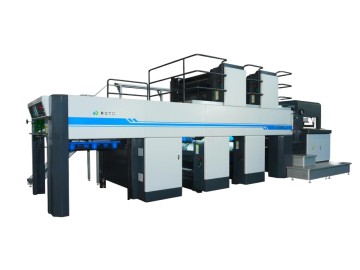
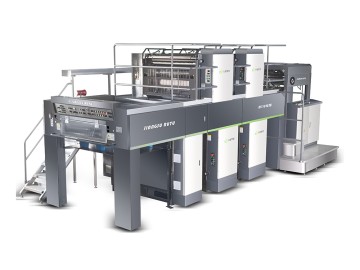
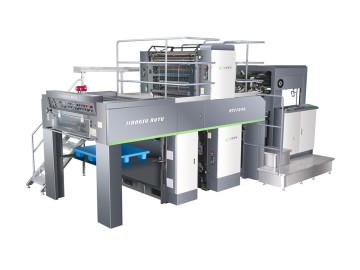
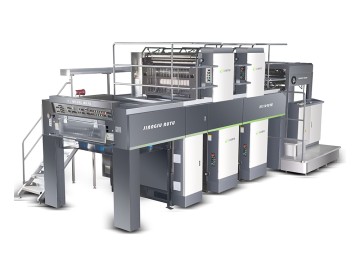
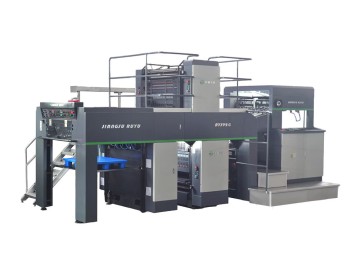
Discover our flagship large-format printing presses designed for high-speed, continuous monochrome and two-color production runs.
In an era heavily focused on multi-color capabilities and digital print technologies, the high-speed offset press optimized for large-format monochrome and two-color print jobs remains the unsung powerhouse of the global printing industry. While digital presses excel in ultra-short runs and variable data, they fall short when confronted with the sheer volume, speed, and cost-efficiency demands of large-scale commercial publishing, packaging inserts, and industrial documentation.
For print jobs exceeding a few thousand impressions, sheet-fed offset printing offers an unbeatable cost-per-page ratio. Large-format monochrome and two-color presses are specifically engineered to maximize throughput while minimizing operational overhead. By omitting the complex mechanical configurations required for four- or eight-color processes, these machines boast shorter setup times, lower maintenance costs, and reduced energy consumption. This makes them highly profitable assets for printing houses specializing in literary works, educational materials, legal documents, and financial prospectuses.
Furthermore, the integration of automation technologies—such as pneumatic feeder control, automatic plate clamps, and remote ink key adjustments—has dramatically reduced the "make-ready" times traditionally associated with offset printing. Modern high-speed monochrome presses can transition between jobs in minutes, bridging the gap between digital flexibility and offset efficiency.
• Mass Book Production: Educational textbooks, academic journals, and paperback novels rely heavily on monochrome text printing.
• Pharmaceutical Inserts: Strict regulatory compliance requires extensive text printed on ultra-thin lightweight papers, a task perfectly suited for offset tension controls.
• Environmental Regulations: Modern offset presses utilize soy-based inks and water-based dampening systems, significantly reducing VOC emissions compared to older systems.
Analyzing how large-format monochrome and two-color offset presses serve critical industrial sectors with unparalleled speed and precision.

Educational institutions worldwide consume billions of pages of printed material annually. Textbooks, workbooks, and standardized test sheets require high-legibility monochrome text, often accompanied by a second color for highlights, diagrams, or annotations (two-color printing). Large-format sheet-fed presses (such as 1040mm width models) allow printing firms to run multiple pages on a single large sheet, known as "imposition." These large sheets are then folded and bound, drastically lowering production times and ensuring consistent ink density across thousands of pages.
The pharmaceutical sector has highly specialized printing requirements. Patient information leaflets (PILs) must contain vast amounts of text in tiny font sizes, printed on extremely thin paper (often ranging from 40 gsm to 50 gsm) so they can be folded into miniature sizes and fit inside medicine boxes. High-speed offset presses equipped with advanced sheet separation systems and precise tension controls prevent tearing and double-sheet feeding, delivering flawless legibility and compliance with international health regulations.
In the corporate world, speed is paramount. During major financial transactions, mergers, or legal proceedings, thousands of copies of prospectuses, annual reports, and contract drafts must be printed overnight. Large-format monochrome offset presses excel in this high-pressure scenario. They offer continuous, high-speed output with minimal downtime, ensuring that time-sensitive legal and financial documents are delivered on schedule without sacrificing clarity or formatting accuracy.
While retail packaging is typically multi-colored, the internal structural elements, instruction guides, and safety manuals included inside the packaging are predominantly monochrome or two-color. Industrial manufacturers utilize high-speed offset presses to print these guides on a massive scale, optimizing their supply chain costs. The reliability of sheet-fed offset presses ensures that even when running at speeds of up to 10,000 sheets per hour, the print registration remains perfect, preventing alignment errors in technical drawings or warning labels.
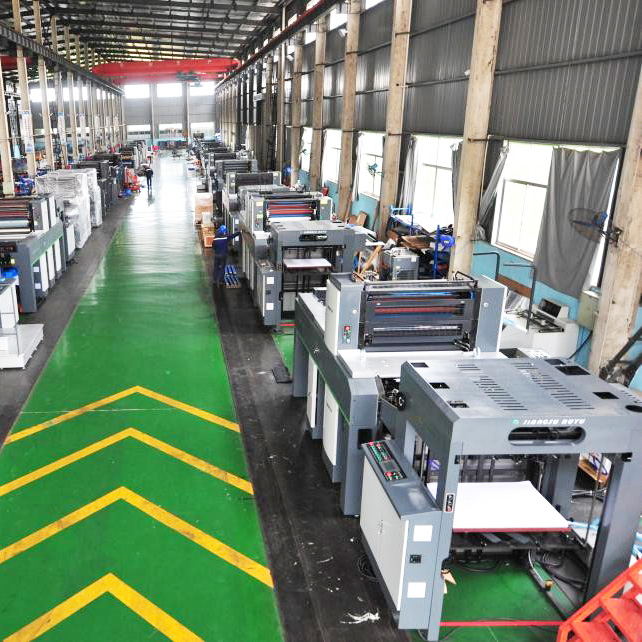
The offset press is no longer a purely mechanical machine; it has evolved into an intelligent, data-driven system. Modern large-format monochrome and two-color presses are integrating AI and IoT technologies to optimize performance, reduce waste, and ensure long-term durability.
One of the most significant advancements in offset technology is the implementation of closed-loop color control systems. High-resolution optical sensors scan the printed sheets in real-time, comparing the output with the digital master file. If any deviation in ink density or alignment is detected, the system automatically adjusts the ink keys and registration controls on the fly. This limits paper waste during make-ready stages and guarantees consistent quality from the first sheet to the last.
By embedding industrial sensors throughout the press—monitoring cylinder pressure, roller temperature, motor vibration, and dampening solution pH levels—manufacturers can offer predictive maintenance capabilities. Operators are alerted to potential mechanical wear before it leads to unexpected downtime. This technology maximizes the operational lifespan of key components, which is critical for printing houses running 24/7 production cycles.
In addition, Ding Bangguo, the company's chairman, also proposed that enterprise management should practice the "Three Minds" – namely the "Mind of Vitality", the "Mind of Diligence" and the "Mind of Belonging". This initiative aims to build China's top brand in double-sided printing machinery manufacturing and enhance employees' sense of happiness. The company adheres to its corporate goal of "customer-centricity, where customer satisfaction is our eternal pursuit", upholds the concept of win-win cooperation, and actively builds Ruyu into a renowned brand of Chinese sheet-fed double-sided printing machinery with the "craftsmanship spirit".
Innovation and integration, honesty and modesty, good learning and success, self-transcendence.
Let China's printing press manufacturing industry shine in the world.
RUYU intelligent manufacturing,word-class quality
Build an Integrity-Based Enterprise, Create Brand-Name Products
Leveraging industrial diversity and manufacturing expertise to build world-class printing machinery.
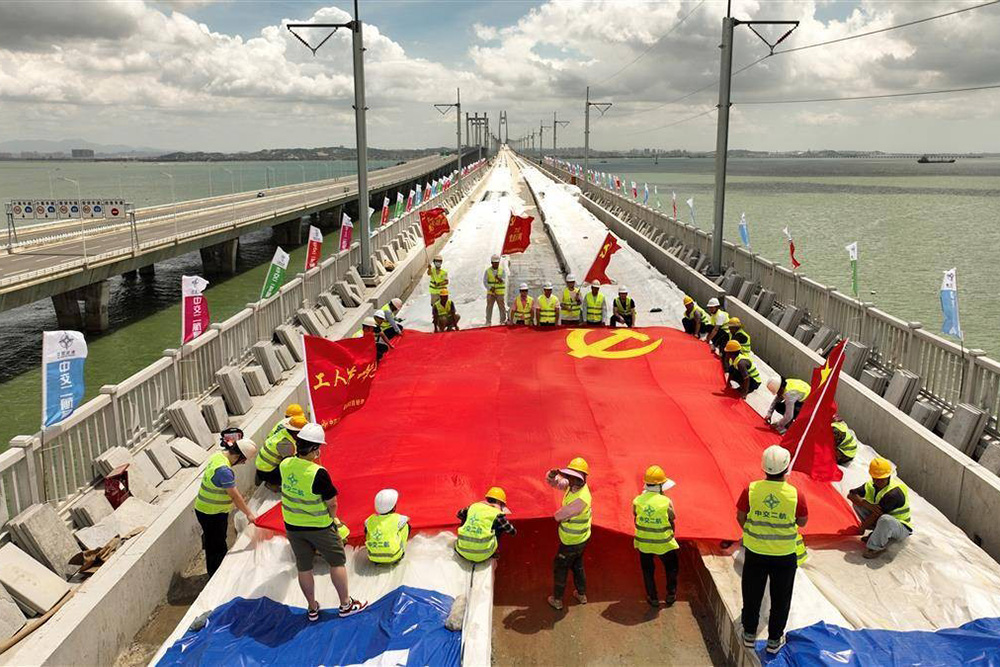
With a history of over 30 years, the company's chairman personally oversees its operations. It has participated in the construction of numerous national key projects, and its involvement in high-speed railway projects alone includes the Harbin-Dalian High-Speed Railway, Qingdao-Rongcheng Intercity Railway, Datong-Xi'an High-Speed Railway, Beijing-Shenyang High-Speed Railway, Beijing-Shanghai High-Speed Railway, among others.
Founded in 2014, the company acquired a printing machine manufacturer with a 70-year history in 2020. It produces 100 units of double-sided printing machines of various models annually and is the largest manufacturer of double-sided printing machines in China in terms of sales volume.
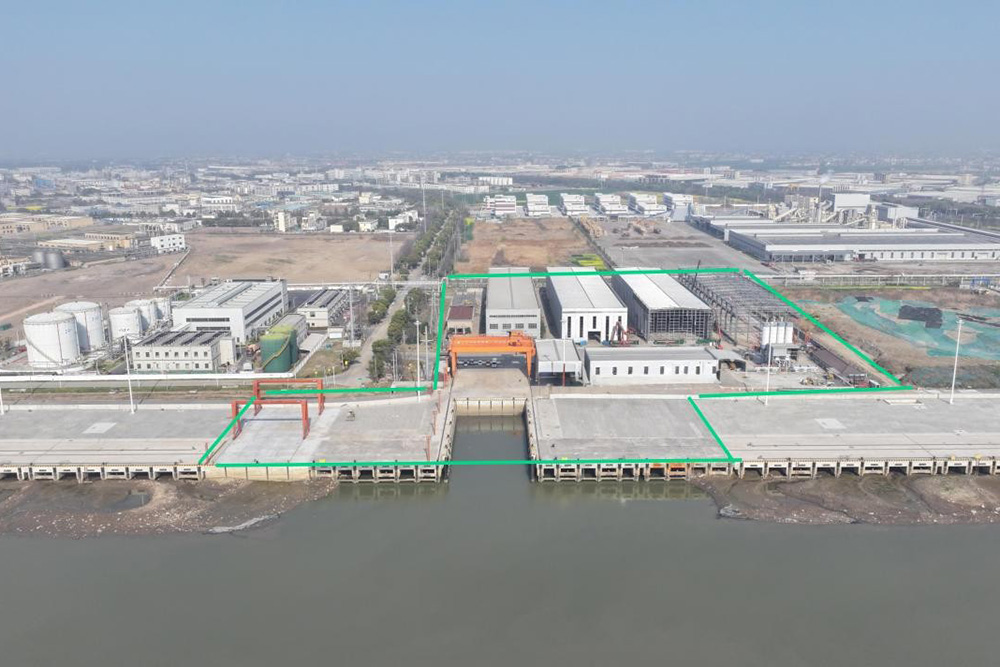
Located at the estuary of the Yangtze River, the company covers a land area of 160,000 square meters and provides services for clients/projects including Datang Power, Huaneng Power Plants, and the Hutong Yangtze River Bridge. It also owns two 10,000-ton-class docks with a total value of 200 million yuan (RMB).
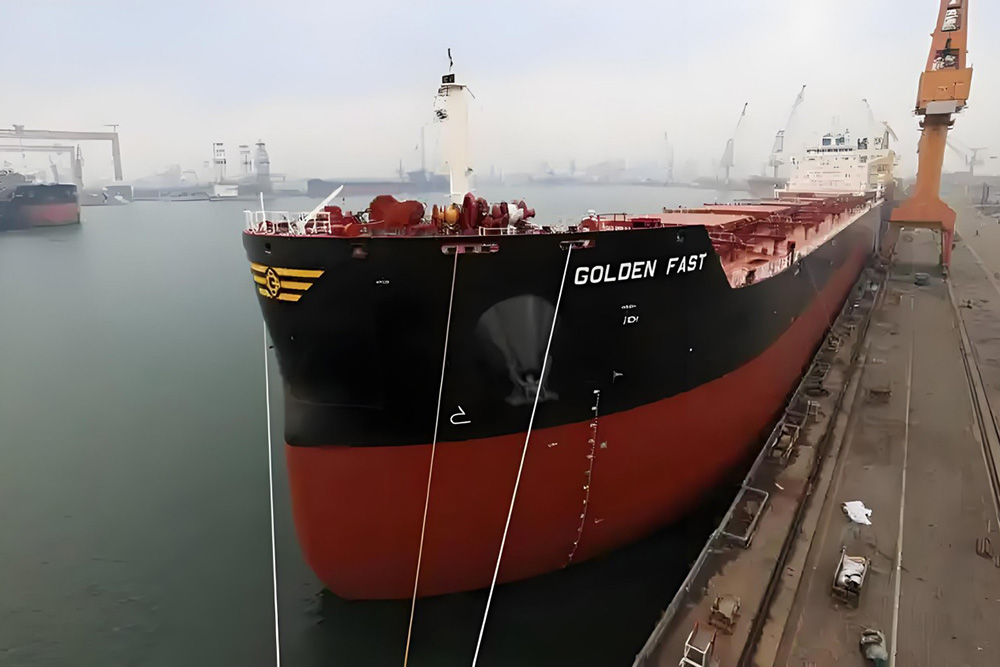
It owns 5 10,000-ton-class cargo ships, and continues to invest funds to expand its scale. Its medium-term goal is to have 20 cargo ships for various purposes, with a total tonnage reaching 500,000 DWT (Deadweight Tonnage).
We persist in allocating 5.08% of annual sales revenue as special R&D funds. Our commitment to innovation is the engine driving our global competitiveness.
It has purchased brand-new high-precision main processing equipment for consecutive years, with its equipment level and processing accuracy leading the industry. All key components are independently processed in-house.
The selected high-grade castings all undergo secondary heat treatment to eliminate internal stress, ensuring the machine maintains its shape without deformation during long-term use.
It possesses domestically advanced processing capabilities for key components of double-sided printing machines, as well as robust quality inspection capabilities.
Explore our extensive range of high-speed single and double-sided printing machinery engineered for commercial excellence.