Leave Your Message
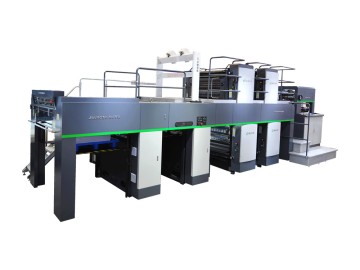
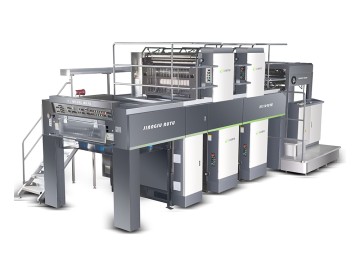
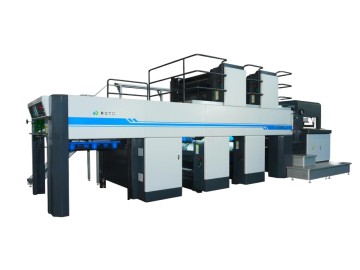

In the contemporary landscape of manufacturing and consumer goods, the significance of physical documentation remains paramount. While digital alternatives such as PDFs and online portals are ubiquitous, physical instruction manuals and booklets serve as the primary touchpoint for user safety, product setup, and brand authority. Commercial manual production demands a combination of high-speed print efficiency for text blocks and highly durable, tactile, and visually arresting methods for covers, specialized diagrams, and safety warnings. This is where the manual screen printing machine asserts its industrial dominance. In an era dominated by automated offset and digital processes, the manual screen printing machine remains an indispensable asset for high-value, short-run, and specialty booklet production, offering unmatched ink thickness, substrate versatility, and mechanical durability.
"Manual screen printing machines bridge the gap between high-speed automated digital text runs and the heavy, durable, and textured covers required for premium industrial manuals."
The global printing industry has transitioned toward high-speed automation, yet a significant market gap remains for short-run, high-durability, and highly customized print jobs. In commercial instruction manual production, especially for heavy machinery, automotive components, medical devices, and luxury electronics, standard digital print runs fail to deliver the necessary environmental resistance and visual impact. Manual screen printing machines fill this critical niche. They allow commercial printing houses to handle specialized substrates like PVC, polyester, synthetic paper, and ultra-heavy cardstock that cannot pass through standard offset feeders. Economically, setting up a massive automated offset press for a run of 500 high-end instruction booklets is cost-prohibitive. The manual screen printing machine offers rapid setup times, minimal tooling costs, and direct operator control, making low-to-medium volume runs highly profitable.
In addition, Ding Bangguo, the company's chairman, also proposed that enterprise management should practice the "Three Minds" – namely the "Mind of Vitality", the "Mind of Diligence" and the "Mind of Belonging". This initiative aims to build China's top brand in double-sided printing machinery manufacturing and enhance employees' sense of happiness. The company adheres to its corporate goal of "customer-centricity, where customer satisfaction is our eternal pursuit", upholds the concept of win-win cooperation, and actively builds Ruyu into a renowned brand of Chinese sheet-fed double-sided printing machinery with the "craftsmanship spirit".
Innovation and integration, honesty and modesty, good learning and success, self-transcendence.
Let China's printing press manufacturing industry shine in the world.
RUYU intelligent manufacturing, world-class quality
Build an Integrity-Based Enterprise, Create Brand-Name Products
The technical superiority of manual screen printing lies in its mechanical simplicity and the physics of ink deposition. Unlike offset printing, which transfers a micro-thin layer of ink via rollers, or digital printing, which sprays tiny droplets, screen printing forces ink through a stencil-bearing mesh directly onto the substrate. This process allows for an ink deposit thickness that is 10 to 100 times greater than other methods.
For commercial instruction manuals, this thickness translates into exceptional durability. Manuals for automotive maintenance or outdoor industrial equipment are subjected to grease, oil, moisture, and constant handling. By utilizing manual screen printing with solvent-based or UV-curable inks, manufacturers can produce covers and reference sheets that resist fading, scratching, and chemical degradation.
Moreover, manual control allows the press operator to adjust the squeegee angle, speed, and pressure dynamically. This human oversight is crucial when printing on non-standard materials such as textured linen paper, plastic sheets, or pre-die-cut booklet covers. The operator can compensate for surface irregularities in real-time, ensuring a flawless print that automated sensors might misinterpret or reject.
As industrial demands shift toward shorter product life cycles and highly customized manufacturing runs, commercial printing houses are increasingly adopting hybrid workflows. High-speed digital presses print the dynamic, text-heavy interior pages of instruction booklets, while manual screen printing stations handle the covers, inserts, and decorative packaging. This hybrid approach optimizes production costs while delivering a premium tactile feel to the end consumer.

With a history of over 30 years, the company's chairman personally oversees its operations. It has participated in the construction of numerous national key projects, and its involvement in high-speed railway projects alone includes the Harbin-Dalian High-Speed Railway, Qingdao-Rongcheng Intercity Railway, Datong-Xi'an High-Speed Railway, Beijing-Shenyang High-Speed Railway, Beijing-Shanghai High-Speed Railway, among others.
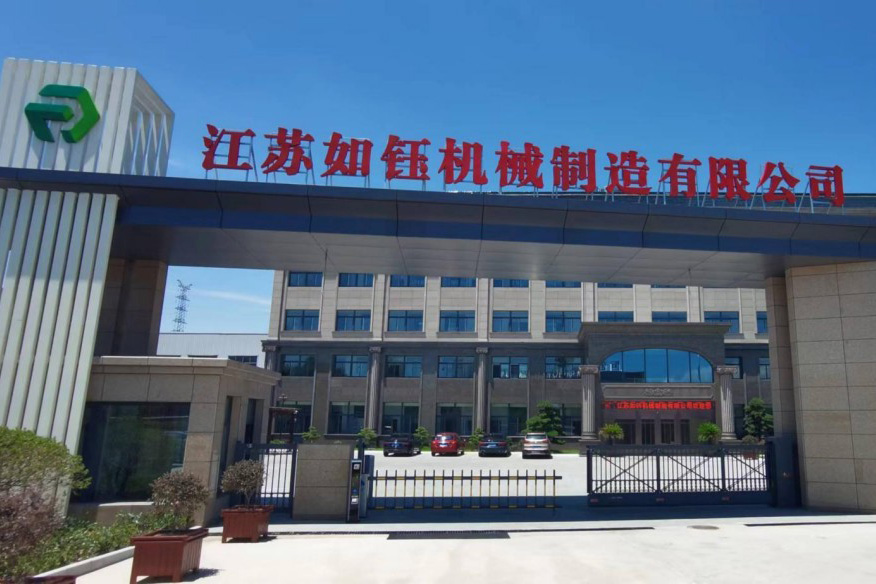
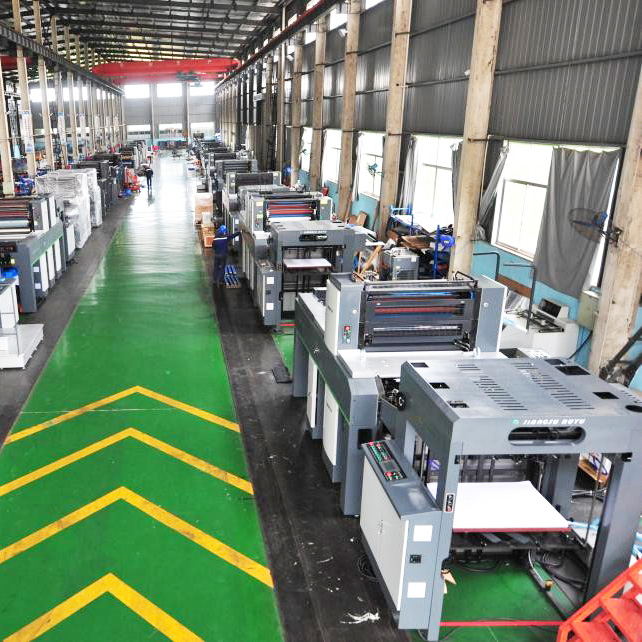
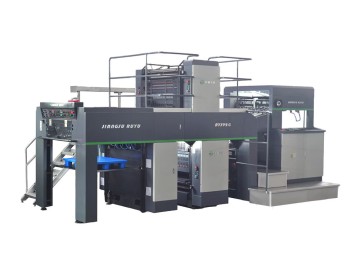
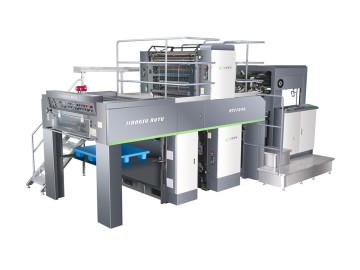
Founded in 2014, the company acquired a printing machine manufacturer with a 70-year history in 2020. It produces 100 units of double-sided printing machines of various models annually and is the largest manufacturer of double-sided printing machines in China in terms of sales volume.
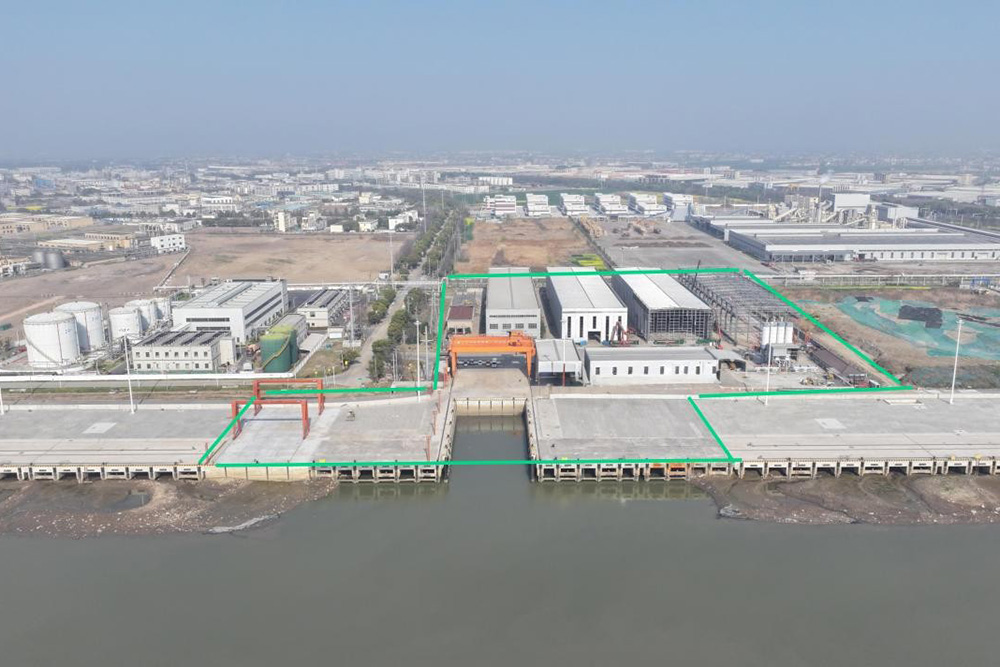
Located at the estuary of the Yangtze River, the company covers a land area of 160,000 square meters and provides services for clients/projects including Datang Power, Huaneng Power Plants, and the Hutong Yangtze River Bridge. It also owns two 10,000-ton-class docks with a total value of 200 million yuan (RMB).
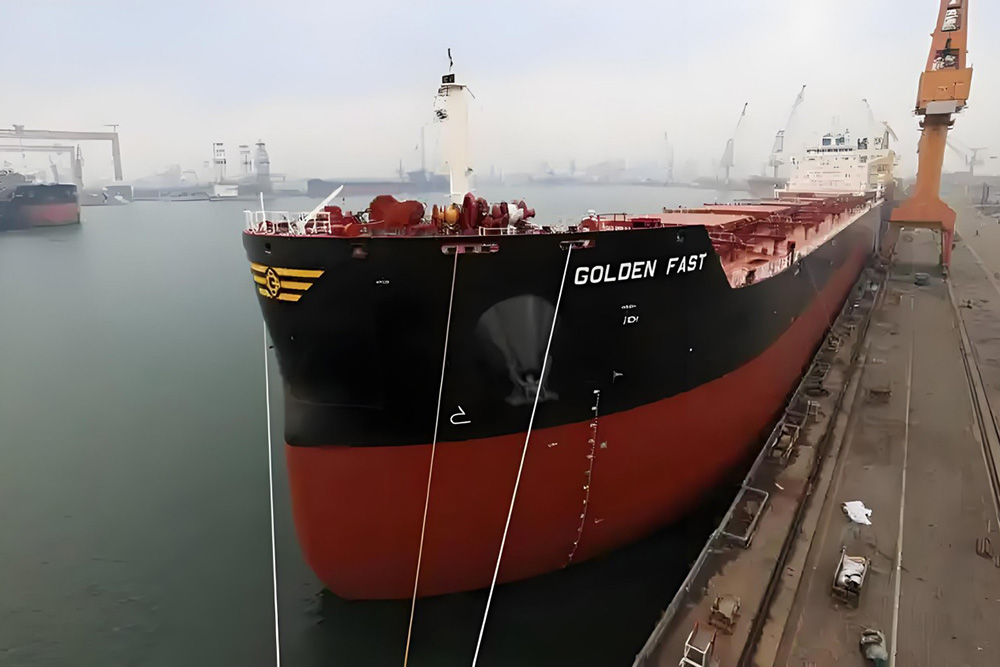
It owns 5 10,000-ton-class cargo ships, and continues to invest funds to expand its scale. Its medium-term goal is to have 20 cargo ships for various purposes, with a total tonnage reaching 500,000 DWT (Deadweight Tonnage).
Let us explore the specific scenarios where manual screen printing is the preferred choice for commercial booklet and manual production:
Safety warnings and emergency procedures must remain legible under extreme conditions. Screen printing on durable vinyl or synthetic substrates ensures that fire safety manuals, maritime instruction booklets, and chemical handling guides do not degrade when exposed to water, sunlight, or corrosive atmospheres.
Premium consumer electronics, Swiss timepieces, and high-end automotive brands view the instruction booklet as an extension of the product itself. Manual screen printing is used to apply rich metallic gold and silver inks, pearlescent coatings, and high-build spot UV varnishes to the booklet covers, immediately conveying a sense of luxury and quality to the consumer.
Accessibility is a growing regulatory requirement for instruction manuals. Screen printing's ability to deposit extremely thick layers of clear, high-solid varnish makes it the ideal technology for printing Braille text and raised-line tactile diagrams, enabling visually impaired users to navigate product layouts safely.
Before committing to a mass run, product developers require functional prototypes of manuals to test user interaction. A manual screen printing press allows for rapid, cost-effective prototyping, enabling designers to test different paper weights, ink types, and binding styles without the overhead of automated production lines.
We persist in allocating 5.08% of annual sales revenue as special R&D funds. Our commitment to innovation is the engine driving our global competitiveness.
The technical team has maintained close cooperation with domestic universities and colleges. Adhering to the combination of independent innovation and technology introduction, the team has made over 600 improvements to its products in various aspects. Compared with five years ago, the products have achieved a qualitative leap in all aspects.
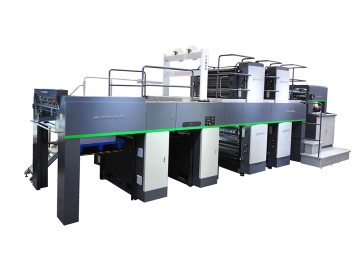
It has the capability to rapidly and systematically initiate the development of multi-color offset printing machines.
While manual operation provides unparalleled flexibility, maintaining quality consistency across a production batch is vital. This is where advanced inspection technology, such as the RYJC series double-sided online inspection machines, creates a powerful synergy. By integrating high-resolution optical inspection systems into the workflow, commercial printers can monitor the output of manual screen printing presses.
These systems scan each printed sheet, checking for ink smudges, registration errors, or voided areas against a digital master. If a defect is detected, the operator is immediately notified to adjust the screen alignment or squeegee pressure. This hybrid approach combines the artisanal flexibility of manual printing with the rigorous quality standards of aerospace and medical manufacturing, ensuring that every instruction manual delivered to the end-user is flawless.
Looking ahead, the manual screen printing landscape is evolving through materials science and smart technology. The adoption of eco-friendly, water-based, and soy-based inks is rising, driven by global sustainability mandates. These inks reduce volatile organic compound (VOC) emissions while maintaining the vibrant opacity required for booklet covers. Additionally, the integration of printed electronics is transforming traditional manuals into interactive documents. Using conductive silver and carbon inks, screen printing presses can print NFC antennas or capacitive touch sensors directly onto the pages of a booklet. This allows users to tap their smartphones against a page in the manual to launch instructional videos or register product warranties instantly. As these technologies advance, the manual screen printing machine will remain a cornerstone of innovation, blending traditional craftsmanship with the cutting edge of interactive print media.
It has purchased brand-new high-precision main processing equipment for consecutive years, with its equipment level and processing accuracy leading the industry. All key components are independently processed in-house.
The selected high-grade castings all undergo secondary heat treatment to eliminate internal stress, ensuring the machine maintains its shape without deformation during long-term use.
It possesses domestically advanced processing capabilities for key components of double-sided printing machines, as well as robust quality inspection capabilities.