
Leave Your Message
Explore our flagship high-precision sheet-fed presses built for dynamic registration, inline optical monitoring, and zero-defect operational stability.
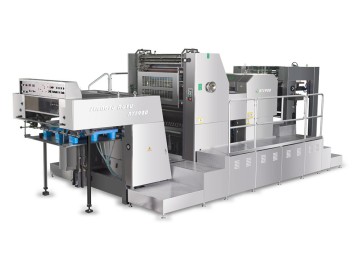
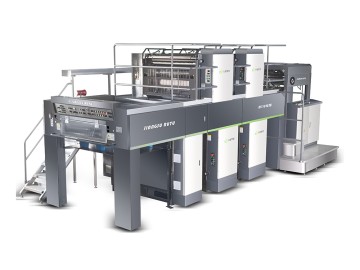
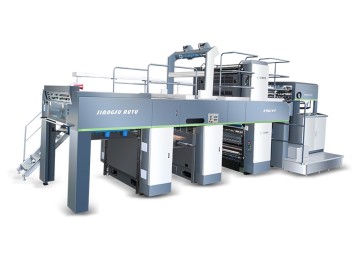
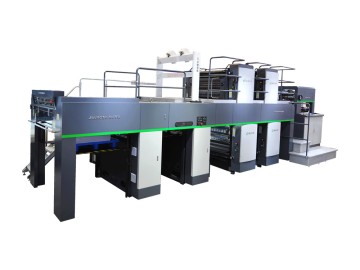
How intelligent material printing machines eliminate post-process wastage and satisfy zero-tolerance industrial manufacturing standards.
In modern high-speed material printing and industrial manufacturing, precision, consistency, and process reliability form the foundation of commercial viability. The global printing landscape has drastically evolved from traditional offline spot-checking and manual sampling toward fully automated, closed-loop machine vision systems. In conventional offset and specialty material printing setups, defects such as ink splashes, hickeys, misregistration, color drift (ΔE variation), streaking, ghosting, and missing text frequently pass unnoticed until post-press processing or client delivery, yielding massive material waste, lost press hours, and severe financial penalties.
The integration of the Material Printing Machine For Online Print Quality Inspection And Defect Detection addresses this critical bottleneck by marrying high-rigidity sheet-fed mechanical engineering with high-frequency line-scan computer vision and artificial intelligence algorithms. Modern inline inspection units operate directly inside the print transport track, analyzing both sides of the moving substrate at speeds exceeding 12,000 to 15,000 sheets per hour without causing optical distortion or sheet deceleration.
Multi-channel line-scan CMOS image sensors scan the entirety of the substrate surface simultaneously on both recto and verso sides with sub-millimeter pixel resolution.
Dynamic image subtraction and deep learning neural classifiers isolate hickeys, pinholes, streaks, foil voids, and ink flies in under 8 milliseconds per sheet.
Integrated pneumatic or mechanical diverters automatically segregate defective sheets into secondary rejection trays, ensuring zero-defect output for downstream folding and binding.
Combining optical sensor arrays, high-intensity LED multispectral illumination, and real-time GPU image processing.
Material printing machines engineered for online quality assurance rely on an intricate interplay between mechanical transport stability, optical illumination geometry, and high-throughput computational pipeline. Unlike offline inspection rewinding systems, inline systems must contend with mechanical vibration, varying substrate thickness (ranging from ultralight 28g bible paper to 450g solid bleached sulfate board), and dynamic sheet flutter at continuous printing speeds.
| Defect Category | Typical Industrial Causes | Inline Vision Detection Method | System Response & Control |
|---|---|---|---|
| Color Drift & Density Shift | Dampening imbalance, ink emulsification, temperature flux | Real-time spectral reflectance & CIE L*a*b* color tracking | Dynamic ink key regulation warning & auto-compensation |
| Hickeys & Ink Contamination | Paper dust accumulation, dried ink fragments, roller glazing | Dual line-scan differential threshold contrast analysis | Defect logging, operator alert, automated sheet rejection |
| Misregistration (Color / Front-to-Back) | Plate cylinder micro-slip, gripper instability, moisture expansion | High-resolution fiducial mark tracking across print borders | Micro-motor circumferential & lateral register alignment |
| Substrate Scratches & Creases | Feed cylinder friction, feeder head scuffing, static attraction | Coaxial specular dark-field & bright-field illumination | Instant sheet diversion to non-conforming product bin |
| Barcode & Data Matrix Flaws | Ink smudging, low print contrast, resolution loss | 1D/2D optical grade grading conforming to ISO/IEC 15415/15416 | Immediate auditory alarm & lot segregation trigger |
From high-volume commercial publishing to stringent pharmaceutical and security printing domains.
Sheet-fed double-sided printing machinery guarantees zero missing characters, inverted pages, or ink ghosts across millions of textbook and high-end dictionary pages, preventing costly reprints.
100% verification of micro-text, chemical dosage formulas, batch numbers, and GS1 DataMatrix codes. Eliminates life-critical typographical omissions on ultra-thin 32g–40g pharmaceutical leaflets.
Preserves pristine visual brand equity on coated ivory boards, metallized foils, and kraft substrates by instantly detecting pinholes, scratches, and varnish misalignments on high-end cosmetics boxes.
Detects guilloche pattern distortions, rainbow printing variations, micro-embossing flaws, and fluorescent ink discrepancies required for anti-counterfeiting certificates and legal documents.
Ensures photographic color fidelity across high-gloss art papers. Continuous spectrophotometric color consistency safeguards corporate identity colors across long print runs.
Optimized for synthetic polymers, non-woven materials, and composite films where tension variability, static discharge, and ink cure rates require immediate optical scrutiny.
Quantifiable gains derived from adopting inline defect detection offset printing machinery.
Implementing an online print inspection material printing press transforms printshop floor economics by addressing primary drivers of margin erosion: make-ready paper waste, manual sorting labor, client disputes, and unmonitored press downtime. A standard 70x100cm sheet-fed press running without inline inspection generates between 2% to 6% undetectable scrap during dynamic high-speed ink balance adjustment. In contrast, an integrated inline inspection solution compresses scrap generation down to under 0.8%.
Furthermore, because the online vision hardware performs real-time defect classification, operators can intervene within seconds of an ink buildup or register shift, preventing the ruin of hundreds of consecutive paper sheets. Detailed digital quality inspection logs generated by the system provide indisputable audit trails for enterprise clients in regulated sectors like pharmaceuticals and financial institutions.
A state-level high-tech enterprise delivering precision sheet-fed printing and online inspection solutions.
Jiangsu Ruyu Machinery Manufacturing Co., Ltd. is a state-level high-tech enterprise with the most complete variety of sheet-fed double-sided printing machines in China, and a precision machinery manufacturing enterprise integrating R & D, manufacturing, sales and service.
The company has a complete set of printing machine parts processing capacity and the whole process of quality testing means. Compared with foreign advanced double-sided printing machine manufacturing technology, it has formed its own core competitiveness and provided domestic leading double-sided printing solutions to the market.
Decades of industrial machinery heritage driving modern printing machinery manufacturing.
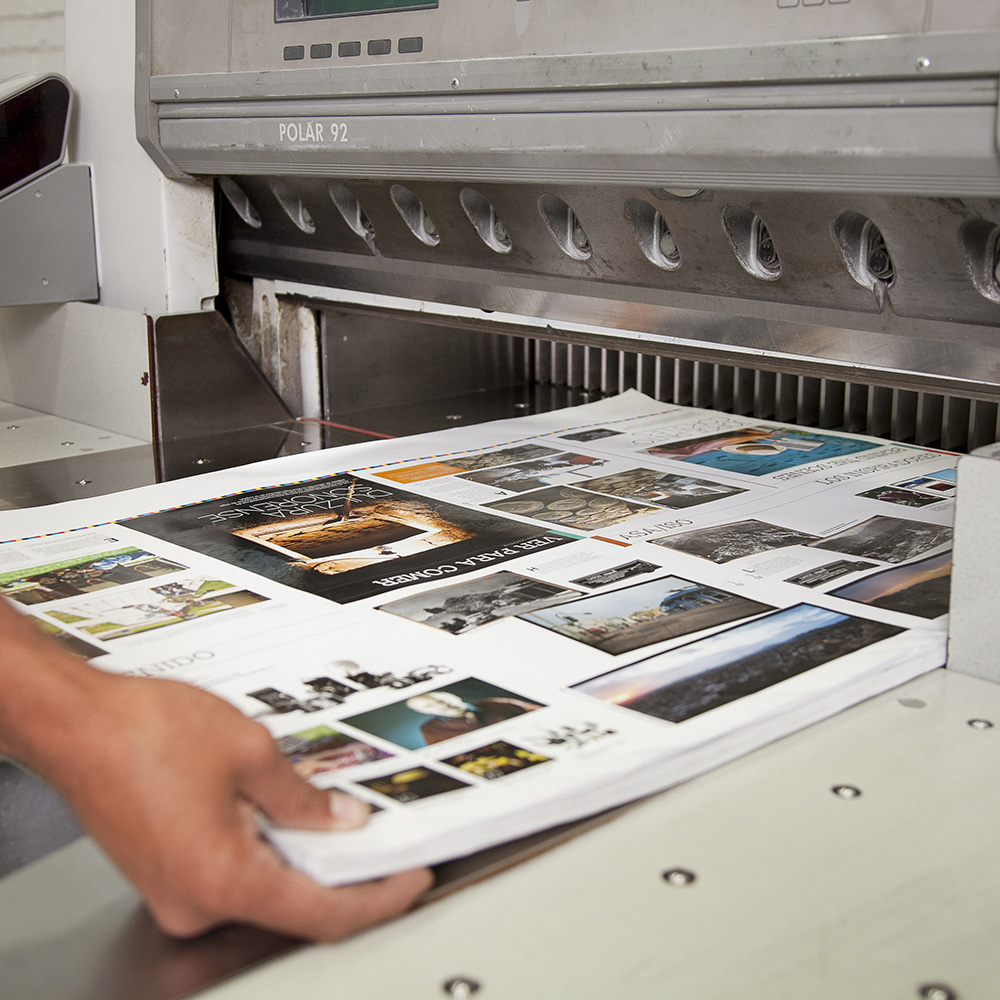
Jiangsu Ruyu Machinery Manufacturing Co., Ltd. was founded in 2014, focusing on the processing of automotive molds as its main business that year. Relying on the industrial advantages and abundant resources of the Yangtze River Delta region, the company quickly emerged as an outstanding player in the industry.
Since the beginning of 2017, the core technology, production and sales teams from the former Changsheng Group have joined Jiangsu Ruyu, propelling the company's offset printing machine production onto a fast track.
In 2020, we acquired all brands and technical patents of Jiangsu Changsheng. With the 60-year professional brand legacy and technical accumulation integrated into Ruyu, it will further inspire all Ruyu people to inherit national brands and strengthen their lofty determination to revitalize China's printing machinery manufacturing industry!
The new office building has been put into use, and over 600 improvements have been made to our products. With more domestic and foreign customers coming to us by reputation, the annual sales are expected to reach a record high-----
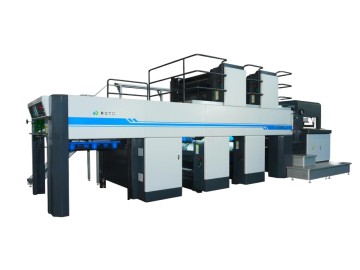
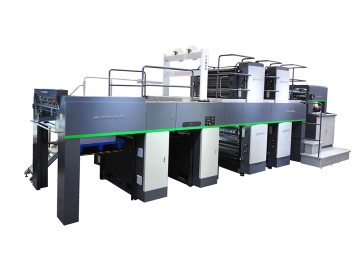
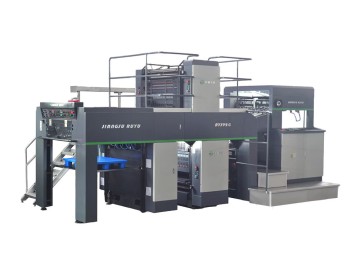
Choose from our full lineup of single-color, two-color, and large-format double-sided offset presses with precision inline quality inspection systems.

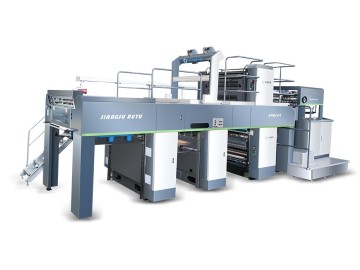
Common questions from printing plant managers and production engineers regarding inline optical inspection.
Modern online testing machines utilize customizable multi-angle lighting configurations, incorporating coaxial diffuse lighting and dark-field polarized illumination. This effectively suppresses glare from metallized substrates, foil stamping, or glossy varnishes while revealing micro-scratches, pinholes, and color shifts without false positive triggers.
Yes. The integrated vision computing engines support real-time decoding and grading of 1D linear barcodes (EAN-13, Code 128) and 2D DataMatrix/QR codes against ISO/IEC verification standards, detecting low contrast, quiet zone violations, and pixel distortion at speeds up to 15,000 sheets per hour.
By leveraging digital PDF master comparison technology, the machine can generate the reference standard image directly from prepress CIP4/JDF files or through a fast 3-sheet golden template scan during the make-ready stage, reducing optical setup time to under 3 minutes per job.