Leave Your Message

Blog

10 Tips for Choosing the Right Printing Machine?

10 Tips for Choosing the Right Printing Machine?

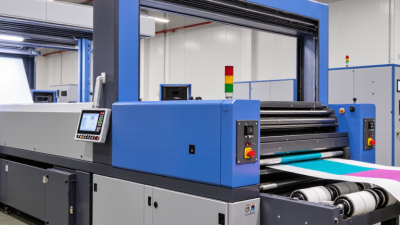
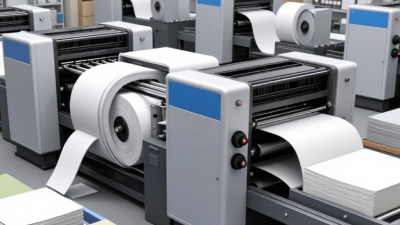
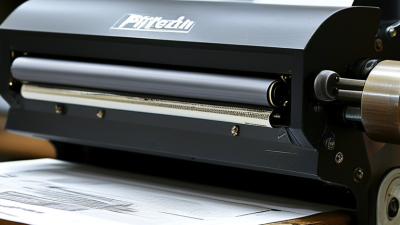
Picking a Printing Machine? It's rarely just a simple purchase. You need the right model to fit your materials, your workload, your budget, and what you actually want to produce. And here's the thing: a machine that looks great in a showroom can feel totally different next to a busy workshop. That difference really matters. So, this guide gives you ten practical tips to help you make a smarter decision. We'll look at print speed, resolution, media compatibility, automation, maintenance, energy use, safety, and total cost of ownership. Honestly, those details often tell you more than the advertised output ever will. A careful buyer should check sample prints, go through the specs, and ask how fast service responds. Also, talk to operators who run similar equipment every day. They'll usually point out the little annoyances—awkward loading, noisy operation, frequent cleaning—stuff brochures never mention. Specs can mislead, though. Not because they're useless, but because they need context. Rated speed might change depending on paper weight, ink coverage, or finishing needs. So test your actual files before you sign anything. And one test isn't enough. Try several media types and some demanding designs. Keep written notes on results, warranty terms, training, spare parts, and upgrade options. No checklist can remove every risk. Even experienced teams can miss workflow changes or future demand. Might as well admit it. A reliable choice balances what you need now with realistic growth—not just chasing the fastest or cheapest option. With evidence, good specialist advice, and an honest look at your daily operations, your next Printing Machine can become a dependable production tool instead of an expensive experiment.
Read more »
Lila By:Lila - October 15, 2026
2026 How to Choose an Ink Mixing Roller?

2026 How to Choose an Ink Mixing Roller?

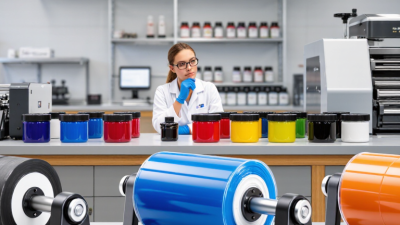
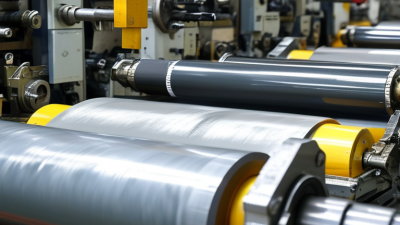
Picking the right Ink Mixing Roller in 2026? It’s not just about price tags or roller diameter anymore. Today’s print shops deal with water-based, solvent-based, UV-curable, and high-pigment inks, and each one behaves differently when you throw speed, pressure, temperature, and surface texture into the mix. A roller that runs like a dream on a narrow-web press might really struggle on a heavy-duty flexographic line. As Dr. Elena Marquez, a printing-ink application specialist, puts it, “The best roller creates stable ink movement without forcing the ink to behave unnaturally.” That idea really shows up when operators look for a clean, even film across the roller. They should also keep an eye out for foam, streaks, pigment settling, and unexpected heat—small changes can point to bigger process problems. Sure, a hard roller might last longer, but it can also feel less forgiving on delicate equipment. A softer compound may give better contact, though it can wear out faster in continuous production. Material compatibility is another thing you can’t skip. EPDM, polyurethane, silicone, and rubber compounds each offer different resistance levels. Solvent exposure, cleaning chemicals, and drying temperatures can all shift performance over time. So check the ink supplier’s technical data, then test the roller under real production conditions. Lab results help, but they never capture every factory variable. Yeah, that’s the uncomfortable part. Honestly, a perfect choice rarely exists. During trials, record roller speed, pressure, cleaning intervals, and how the ink behaves. Compare results after several shifts—not just right after installation. That kind of practical evidence will help you make a safer, more reliable Ink Mixing Roller decision for 2026.
Read more »
Lila By:Lila - October 11, 2026
What Is the Best Commercial Offset Press in China?

What Is the Best Commercial Offset Press in China?

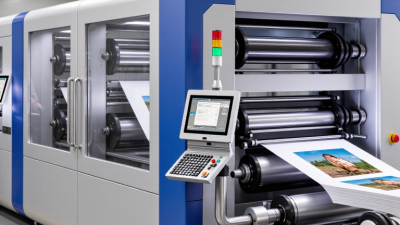
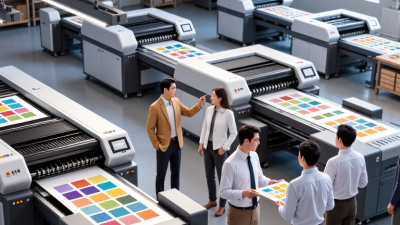
Picking the right Commercial Offset Press from China isn't just about comparing price tags. You need a press that actually fits your paper sizes, monthly volume, ink needs, and delivery schedule. If you're a small commercial printer, fast setup and low waste might matter most. If you're running high volume, you'll probably care more about stable registration, automated plate changing, and reliable color control. This guide looks at Chinese Commercial Offset Press options through a practical buying lens. We're talking print quality, production speed, feeder performance, drying systems, maintenance access, and operator training. The press should give you clean text, smooth solids, and consistent color over long runs. On a factory visit, buyers should check paper feeding, gripper movement, blanket condition, and registration accuracy. And yes—ask for a live test with your own paper and files. Service support can decide the real value of a machine. Ask about spare parts, response times, software updates, installation, and technical training. A cheap purchase price can get expensive fast when downtime interrupts urgent orders. But brand reputation alone isn't enough either. Some lesser-known manufacturers may offer useful configurations and flexible support, though their long-term track record still needs careful checking. This is where our judgment may remain imperfect. Factory demos often show ideal conditions, not every production problem. So independent references, documented specs, and a few months of operating feedback deserve serious attention. The best choice isn't always the fastest press or the cheapest offer. It's the machine that performs consistently in your actual workshop.
Read more »
Ethan By:Ethan - October 7, 2026
How to Choose a Printing Offset Press for Global Buyers?

How to Choose a Printing Offset Press for Global Buyers?

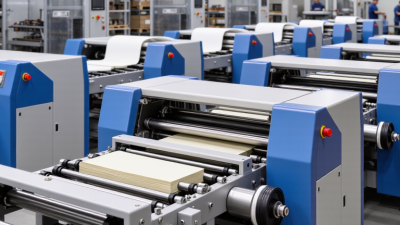
Choosing a printing offset press isn’t just about picking a piece of machinery — it’s more of a strategic production decision. When you're shopping internationally, you’ve gotta think about how the press format fits with your substrates, color needs, and available skills on your team, plus accessibility to service support. Sure, a shiny six-color sheetfed press might catch your eye in the showroom, but beware — if your local operators don’t have the calibration experience, it might not perform as well as you hope. The 2024 drupa Global Trends report highlights some ongoing challenges for printers, like skyrocketing energy costs, labor shortages, and shorter runs. On the flip side, it also points out a big shift towards automation and smarter workflow systems. According to Smithers’ ‘The Future of Global Printing to 2028,’ the print industry’s still massive globally, but digital tech is changing how volume gets distributed. Basically, these trends tell us it’s crucial to look at the total operating costs—not just the speed on paper. Frank Romano, a well-respected figure in the printing world and former professor at RIT, has described printing as ‘a manufacturing process.’ That mindset is pretty practical — whenever you’re evaluating presses, remember to check things like feeder stability, blanket condition, how accurate registration is, drying performance, and whether spare parts are easy to get. Don’t shy away from asking for sample prints on your actual paper stock. And make sure to peek at the waste sheets next to the delivery pile — tiny registration issues can turn into big customer complaints down the line. Now, let’s be honest — the perfect press doesn’t really exist. A machine loaded with fancy automation might be more than a small shop can handle for maintenance. And buying a used press for a lower price might sound good, but it could end up costing you more in downtime, obsolete controls, or tricky tech support later on. When comparing options, check out what other buyers say, look into warranty details, training programs, energy usage stats, and whether the equipment meets safety standards. It’s also a smart idea to get an independent inspection BEFORE you buy. Trust me — solid decisions come from real evidence, feedback from operators, and a realistic plan for the next five years — not just shiny brochures.
Read more »
Owen By:Owen - October 3, 2026
China Top 10 Paper Feeder Printer Manufacturers

China Top 10 Paper Feeder Printer Manufacturers

China’s market for paper-feeding printers is pretty diverse, with some longtime manufacturers and specialists who focus on serving offices, print shops, and packaging facilities. In this guide, we look at ten Chinese brands, checking out things like how accurately they feed paper, what types of media they support, how fast they print, how easy it is to get service, and whether their product info is clear. Because let’s face it, on a busy production line, even small hiccups—like curled sheets, mixed paper weights, or jammed sheets—can throw everything off and cause delays. A paper feeder printer isn’t just about the fancy features; it’s all about how well it handles paper. When you’re shopping around, watch for clear specs, easy-to-follow maintenance info, and test results that actually match the kinds of paper you plan to use. Now, a machine might do just fine feeding plain office paper, but then stumble when it comes to thicker stock or long print jobs. Small details matter—a lot. Things like how easy it is to swap out rollers, how much paper the tray can hold, or how sensors behave—these are the kinds of things you don’t want to overlook. Unfortunately, product pages aren’t always clear about these details. Dr. Joe Webb, a well-known print industry analyst, is a good voice to listen to, but just so you know, this article doesn’t quote him directly. Instead, I’ll throw in this simple observation: “Reliable feeding starts with matching the machine to the paper.” Sure, it’s a straightforward point—maybe even kind of obvious—but it’s something that people often forget, especially when they’re in a rush. The brands I’ve included here are evaluated with those real-world questions in mind—not just based on promotional pitches. Still, it’s smart to double-check the latest specs, service options, and how well they perform with sample materials directly with each company. Taking that extra step might take some time, but it can save you from buying something that just doesn’t fit your needs and ends up costing you more down the line.
Read more »
Lila By:Lila - September 30, 2026
How to Choose a Printing Machine Sheet Feeder

How to Choose a Printing Machine Sheet Feeder

When you're picking out a Printing Machine Sheet Feeder, it’s really all about the actual materials you plan to run—not just the speed listed in the brochure. Things like paper size, thickness, coating, curl, and grain direction can make a big difference in how smoothly sheets feed. So, a feeder that works great with smooth, standard sheets might struggle with textured or lightweight stock. Honestly, it pays to test with your trickiest materials; even small differences can make a big impact. It’s also smart to compare things like sheet capacity, adjustment range, and whether the feeder plays nicely with your press. Spend a little time watching how operators set side guides, correct skew, and clear jams—these are tasks you’ll end up doing during real production. The easier it is to access and adjust these parts, the better. Don’t forget to ask about features like double-sheet detection, maintenance schedules, spare parts, and support options. Just because a feeder is fast doesn’t mean it’s the right fit. Sometimes, consistent registration and reliable sheet separation are what really matter, more than just high speed. Before you make a call, try running your usual jobs with your own paper and settings. Watch how it feeds at normal speed and push it a bit faster to see if jams or misalignments pop up. It’s also a good idea to have the supplier walk you through performance limits—demonstrations are helpful but can’t cover every variation in operator, paper batch, or environment. Be honest about your typical volumes and future job needs. Overbuying capacity can turn out to be a waste, but too little might slow things down later on. And here’s a little tip—your everyday stock might behave differently after sitting in storage or during seasonal humidity swings. So, it’s worth rechecking your paper periodically to keep everything running smoothly.
Read more »
Ethan By:Ethan - September 25, 2026
China Best Offset Press Machine Manufacturers for Buyers?

China Best Offset Press Machine Manufacturers for Buyers?

Picking out China’s top Offset Press Machine manufacturers isn’t just about checking prices or watching glossy factory videos. Honestly, buyers really need to see what's happening in real life—like in the pressroom. A trustworthy supplier should be happy to show you their running machines, give you printed samples, share inspection records, and walk you through their service procedures. Don’t be shy—ask to observe things like registration accuracy, ink consistency, paper handling, and waste levels during a live demo. Those small details make all the difference. And hey, a clean control panel and stable feeding process? Those are definitely good signs. Frank Romano, a well-respected expert in the printing world and a former professor at Rochester Institute of Technology, once said, “The future of print isn’t print versus digital; it’s print *and* digital.” Honestly, that’s still pretty spot-on today, especially when you’re choosing equipment. A modern Offset Press Machine should be able to handle efficient commercial printing, but also play nicely with digital workflows. Things like remote diagnostics, operator training, easy access to spare parts, and software compatibility are equally important. When it comes to Chinese manufacturers, some names like Shanghai Guanghua Printing Machinery, Beiren Printing Machinery, and Weigang Printing Machinery tend to catch the eye of overseas buyers. But, here's the thing—just reputation doesn’t guarantee you'll get what you need. A factory might be great with engineering but not so hot on supporting customers overseas. Or, they might offer very attractive prices but not much room for customization. And trust me, those issues often become obvious after the machine’s been installed. This guide walks you through key factors like manufacturing experience, press setup, automation levels, quality control measures, export track record, and after-sales support. It also covers practical stuff—think delivery protection, response times for spare parts, and technical support. Nobody’s perfect, so don’t just take things at face value. Always double-check claims with references, factory visits, and signed specs. Remember, a cheaper machine might save some cash upfront but could end up costing you a lot more if it stops working when you need it most. Taking your time and doing thorough research is the way to go.
Read more »
Owen By:Owen - September 21, 2026
China Top 10 Printing Machine Sheet Feeder Suppliers

China Top 10 Printing Machine Sheet Feeder Suppliers

Picking a reliable Printing Machine Sheet Feeder supplier isn't just about comparing prices from catalogs. Honestly, it’s more nuanced than that. To help out, this guide takes a look at ten well-established companies that serve commercial, packaging, and industrial printing needs. We considered how consistent their products are, how accurate the feeding is, whether the machines are compatible, the quality of their technical support, and what real customers have to say. Companies like Heidelberg, Koenig & Bauer, Komori, Manroland Sheetfed, Bobst, RMGT, Ryobi, Mitsubishi Heavy Industries, Hans-Gronhi, and GUK all made the list. Keep in mind, these machines can vary a lot—they differ in format size, automation level, speed, and how they handle different materials. The nitty-gritty of actual production details really matters here. A feeder needs to reliably separate sheets without jamming or double-feeding, even if the paper has some static or slight moisture—it happens! Operators tend to spot issues pretty quick because misfeeds can lead to wasted materials, downtime, and lots of frustration when trying to fix things. Plus, good service is a big plus. A reliable supplier should give you clear specs, installation help, spare parts, and quick support after the sale. Sometimes, independent references or testing on your actual site can give you a better picture than just glossy brochures. And, of course, no supplier is perfect forever—customer needs evolve, and what’s perfect today might not be tomorrow. Some brands shine when it comes to high-speed offset systems, while others might be better for more flexible or specialized feeding setups. Just keep in mind that data can sometimes be incomplete, especially depending on where you’re buying from. That’s why it’s super important to double-check current certifications, local support availability, warranty details, and how well their equipment can integrate into your existing setup before making any commitments. What works like a charm in one factory could fall flat in another, especially with different paper types, operators, or production schedules. Think of this as a practical starting point — not a final verdict. The best choice usually comes down to a mix of proven engineering, honest communication, and measurable results. And honestly, sometimes those small, overlooked details are what make all the difference in the end.
Read more »
Lila By:Lila - September 16, 2026
Top 10 Pad Printing Machine Suppliers for Global Buyers

Top 10 Pad Printing Machine Suppliers for Global Buyers

Picking a reliable Pad Printing Machine supplier isn’t just about checking prices or reading through glossy catalogs. Honestly, you’ve gotta see some real-world evidence—like actual print samples, how tight the machine’s tolerances are, how quickly they respond to service calls, and whether they have readily available replacement parts. Keep in mind, a machine that looks awesome on the showroom floor might not be so great when it’s working on curved medical housings, textured automotive switches, or tiny cosmetic containers—stuff that’s tricky in the real world. In this guide, I’ve looked at ten well-known suppliers—names like Inkcups, Teca-Print, Tampoprint, ITW Trans Tech, Printing International, Comec Italia, Kent Pad Printing, Printex, Finecause, and Pad Print Machinery of Vermont. Their strengths are pretty different, too. Some really excel at high-speed automation, while others are better for shorter runs and more customized jobs. I focused on how much engineering experience they have, their global support networks, ink compatibility, automation options, training for operators, and how easy it is to do maintenance over the long run. Trust me, small things like a reliable pneumatic system, accessible tooling, and simple adjustment controls can save you hours during production—that stuff really adds up. No one’s perfect, though. A high-end machine might be overkill for a small workshop, and on the other hand, a cheaper model might end up costing you more in the long run with downtime or tricky repairs. So, I’m not just talking about brand reputation here; I’m sharing practical insights based on real buyer experiences and lessons learned when testing out equipment. Keep in mind, results can vary depending on the substrate, artwork complexity, and how much you’re running. It’s a good idea to request some test prints, check out the machines already installed, and confirm warranty details before you make any final decisions. Skipping these steps is tempting, but trust me, it’s worth doing them properly—it could save you headaches later.
Read more »
Ethan By:Ethan - September 13, 2026
Why Choose Screen Printing Equipment for Your Business?

Why Choose Screen Printing Equipment for Your Business?

Picking out screen printing equipment isn't just about buying machinery; it's a smart business move. The right press can make a big difference—in color consistency, how fast you can produce, labor costs, and your day-to-day workflow. According to Grand View Research, the global market for screen printing inks is steadily growing, and MarketsandMarkets points out a rising demand for customized apparel, packaging, and promotional items. These trends definitely open up opportunities, but they also put extra pressure on small producers trying to keep up. Scott Fresener, the guy behind T-Biz Network and a pretty well-known educator in the screen-printing world, sums it up nicely: “Choose equipment that matches your product, your volume, and the skills of your operators.” Seems simple, right? But honestly, a lot of folks overlook that advice. If you’re just starting out and planning to produce around 300 cotton shirts a week, you probably don’t need a giant automatic setup. A compact manual press, decent flash cure, and easy setup might do the trick. On the other hand, a contract printer handling thousands of garments every week needs more—like automatic registration, bigger drying capacity, and equipment that can deliver consistent results repeatedly. Basically, your equipment should support your current workload—not some “what if” future scenario. Overspending can tie up your cash flow, but underspending? That can lead to rework, delays, and frustrated staff. Market forecasts and reports can give you good guidance, but they’re not set in stone. Things can change pretty quickly—energy prices, labor shortages, what consumers are craving, or new tech coming in can all shift the game. It’s worth taking a moment to think about all that. Remember: equipment alone isn’t the magic solution. If your artwork's weak, ink isn’t controlled properly, or quality checks are sloppy, no fancy machine can fix that. Before you pull the trigger on a purchase, make sure to compare print samples, check how responsive the service support is, see if spare parts are easy to get, look into training options, and consider the total cost of ownership. Good decision-making starts with real production results, not just shiny specs or impressive features.
Read more »
Owen By:Owen - September 10, 2026
How to Choose the Right Ink Roller for Your Machine?

How to Choose the Right Ink Roller for Your Machine?

Choosing the right Ink Roller for your machine isn’t just about matching the size on paper. It actually influences how clear your prints will be, how well the ink transfers, how noisy the machine runs, and how often you'll need to do maintenance. Looks can be deceiving—what seems suitable in theory might not perform well in the real-world production environment. Things like machine speed, roller diameter, shaft size, surface hardness, and the type of ink all need to work together smoothly. Even a tiny mismatch can lead to uneven coverage, blurry edges, or quicker wear and tear. Start by digging into your machine’s manual and inspecting the current roller carefully. Take measurements of the core, length, shaft, and contact surface before reaching out to a trusted supplier. Also, figure out what kind of ink you're working with—water-based, solvent-based, UV, or oil-based. Each kind reacts differently with rubber or polyurethane surfaces. Temperature’s an important factor too. A roller that looks great in a quick test might soften up after hours of continuous use—that’s easy to overlook. From my own experience, I can tell you that pressure settings are just as crucial as choosing the right roller. Cranking up the pressure might seem to improve ink transfer at first, but it can actually damage the surface and waste energy. On the flip side, too little pressure can leave pale spots and uneven lines. The hardest roller isn't always the best either—sometimes, a slightly softer one can give you a cleaner contact. But not always. The key to making reliable choices is comparing technical specs with actual testing in your shop. Keep track of print density, temperature fluctuations, noise levels, and wear after a few production runs. Don’t hesitate to ask your suppliers for detailed material info, tolerances, and even references from similar applications. If you're still unsure about the results, it’s better to go back and test again rather than rushing into a purchase. Taking your time with these decisions helps protect your print quality, keeps your machine running smoothly, and saves you money in the long run.
Read more »
Owen By:Owen - September 6, 2026
2026 Top Ink Rubber Roller Buying Guide for Global Suppliers?

2026 Top Ink Rubber Roller Buying Guide for Global Suppliers?

Looking ahead to 2026, the global market for Ink Rubber Rollers is expected to see pretty significant growth, mainly thanks to ongoing advances in printing tech. According to reports from Smithers Pira, demand for these crucial components is predicted to increase by about 8% each year. That’s a clear sign of just how much industries like packaging and textiles are craving top-notch printing solutions. Figuring out which Ink Rubber Roller to pick can be a real head-scratcher, honestly. Things like the quality of the materials and the roller's design can pretty much make or break your print quality and how efficiently things run. Staying on top of innovations in elastomer materials is also super important because it can really boost performance. But let’s be real— not all products are up to par, and that can lead to inconsistent results. Big players like Flint Group and Siegwerk are always pushing the envelope with their rollers, though, but typically, their top-tier stuff isn’t really accessible for smaller suppliers. Getting a handle on the market situation is key if you want to source the best Ink Rubber Roller. It’s often a tricky balancing act between cost and quality. Suppliers need to do their homework—reading reviews, doing research—so they can make smarter choices. And with so many manufacturers out there, telling the trustworthy from the not-so-reliable is more important than ever if you want to keep your supply chain smooth and dependable.
Read more »
Owen By:Owen - September 2, 2026
Top 5 Tips for Choosing a Printing Machine Sheet Feeder?

Top 5 Tips for Choosing a Printing Machine Sheet Feeder?

Picking out the right Printing Machine Sheet Feeder can really feel overwhelming sometimes. Honestly, the market’s packed with so many options, and each one seems to promise top performance. John Smith, a guy from PrintTech Solutions who’s pretty well-known in the industry, always says, “The right feeder can seriously make or break your production efficiency.” That really hit home for me, showing just how crucial a good sheet feeder is when it comes to printing workflows. When you’re choosing a printing machine sheet feeder, it’s a good idea to think about your specific business needs and the technical stuff, too. Look for feeders that are reliable and quick—no one wants to get stuck waiting. An efficient feeder can cut down on downtime and keep things flowing smoothly. Also, make sure it plays nicely with your existing printer. If it doesn’t, it could actually end up slowing you down instead of helping. Don’t rush into it. Take your time to do some research and hear what other users are saying. Every feeder has its good and not-so-good points. Talking to people who’ve already tried a certain model can give you real, practical insights. Honestly, the best choice often comes down to finding that sweet spot between features, cost, and customer support. It’s definitely worth giving some careful thought—getting it wrong could lead to costly mistakes and wasted time, and nobody wants that.
Read more »
Ethan By:Ethan - August 20, 2026